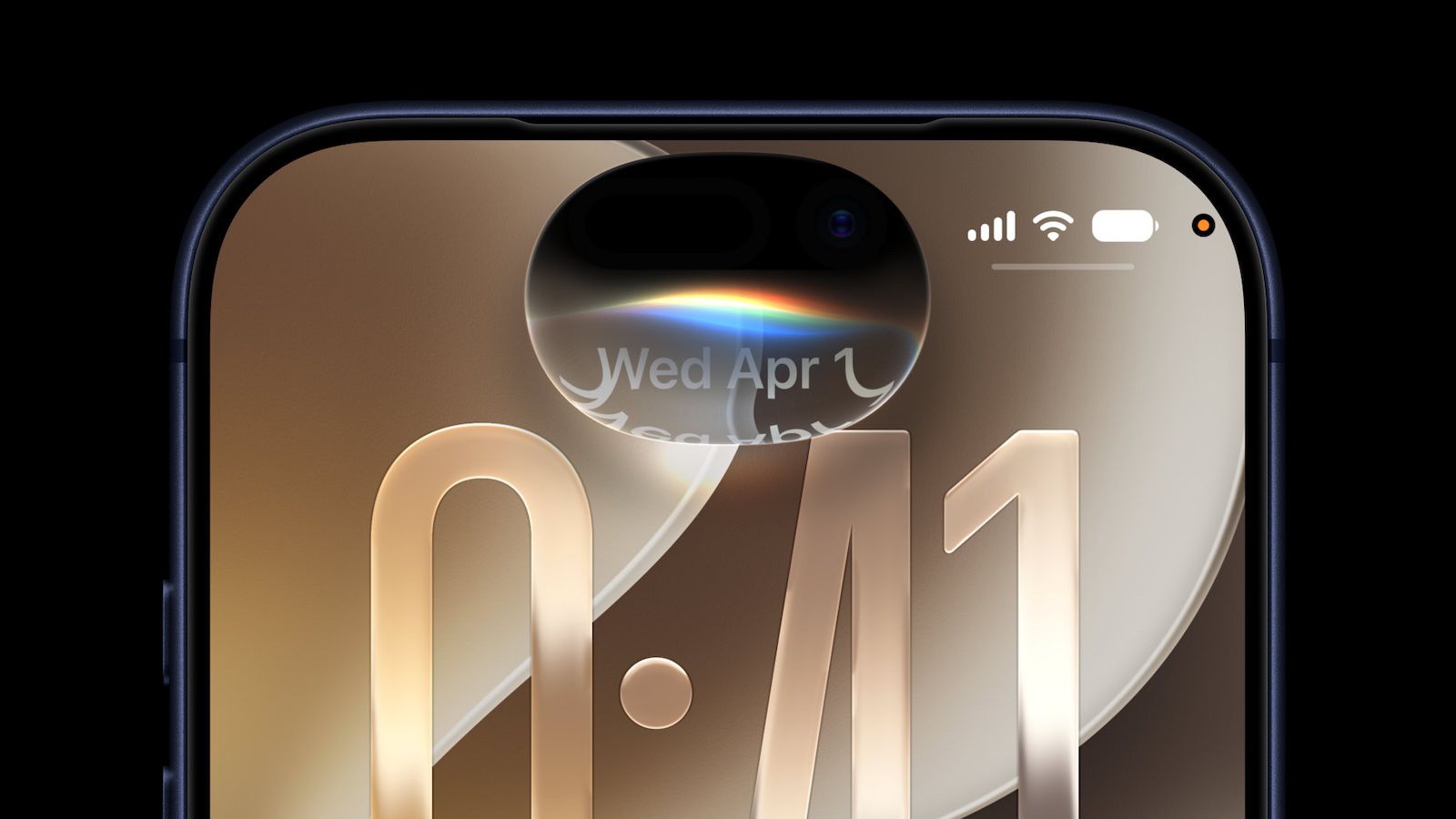
Apple Intelligence 관련 한국 공정거래위원회 조사
Apple이 한국에서 iPhone 16 광고와 관련하여 공식 조사를 받고 있습니다. 이 조사는 Apple Intelligence 기능의 가용성에 대해 소비자를 오도했다는 혐의를 받고 있습니다.
한국 공정거래위원회(FTC) 조사관들은 Apple 및 Apple 한국 법인을 검토 대상으로 넘겼습니다. 이들은 Genmoji, Image Playground, 그리고 Siri가 개인적인 맥락을 이해하고 화면 콘텐츠를 인식하는 능력 등 Apple Intelligence의 여러 기능이 광고된 대로 제공되지 않았다고 지적했습니다.
이러한 혐의의 핵심은 Apple이 어떤 기능이 사용 가능하며 나머지 기능은 언제 출시될지에 대해 충분히 설명했는지 여부입니다. 예를 들어, FTC 보고서는 Siri의 개인적인 맥락 이해 기능이 2025년 4월 초에 한국에서 제공될 것이라고 광고되었지만, 실제로는 약 18개월 지연된 2026년 10월에야 출시되었다고 언급했습니다.
연합뉴스 보도에 따르면, Apple은 기능 가용 시점에 대해 사전에 고지했다고 주장하며 조사관들의 결론에 이의를 제기했습니다. 위원회는 아직 최종 결정을 내리거나 벌금을 부과하지 않았습니다.
이 사건은 미국 및 Apple의 다른 주요 시장에서 Apple Intelligence 광고에 대한 유사한 불만이 제기된 후에 발생했습니다. 2025년 4월, 미국 전국 광고 심의 위원회(National Advertising Division)의 조사 개입 후, Apple은 Apple Intelligence 페이지에서 "지금 사용 가능"이라는 마케팅 문구를 삭제했습니다. 이 광고 감시 기관은 해당 문구가 페이지에 나열된 모든 기능이 사용 가능함을 암시하며, 단계별 출시를 설명하는 각주가 충분히 명확하지 않다고 판단했습니다. Apple은 이 결론에 동의하지 않았지만, 결국 권고를 따랐습니다.
Apple은 또한 2026년 5월, 2024년 9월 iPhone 16 출시 당시 Apple Intelligence 및 Siri 기능의 가용성에 대해 구매자들을 오도했다는 혐의로 제기된 미국 집단 소송을 2억 5천만 달러(현재 환율로 약 16억 7천만 위안)에 합의하기로 동의했습니다.
총평
Apple은 한국에서 Apple Intelligence 기능의 가용성에 대한 광고가 소비자를 오도했다는 혐의로 공정거래위원회 조사를 받고 있습니다. Genmoji, Image Playground, Siri 기능 등이 광고된 시점보다 늦게 출시되었거나 제대로 작동하지 않는다는 지적이 제기되었습니다. 이와 유사한 불만은 미국에서도 발생했으며, Apple은 미국에서 관련 마케팅 문구를 수정하고 집단 소송에 합의한 바 있습니다.
监管调查与指控焦点
- 韩国公平交易委员会(FTC)已对 Apple 及 Apple 韩国公司展开正式调查,核心指控是其 iPhone 16 的广告宣传误导了消费者关于 "Apple Intelligence" 功能的实际可用性。
- 调查人员指出,Apple 未能充分说明哪些功能已经可用,以及其余功能的具体上线时间。
被质疑的功能与时间差
- 指控涉及的具体未兑现功能包括:Genmoji、图像游乐场(Image Playground),以及 Siri 理解个人上下文和识别屏幕内容的能力。
- FTC 报告指出,Siri 的个人上下文能力曾宣传于 2025 年 4 月初在韩国提供,但实际上线时间推迟至 2026 年 10 月,延迟了约 18 个月。
国际市场监管行动
- **美国方面:** 在 2025 年 4 月,在美国全国广告审查委员会(National Advertising Division)介入调查后,Apple 从其 Apple Intelligence 页面撤下了“现已可用”的营销表述。该机构认为措辞暗示所有功能均可使用,而脚注说明不够清晰。
- **美国集体诉讼:** Apple 在 2026 年 5 月同意以 2.5 亿美元和解了一起美国集体诉讼,该诉讼指控其在 2024 年 9 月 iPhone 16 发布时误导了购买者关于 Apple Intelligence 和 Siri 功能的可用性。
公司回应与法律进展
- Apple 对韩国调查人员的结论提出了异议,声称公司已就功能可用时间做出了提前告知。
- 目前,委员会尚未做出最终裁定或处以罚款。
总结
近期,Apple 在多个主要市场(包括韩国和美国)面临监管机构关于其 "Apple Intelligence" 广告宣传的调查与质疑。核心问题在于公司是否在推广 iPhone 16 时,对新功能的可用性、上线时间以及功能范围进行了误导或描述不清晰。这些事件促使 Apple 在国际上采取了调整营销措辞和进行法律和解等行动。
Apple Intelligenceに関する韓国の公正取引委員会による調査
Appleが、iPhone 16の広告に関して韓国で公式な調査を受けています。この調査は、Apple Intelligence機能の利用可能性について消費者を誤解させた(虚偽の広告を行った)という疑いが焦点となっています。
韓国の公正取引委員会(FTC)の調査官は、AppleおよびApple韓国法人を調査対象として指定しました。彼らは、Genmoji、Image Playground、そしてSiriが個人の文脈を理解し、画面上のコンテンツを認識する能力など、Apple Intelligenceの複数の機能が広告された通りに提供されていないと指摘しています。
この疑惑の中心は、Appleがどの機能が利用可能であり、残りの機能がいつリリースされるのかについて、消費者に十分な説明を行ったかどうかという点です。例えば、FTCの報告書によると、Siriの個人的な文脈理解機能は2025年4月上旬に韓国で提供されると広告されていましたが、実際には約18ヶ月遅れて2026年10月にリリースされたと指摘されています。
一方、Apple側は、機能の利用可能時期については事前に通知したとして、調査官たちの結論に異議を唱えています。委員会はまだ最終決定を下したり、罰金を科したりはしていません。
国際的な類似事例と市場での対応
この件は、Apple Intelligenceの広告に関して米国やその他の主要市場で同様の苦情が提起された後に発生しました。2025年4月、米国の全国広告審査委員会(National Advertising Division)による調査介入後、AppleはApple Intelligenceのページから「現在利用可能」というマーケティング文言を削除しました。この広告監視機関は、当該文言がページに記載されているすべての機能が利用可能であることを示唆しており、段階的なリリースについて説明する脚注が十分明確ではないと判断しました。Appleはこの結論に同意しませんでしたが、最終的に勧告に従いました。
さらに、Appleは2026年5月、2024年9月のiPhone 16発売時におけるApple IntelligenceおよびSiri機能の利用可能性について購入者を誤解させたとして提起された米国の集団訴訟に対し、2億5,000万ドル(現在の為替レートで約16億7,000万元)での和解に合意しました。
まとめ
Appleは現在、韓国の公正取引委員会から、Apple Intelligence機能の利用可能性に関する広告が消費者を誤解させたとして調査を受けています。GenmojiやSiriなどの機能について、広告された時期よりもリリースが遅れた、または期待通りに動作しないという指摘がなされています。
この問題は米国でも同様の懸念が生じており、Appleは米国内で関連するマーケティング文言を修正し、集団訴訟での和解も行っています。これは、新機能の段階的なリリースと広告表現の整合性が大きな焦点となっていることを示しています。
KFTC Investigation into Apple Intelligence Advertising
Apple is currently under official investigation in South Korea regarding advertisements for the iPhone 16, specifically facing allegations of misleading consumers about the availability of its Apple Intelligence features.
Investigators from the Korea Fair Trade Commission (KFTC) have reviewed Apple and Apple Korea. They pointed out that several advertised Apple Intelligence features—including Genmoji, Image Playground, and Siri's ability to understand personal context and recognize screen content—were not available as promoted in the advertisements.
The core of these allegations revolves around whether Apple sufficiently explained which features were usable and when the remaining functions would be released. For instance, the KFTC report mentioned that while Siri’s feature for understanding personal context was advertised as being available in Korea in early April 2025, it was allegedly delayed until October 2026, approximately an 18-month delay.
According to Yonhap News Agency reports, Apple has disputed the investigators' conclusions, asserting that they provided prior notice regarding the feature availability timelines. The Commission has not yet issued a final decision or imposed any fines.
International Context and Related Legal Actions
This incident follows similar complaints raised in the US and other major markets concerning Apple Intelligence advertising. In April 2025, following an inquiry by the U.S. National Advertising Division (NAD), Apple removed the marketing phrase "Available Now" from its Apple Intelligence page. The ad monitoring body determined that this phrasing implied all listed features were immediately available, and that the footnotes explaining phased rollouts were not sufficiently clear.
Although Apple disagreed with this conclusion, it ultimately complied with the recommendation. Furthermore, in May 2026, Apple agreed to settle a U.S. class action lawsuit—filed over misleading buyers regarding the availability of Apple Intelligence and Siri features during the September 2024 iPhone 16 launch—for $250 million.
Summary
Apple is facing an investigation by the Korea Fair Trade Commission (KFTC) for allegedly misleading Korean consumers about the availability of its Apple Intelligence features, such as Genmoji and Siri's advanced context understanding. The KFTC noted discrepancies between advertised launch dates and actual release timelines. These issues mirror similar complaints in the U.S., where Apple previously removed "Available Now" marketing copy following an NAD inquiry and settled a related class-action lawsuit.