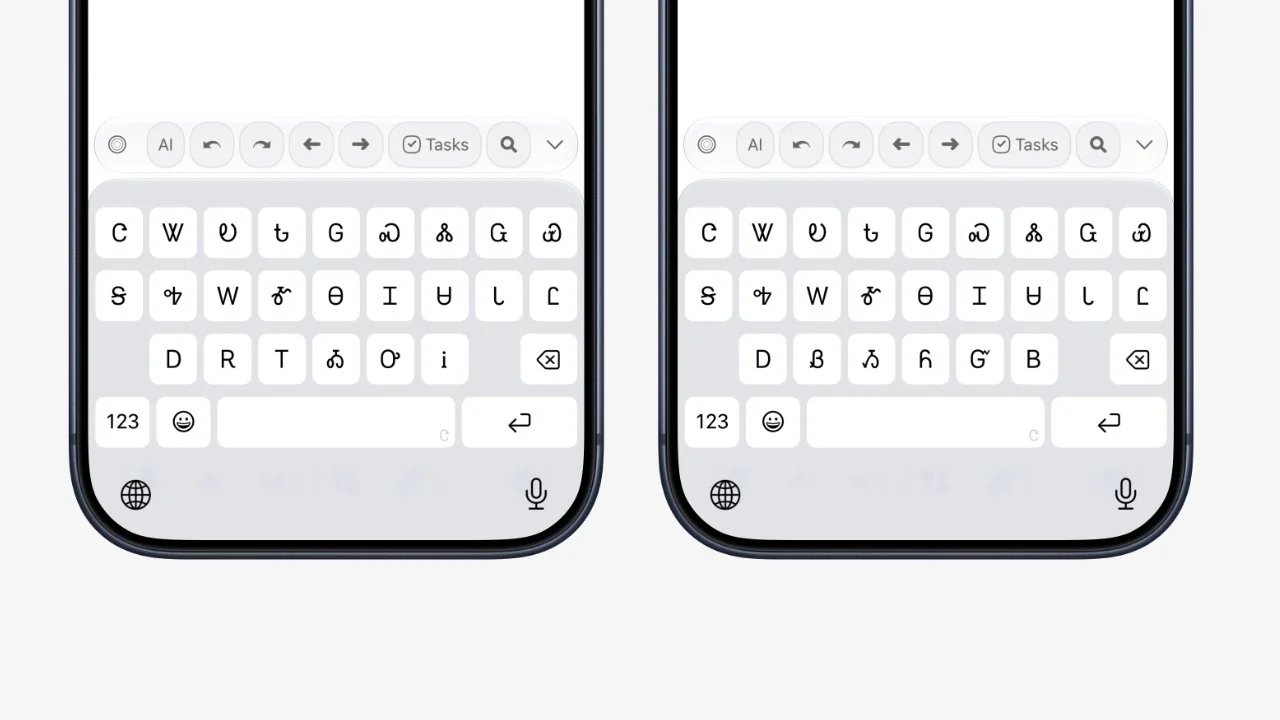
Apple, iOS 27에서 원주민 언어 지원 확대
IT之家 10월 13일 소식, 《와이어드》는 어제(10월 12일) 블로그 게시물을 통해 Apple이 iOS 27 시스템의 공식 입력기에서 원주민 언어 지원을 더욱 확장하여 블랙풋어(Blackfoot), 코만치어(Comanche), 북동 크리어(Northern East Cree)를 새로 지원한다고 보도했습니다.
게시물은 현재 iPhone 18 Pro 등의 모델이 200가지 이상의 언어 입력을 지원하며, Apple이 원주민 커뮤니티와의 장기적인 협력을 통해 체로키어와 같은 멸종 위기 언어에 키보드, 문자 및 입력 경험 지원을 제공하고 있다고 지적했습니다.
Apple은 체로키족(Cherokee Nation)과의 협력을 심화했으며, 체로키어는 2010년 iOS에 도입되어 최초로 지원되는 미국 원주민 언어가 되었습니다. 체로키족은 현재 약 1,500명의 활성 사용자가 있으며, 대부분 70세 이상으로 커뮤니티는 몰입형 수업을 통해 제2언어 학습자를 양성하고 있습니다.
IT之家가 공개 자료를 확인한 결과, 체로키족은 미국에서 가장 큰 연방 승인 원주민 부족 중 하나이자 체로키인의 주권 정부이며, 본부는 오클라호마주 타흘레콰(Tahlequah)에 있습니다. 이 부족은 문화, 언어 부흥 및 디지털 기술 협력 분야에서 높은 가시성을 가지며, 체로키어는 iOS 키보드에 처음으로 도입된 미국 원주민 언어이기도 합니다.
언어 지원을 위한 복잡한 과정
Apple은 원주민 언어에 키보드를 적용하는 것이 단순한 번역이 아니며, 이 작업은 수년간의 연구와 커뮤니티 구성원의 참여가 필요하고, 문자 인코딩, 글꼴 지원, 정서법 및 키보드 레이아웃 등 여러 단계를 포함한다고 밝혔습니다. 목표는 언어 사용 시나리오를 젊은 세대가 자주 사용하는 휴대폰 화면으로 확장하는 것입니다.
적용 과정은 유니코드 표준에서 시작됩니다. 문자는 휴대폰 화면에 입력되거나 표시되기 전에 먼저 이 표준에 포함되어야 합니다. 유니코드는 현재 157,000개 이상의 문자를 수록하고 있으며, 한 언어의 문자 세트를 제안, 검증 및 인코딩하는 데는 일반적으로 3~5년이 걸립니다.
문자 인코딩이 완료되면 Apple과 Google과 같은 플랫폼은 글꼴 지원을 제공해야 합니다. 그렇지 않으면 문자가 빈 사각형, 즉 "두부"로 표시됩니다. 그 후 양측은 정서법을 결정해야 합니다. 일부 언어는 표준화된 쓰기 규칙이 부족하여 사용자들이 과거에 물음표와 같은 기호로 후두음과 같은 특수 음성을 대체했습니다.
키보드 레이아웃 맞춤화
키보드 레이아웃 측면에서 Apple은 다양한 언어에 맞춰 심층적으로 맞춤화했습니다. 예를 들어, 네즈퍼스어는 대문자를 사용하지 않으므로 Apple은 Shift 키를 악센트 부호가 있는 보조 문자 레이어를 표시하도록 변경했습니다. 체로키어는 음절 문자를 사용하므로 Apple은 키보드 하단에 적응형 모음 키를 추가하여 자음을 입력한 후 조합 가능한 모음을 자동으로 표시합니다.
총평
Apple은 iOS 27에서 블랙풋어, 코만치어, 북동 크리어 등 원주민 언어 지원을 확대하며, 체로키어와의 협력을 심화했습니다. 이는 단순한 번역을 넘어 문자 인코딩, 글꼴 지원, 정서법 및 키보드 레이아웃 등 복잡한 과정을 거쳐 이루어지며, 특히 멸종 위기 언어의 디지털 활성화를 목표로 합니다. Apple은 각 언어의 특성을 반영한 맞춤형 키보드 레이아웃을 제공하여 젊은 세대의 언어 사용을 장려하고 있습니다.
iOS系统语言支持升级
- Apple公司宣布,在 iOS 27 系统官方输入法中,进一步扩展了对原住民语言的支持。
- 新增支持的语言包括黑脚语(Blackfoot)、科曼奇语(Comanche)和东北克里语(Northern East Cree)。
原住民语言的深度合作与覆盖范围
- 目前 iPhone 18 Pro 等机型已支持超过 200 种语言输入。
- Apple公司通过与原住民社区长期协作,致力于为切罗基语等濒危语言提供键盘、字符和完整的输入体验支持。
- 切罗基族是美国规模最大的联邦承认原住民族之一,其语言于 2010 年首次进入 iOS 系统,成为首个获支持的美国原住民语言。
技术适配流程与标准要求
文章指出,为原住民语言适配键盘并非简单的翻译工作,它涉及多个复杂的环节,包括字符编码、字体支持、正字法和键盘布局等。
- **Unicode 标准:** 任何字符必须首先被纳入 Unicode 标准才能在手机上显示或输入。目前 Unicode 已收录超过 157,000 个字符,而提出并验证一种语言的字符集通常需要 3 至 5 年时间。
- **平台支持:** 除了Unicode标准外,Apple和谷歌等平台还需提供字体支持;否则,无法显示的字符将显示为“豆腐块”(空方框)。
定制化输入体验细节
- **切罗基语(Cherokee):** 该语言采用音节文字,Apple在键盘底部加入了自适应元音键,用户输入辅音后可自动显示组合的元音。
- **内兹珀斯语(Nez Perce):** 针对该语言不使用大写字母的特点,Apple将 Shift 键修改为显示带重音符号的辅助字符层。
总结
Apple公司在 iOS 27 中大幅扩展了原住民语言的支持范围,新增支持黑脚语、科曼奇语和东北克里语等多种濒危语言。这一举措体现了科技巨头对文化多样性的深度承诺,其技术实现不仅涉及简单的输入法更新,更需要跨越Unicode标准、字体编码以及定制化键盘布局等多方面的复杂系统工程。
Apple、iOS 27で先住民言語のサポートを拡大
IT之家が10月13日に報じたところによると、『Wired』は前日(10月12日)のブログ投稿を通じて、AppleがiOS 27システムにおいて、公式入力機能での先住民言語サポートをさらに拡充し、ブラックフット語(Blackfoot)、コマンチ語(Comanche)、北東クリー語(Northern East Cree)を新たに対応すると報じました。
同投稿は、現在iPhone 18 Proなどのモデルが200以上の言語入力に対応していることに触れつつ、Appleが先住民コミュニティと長期的な協力関係を結び、チェロキー語のような絶滅危惧言語に対し、キーボード、文字、および入力体験のサポートを提供している点を指摘しています。
Appleはチェロキー族(Cherokee Nation)との協力を深めており、チェロキー語は2010年にiOSに導入され、史上初めてサポートされたアメリカ先住民言語となりました。現在、このコミュニティには約1,500人のアクティブユーザーがおり、その多くは70歳以上です。彼らは没入型クラスを通じて第二言語学習者を育成しています。
IT之家が入手した資料によると、チェロキー族はアメリカ合衆国で最大級の連邦承認先住民部族の一つであり、独自の主権政府を営んでおり、本部はオクラホマ州タレクアにあります。この部族は文化や言語復興、デジタル技術協力の分野で高い注目を集めており、チェロキー語はiOSキーボードに初めて導入されたアメリカ先住民言語でもあります。
言語サポートを実現する複雑なプロセス
Appleは、先住民言語にキーボードを適用することは単なる翻訳作業ではなく、長年にわたる研究とコミュニティメンバーの参加が必要であり、文字エンコーディング、フォントサポート、正書法(orthography)、およびキーボードレイアウトなど、複数の段階を含む複雑なプロセスであると説明しています。その目標は、言語使用のシナリオを若い世代が日常的に利用するスマートフォン画面に広げることです。
この適用プロセスはUnicode標準から始まります。文字は、携帯電話の画面に入力または表示される前に、まずこの標準に含まれていなければなりません。Unicodeは現在157,000以上の文字を収録しており、一つの言語の文字セットを提案し、検証し、エンコードするまでには通常3〜5年かかります。
文字エンコーディングが完了した後、AppleやGoogleのようなプラットフォームはフォントサポートを提供する必要があります。さもなければ、その文字は空の四角形(「豆腐」)として表示されてしまいます。その後、両社は正書法を決定しなければなりません。一部の言語では標準化された書き方が不足しているため、ユーザーが過去に疑問符などの記号で喉音のような特殊な音声を代替して使用するケースもありました。
キーボードレイアウトのカスタマイズ
キーボードレイアウトに関して、Appleは多様な言語に合わせて深くカスタマイズを行っています。例えば、ネズパーセ語(Nezperce)では大文字を使用しないため、AppleはShiftキーをアクセント記号付きの補助文字レイヤーを表示するように変更しました。チェロキー語は音節文字を使用するため、Appleはキーボードの下部に適応型母音キーを追加し、子音を入力した後に組み合わせ可能な母音が自動的に表示される仕組みを採用しています。
まとめ
AppleはiOS 27において、ブラックフット語やコマンチ語など先住民言語のサポートを拡大すると発表しました。この取り組みは単なる翻訳に留まらず、文字エンコーディング、フォントサポート、正書法、キーボードレイアウトといった複雑な技術的プロセスを経て実現されています。特に絶滅危惧言語のデジタル活性化を目指し、各言語の特性を反映したカスタムキーボードを提供することで、若い世代の言語使用を積極的に促進しています。
Apple Expands Indigenous Language Support in iOS 27
According to a report from Wired published on October 12, Apple is expanding support for indigenous languages within the official input system of iOS 27. The update will newly support Blackfoot, Comanche, and Northern East Cree.
The article notes that current models, such as the iPhone 18 Pro, already support over 200 language inputs. Furthermore, Apple is providing keyboard, character, and input experience support for endangered languages, including Cherokee, through long-term collaboration with indigenous communities.
Apple has deepened its cooperation with the Cherokee Nation. Cherokee was first introduced to iOS in 2010, making it the first American indigenous language supported by the operating system. The Cherokee Nation currently has approximately 1,500 active users, and the community is training second-language learners through immersive classes.
Reviewing publicly available data, the Cherokee Nation is one of the largest federally recognized indigenous tribes in the U.S. and a sovereign government whose headquarters are located in Tahlequah, Oklahoma. The tribe has high visibility in cultural revival, language preservation, and digital technology cooperation, and Cherokee remains the first American indigenous language introduced to the iOS keyboard.
The Complex Process of Language Support
Apple stated that applying a keyboard to an indigenous language is not merely a matter of translation; it requires years of research and community participation. This process involves multiple stages, including character encoding, font support, orthography, and keyboard layout.
The goal is to expand the language usage scenario onto mobile phone screens, which is frequently used by younger generations.
The application process begins with the Unicode standard. Characters must first be included in this standard before they can be typed or displayed on a mobile screen. Unicode currently contains over 157,000 characters, and proposing, verifying, and encoding the character set for a single language typically takes three to five years.
Once character encoding is complete, platforms like Apple and Google must provide font support. Otherwise, the characters will display as empty boxes, often referred to as "tofu." Following this, both parties must determine the orthography. Some languages lack standardized writing rules, leading users in the past to substitute special phonemes with symbols like question marks.
Customizing Keyboard Layouts
In terms of keyboard layouts, Apple has provided deep customization tailored for various languages. For instance, since Nez Perce does not use capital letters, Apple modified the Shift key to display an auxiliary character layer containing accent marks. Because Cherokee uses syllabic characters, Apple added adaptive vowel keys at the bottom of the keyboard, which automatically display combinable vowels after a consonant is entered.
Summary
Apple continues its commitment to indigenous languages by expanding support for tongues like Blackfoot, Comanche, and Northern East Cree in iOS 27, while deepening its collaboration with Cherokee. This effort goes far beyond simple translation, involving complex processes such as character encoding, font support, orthography determination, and customized keyboard layouts. By providing tailored input methods that reflect the unique characteristics of each language, Apple aims to promote digital revitalization for endangered languages and encourage younger generations' use.