디자인
IT之家 10월 1일 보도에 따르면, IT 매체 9to5Mac은 어제(9월 30일) 블로그 게시물을 통해 Apple이 iPhone 18 Pro 및 iPhone 18 Pro Max 모델에서 Face ID 모듈을 디스플레이 아래에 내장할 것이라고 보도했습니다. 이는 Apple이 "하나의 유리" iPhone 디자인 비전을 향한 중요한 단계가 될 것입니다.
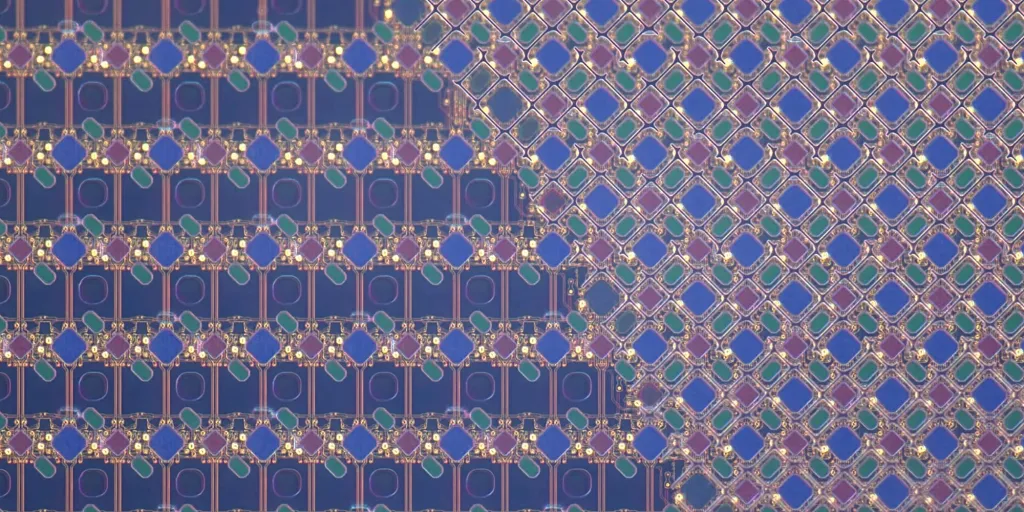
사용자들은 iPhone 18 Pro, iPhone 18 Pro Max 모델을 일상적으로 사용할 때, 멀리서 보거나 가까이서 보거나, 사진을 찍거나 심지어 접사 촬영을 할 때도 디스플레이 아래에 숨겨진 센서를 전혀 감지할 수 없을 것입니다. 현미경으로만 픽셀 배열의 차이를 볼 수 있습니다.
기술 구현
해당 매체는 기술 구현을 적외선 통과, 밝기 보정, 필터로 가림의 세 가지 측면으로 요약했습니다.
Face ID는 적외선 송수신을 통해 얼굴 인식을 수행하는데, 일반 디스플레이의 픽셀은 조밀하게 배열되어 있어 적외선이 통과하기 어렵습니다. Apple 엔지니어들은 TrueDepth 모듈 바로 위 디스플레이 영역의 픽셀 간격을 의도적으로 넓혀 픽셀 레이아웃을 재설계했습니다.
이러한 "틈새"는 평소에는 사람의 눈에 보이지 않지만, 적외선은 이를 통과하여 송수신 작업을 완료할 수 있습니다. 이 영역의 픽셀 밀도는 50% 감소하여, 원래 한 줄에 10개의 벽돌이 있던 것이 이제 5개로 바뀌어 적외선이 통과할 수 있는 공간을 확보한 것과 같습니다.
픽셀 밀도가 절반으로 줄어들면 이 영역이 더 어둡게 보여 디스플레이에 "패치"가 있는 것처럼 보일 수 있다는 문제가 발생합니다. Apple은 이를 위해 로컬 밝기 향상 솔루션을 채택하여, 드라이버 칩을 통해 해당 영역의 백라이트 또는 픽셀 발광 강도를 높여 사람의 눈에 인식되는 밝기가 주변과 일치하도록 했습니다.
픽셀 간격이 넓어지고 밝기가 향상되더라도, 가시광선이 틈새로 새어 나가 디스플레이 색상이나 대비가 비정상적으로 나타날 수 있다는 잠재적인 위험이 있습니다. Apple은 디스플레이 내부에 적외선 필터를 통합했는데, 이는 "단방향 문"과 유사하게 적외선만 통과시키고 가시광선 누출을 차단하는 역할을 합니다.
총평
IT之家 주: "하나의 유리"는 Apple의 전 최고 디자인 책임자 조너선 아이브(Jony Ive)가 제시한 iPhone의 궁극적인 디자인 비전입니다. 미래의 iPhone은 구멍이나 틈새가 없는 하나의 유리로 구성되어야 하며, 모든 센서, 카메라, 스피커는 유리 아래에 완전히 숨겨져 사용자에게는 순수하고 연속적인 유리 표면만 보여야 한다는 것입니다.
이러한 개념은 iPhone 초기 디자인 논의로 거슬러 올라갑니다. 아이브는 어떤 구멍, 베젤, 물리적 버튼도 "순수한 형태"를 손상시킨다고 생각했습니다. 이상적인 상태에서 iPhone은 인공적인 절단 흔적이나 기능적 구멍 없이 하나의 유리에서 "자라난" 장치와 같아야 합니다.
核心功能与设计目标
- 根据科技媒体 9to5Mac 的报道,Apple 计划在 iPhone 18 Pro 和 iPhone 18 Pro Max 两款机型上实现 Face ID(面容 ID)模组嵌入屏幕下方。
- 这一技术是 Apple 实现“整块玻璃”iPhone 设计愿景的关键一步,目标是让用户无法察觉到传感器存在,即使是在远距离观察或拍照时也是如此。
Face ID 技术的工程化解决方案
为解决红外光穿透和像素密度的问题,Apple 在技术实现上采取了三项关键措施:
- 增加像素间隙:重新设计 TrueDepth 模组正上方屏幕区域的像素布局,刻意加大像素之间的间隙。该区域的像素密度降低了 50%,为红外光发射和接收留出通道。
- 局部提亮方案:针对像素密度减半可能导致的“补丁”感,Apple 将采用局部提亮方案,通过驱动芯片提高该区域的背光或像素发光强度,以保证人眼感知亮度与周围一致。
- 红外滤光片集成:在屏幕内部集成了红外滤光片,作用类似“单向门”,只允许红外光通过完成面部识别任务,同时有效阻挡可见光泄露,防止色彩或对比度异常。
Apple 的“整块玻璃”设计理念
“整块玻璃”(Full Glass)是 Apple 前首席设计官乔纳森 · 艾维(Jony Ive)提出的终极设计愿景,其核心在于:
- 未来的 iPhone 应由一整块无开孔、无缝隙的玻璃构成。
- 所有传感器、摄像头和扬声器等功能部件都必须完全隐藏在玻璃下方,用户看到的只有纯粹、连续的玻璃表面。
- 这一理念认为任何开孔、边框或物理按键都是对设备“纯粹形态”的破坏。
总结
Apple 计划通过将 Face ID 模组嵌入屏幕下方的技术革新,为 iPhone 18 Pro 和 iPhone 18 Pro Max 实现革命性的“整块玻璃”设计。该方案通过调整像素布局、局部提亮和集成红外滤光片等复杂工程手段,解决了传感器可见性和功能兼容性之间的矛盾,迈向了无缝隙的未来形态。
デザイン
IT之家が10月1日に報じたところによると、ITメディアの9to5Macは昨日(9月30日)のブログ記事で、AppleがiPhone 18 ProおよびiPhone 18 Pro Maxモデルにおいて、Face IDモジュールをディスプレイの下に内蔵する計画であると報道しました。これは、Appleが目指す「一枚ガラス」のiPhoneデザインビジョンに向けた重要な一歩となります。
ユーザーは、iPhone 18 ProやiPhone 18 Pro Maxといったモデルを日常的に使用する際、遠くから見ても近くから見ても、写真撮影時や接写撮影時であっても、ディスプレイの下に隠されたセンサーを一切感知することはできないとされています。肉眼では確認できず、顕微鏡でピクセル配列の違いを見る程度となるでしょう。
技術的実現方法
同メディアは、この技術的な実現について、「赤外線透過」「輝度補正」「フィルターによる遮蔽」の三つの側面から解説しています。
Face IDは赤外線の送受信を通じて顔認識を行います。一般的なディスプレイのピクセルは密に配列されているため、赤外線が通りにくいという問題がありました。Appleのエンジニアたちは、TrueDepthモジュール(フェイスID関連技術)の真上にあるディスプレイ領域のピクセル間隔を意図的に広げ、ピクセルのレイアウト自体を再設計しました。
この「隙間」は通常の人間の目には見えませんが、赤外線はこの隙間を通過し、送受信作業を完了させることが可能です。この領域のピクセル密度が50%低下したことで、以前は1行に10個のレンガがあったのが5個になり、赤外線が通り抜ける空間を確保した形となります。
しかし、ピクセル密度が半減すると、この領域が暗く見え、ディスプレイに「パッチ」があるように見えるという問題が発生する可能性があります。Appleはこの問題を解決するため、「ローカル輝度向上ソリューション」を採用しました。ドライバーチップを通じて、該当領域のバックライトまたはピクセルの発光強度を上げることで、人間の目に見える明るさが周囲と一致するように調整したのです。
さらに、ピクセル間隔が広がり、輝度が向上しても、可視光線が隙間から漏れ出し、ディスプレイの色やコントラストが不自然になるという潜在的なリスクがあります。Appleはこれに対し、ディスプレイ内部に赤外線フィルターを統合しました。これは「一方通行のドア」のような役割を果たし、赤外線のみを透過させつつ、可視光線の漏出を遮断する仕組みです。
コンセプトとビジョン
IT之家より:この「一枚ガラス(One Glass)」とは、Appleの元最高デザイン責任者であるジョニー・アイブが提唱したiPhoneの究極的なデザインビジョンです。未来のiPhoneは、穴や隙間がなく、すべてが一体となった単一のガラスで構成されるべきであり、すべてのセンサー、カメラ、スピーカーといった要素はガラスの下に完全に隠され、ユーザーには純粋で連続的なガラス表面だけを見せる必要があるというものです。
この概念は、iPhone初期のデザイン議論にまで遡ります。アイブは、どのような穴、ベゼル、物理的なボタンも「純粋な形態」を損なうと考えました。理想の状態において、iPhoneは人工的な切り痕や機能的な穴を持たず、単一のガラスから「生えている」かのようなデバイスであるべきだと提唱していたのです。
まとめ
Appleが目指すのは、「一枚ガラス」という究極のデザインビジョンであり、iPhone 18 Pro/Pro MaxではFace IDモジュールをディスプレイの下に内蔵することでこれを実現しようとしています。技術的には、ピクセル密度を調整して赤外線の通り道を作り出しつつ、輝度補正と特殊なフィルターを組み合わせることで、可視光の漏れや目立ちすぎるパッチ感を克服することが鍵となります。
Design
According to a report from IT之家 on October 1st, the tech media outlet 9to5Mac published a blog post yesterday (September 30th) claiming that Apple plans to embed the Face ID module beneath the display on the iPhone 18 Pro and iPhone 18 Pro Max models. This would represent a significant step toward Apple's vision of an "all-glass" iPhone design.
Users would be unable to detect any hidden sensors under the display when using the iPhone 18 Pro or iPhone 18 Pro Max in daily life, whether viewed from far away, up close, photographed, or even macro-shot. The difference in pixel arrangement would only be visible under a microscope.
Technical Implementation
The article summarized the technical implementation across three areas: infrared transmission, brightness compensation, and filtering.
Face ID performs facial recognition using infrared transmission and reception. Because general display pixels are densely arranged, it is difficult for infrared light to pass through them. Apple engineers reportedly redesigned the pixel layout by intentionally increasing the spacing between pixels in the display area directly above the TrueDepth module.
These "gaps" are normally invisible to the human eye but allow infrared light to pass through, enabling transmission and reception tasks. The pixel density in this area is reduced by 50%, which is likened to changing from having 10 bricks in a line to only 5, thus securing space for infrared passage.
A drawback of halving the pixel density is that the area might appear darker, potentially looking like a "patch" on the display. To solve this, Apple adopted a local brightness enhancement solution, increasing the backlight or pixel emission intensity in that specific area via the driver chip so that the perceived brightness matches the surrounding areas.
Even with increased pixel spacing and enhanced brightness, there is a potential risk of visible light leaking through the gaps, which could cause abnormal display colors or contrast. Apple addressed this by integrating an infrared filter within the display itself. This acts like a "one-way door," allowing only infrared light to pass while blocking visible light leakage.
Overall Assessment
IT之家 notes that the "all-glass" concept is the ultimate design vision for the iPhone, previously presented by Apple's former Chief Design Officer, Jony Ive. The future iPhone must consist of a single sheet of glass with no holes or gaps; all sensors, cameras, and speakers must be completely hidden beneath the glass, presenting only a pure, continuous glass surface to the user.
This concept traces back to early design discussions for the iPhone. Ive believed that any hole, bezel, or physical button would compromise the "pure form." In an ideal state, the iPhone should appear as if it "grew" from a single sheet of glass without artificial cuts or functional openings.
Summary
The article reports on Apple's potential plan to integrate Face ID beneath the display on future iPhone models (iPhone 18 Pro/Pro Max), aiming for an "all-glass" design. Technically, this requires redesigning the pixel layout by increasing spacing and using a combination of local brightness enhancement and integrating an infrared filter to ensure function while maintaining visual continuity.