Huawei, AI 시대의 새로운 컴퓨팅 아키텍처 Peerium 발표
Huawei는 9월 17일 상하이에서 AI 시대의 새로운 컴퓨팅 아키텍처 Peerium을 발표했습니다. 이 아키텍처는 수백만 개의 프로세서가 하나의 컴퓨터처럼 협력하여 지속적으로 증가하는 AI 컴퓨팅 수요를 충족할 수 있다고 밝혔습니다.
Huawei는 Peerium 컴퓨팅 아키텍처가 중첩 병렬 처리, 통합 메모리 주소 지정 및 동등한 상호 연결을 기반으로 하여 수백만 개의 프로세서에 대한 강력한 확장성을 달성하고, 폰 노이만 단일 머신 아키텍처의 한계를 완전히 극복했다고 소개했습니다.
동시에 이 아키텍처는 Nested BSP(중첩 배치 동기 병렬 처리, 병렬 컴퓨팅 작업을 계층적으로 재귀적으로 구성하는 컴퓨팅 패러다임)를 제안하여 전통적인 튜링 패러다임의 한계를 돌파했습니다.
Huawei는 Peerium 아키텍처가 오랫동안 지속되어 온 마스터-슬레이브 아키텍처를 뒤집었다고 밝혔습니다. 폰 노이만 아키텍처는 컴퓨터가 프로그램 순서에 따라 실행되도록 요구하며, 연산 장치, 제어 장치, 저장 장치, 입출력 시스템이 각자의 역할을 수행하고 마스터-슬레이브 관계가 그 안에 관통합니다.
그중 링취(灵衢)는 Peerium 아키텍처를 구현하는 핵심 상호 연결 기술입니다. Huawei는 링취가 개방형 프로토콜을 기반으로 하며 CPU, NPU, 메모리, SSD, 네트워크 카드 및 스위치를 무한히 확장하여 연결하고 컴퓨팅, 스토리지 및 네트워크의 동등한 상호 연결을 실현한다고 소개했습니다.
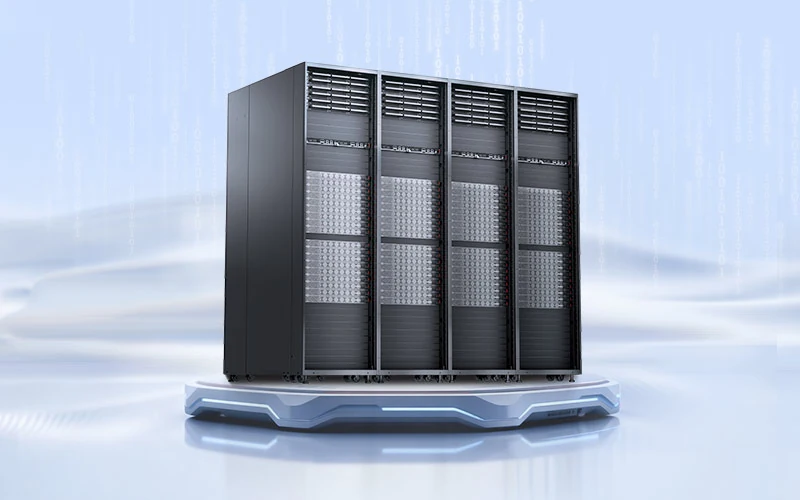
Atlas 950 슈퍼 노드는 Peerium 컴퓨팅 아키텍처의 첫 번째 제품입니다. Huawei는 25만 6천 개의 Atlas 950 슈퍼 노드 클러스터가 이미 배포 중이며, NPO 기반의 Atlas 960 시스템이 테스트 중이라고 밝혔습니다.
Huawei 순환 회장 쉬즈쥔(徐直军)은 "AI 시대에 Huawei는 개척한 Peerium 컴퓨팅 아키텍처를 기반으로 고객의 훈련 및 추론 요구를 충족하는 슈퍼 노드와 클러스터를 지속적으로 구축하여 컴퓨팅 파워를 어디에나, 지능을 모든 곳에 제공할 것입니다"라고 말했습니다.
IT之家는 논문 주소를 첨부했습니다: https://doi.org/10.48550/arXiv.2609.16787.
《Huawei 쉬즈쥔, HarmonyOS 생태계 임계점 언급: 1억 사용자 돌파는 핵분열 '임계 질량' 또는 비행기 이륙 '이륙 속도'와 같다》
《쉬즈쥔: Huawei는 국산 칩과 HarmonyOS 생태계로 국내 시장 출하 점유율 1위를 달성했다》
《Huawei 순환 회장 왕타오(汪涛): Huawei AI 전략의 핵심은 컴퓨팅 파워이며, 하드웨어 수익화를 고수한다》
《Huawei 순환 회장 왕타오: Ascend 960 칩은 2027년 1분기로 앞당겨 출시될 예정이며, 성능이 두 배로 향상될 것이다》
《Huawei, 업계 최초 NPO 기술을 적용한 슈퍼 노드 구축, 왕타오 openEuler가 중국 서버 운영체제 점유율 1위 달성 발표》
총평
Huawei는 AI 시대의 새로운 컴퓨팅 아키텍처 Peerium을 발표하며, 수백만 개의 프로세서가 하나의 컴퓨터처럼 협력하는 혁신적인 접근 방식을 제시했습니다. 이 아키텍처는 중첩 병렬 처리, 통합 메모리 주소 지정, 동등한 상호 연결을 통해 폰 노이만 아키텍처의 한계를 극복하고 강력한 확장성을 제공합니다. 특히 링취(灵衢) 기술은 컴퓨팅, 스토리지, 네트워크의 동등한 상호 연결을 가능하게 하며, Atlas 950 슈퍼 노드가 Peerium 아키텍처의 첫 번째 제품으로 소개되었습니다.
AI计算架构革新:Peerium发布
华为于9月17日在上海发布了全新AI时代的计算架构——Peerium。该架构旨在满足持续增长的AI算力需求,核心特点是实现百万级处理器协同工作。
技术突破与范式重构
- 打破冯·诺依曼限制: Peerium基于嵌套并行、统一内存寻址和平等互联设计,彻底突破了传统的冯·诺依曼单机主从架构限制。
- 计算模型升级: 提出了Nested BSP(嵌套批量同步并行),这是一种将并行计算任务分层递归组织的全新计算范式,超越了传统图灵范式的约束。
核心互联技术“灵衢”
实现Peerium架构的关键互联技术是“灵衢”。该技术基于开放协议,实现了计算、存储与网络的平等互联。
- 连接能力: 能够无限扩展地联接CPU、NPU、内存、SSD、网卡和交换机。
首代产品及集群部署
Peerium架构的首代落地产品为Atlas 950超节点,目前已进入大规模部署和测试阶段。
- 现有部署: 已有25.6万卡的Atlas 950超节点集群投入使用。
- 后续研发: 基于NPO的Atlas 960系统正在进行测试。
华为AI战略与生态布局
在算力基础设施方面,华为持续打造满足客户训练和推理需求的超节点和集群,致力于让“算力无处不在”。
- 芯片与架构: 强调以国产芯片、鸿蒙生态构建市场份额。
- 未来规划: 提及昇腾960芯片预计将在2027年Q1发布,实现性能翻番;并宣布openEuler成为中国服务器操作系统份额第一。
总结
华为通过推出Peerium计算架构和“灵衢”互联技术,旨在从底层架构上突破传统冯·诺依曼的限制,构建支持百万级处理器协同工作的超大规模AI算力集群。Atlas 950/960等产品线的迭代部署,结合鸿蒙生态和国产芯片战略,彰显了华为在AI时代基础设施领域的领先地位。
Huawei、AI時代の新コンピューティングアーキテクチャ「Peerium」を発表
華為技術(Huawei)は9月17日、上海において、AI時代に対応する新しいコンピューティングアーキテクチャ「Peerium」を発表しました。このアーキテクチャは、数百万個のプロセッサが単一のコンピュータのように協調して動作することで、継続的に増加するAIコンピューティング需要を満たすことができると説明されています。
Huaweiによると、Peeriumコンピューティングアーキテクチャは、「オーバーラップ並列処理」「統合メモリアドレッシング」「等価な相互接続」を基盤としています。これにより、数百万個のプロセッサに対して強力な拡張性を実現し、従来のフォン・ノイマン単一マシンアーキテクチャが抱える限界を完全に克服したと紹介されました。
さらに、このアーキテクチャは「Nested BSP(ネステッドバッチ同期並列処理)」という概念を提案しています。これは、コンピューティングタスクを階層的に再帰的に構成する新しいパラダイムであり、従来のチューリングパラダイムの限界を超えるものです。
フォン・ノイマン構造からの脱却
Huaweiは、Peeriumアーキテクチャが長年続いたマスター・スレーブ型のアーキテクチャを根本から覆したと強調しています。伝統的なフォン・ノイマンアーキテクチャでは、コンピュータがプログラムの順序に従って実行されることを前提とし、演算装置、制御装置、記憶装置、入出力システムがそれぞれ役割を果たし、その過程でマスター・スレーブの関係が貫かれています。
このPeeriumアーキテクチャを具現化する中核的な相互接続技術こそが「Lingqu(灵衢)」です。Huaweiは、Lingquがオープンなプロトコルに基づいており、CPU、NPU、メモリ、SSD、ネットワークカード、スイッチなどを無限に拡張して接続し、「コンピューティング」「ストレージ」「ネットワーク」の三要素間の等価な相互接続を実現すると紹介しました。
製品展開と今後の展望
Peeriumコンピューティングアーキテクチャを実装した最初の製品が「Atlas 950スーパーノード」として発表されました。Huaweiは、すでに25万6千のAtlas 950スーパーノードクラスターが配備されており、NPOベースのAtlas 960システムが現在テスト段階にあると明らかにしました。
華為技術の徐直軍(Xu Zhijun)循環会長は、「AI時代において、Huaweiは開拓したPeeriumコンピューティングアーキテクチャに基づき、顧客のトレーニングおよび推論の要求を満たすスーパーノードとクラスターを継続的に構築し、計算能力をあらゆる場所に、知性をすべての場所にも提供していく」と述べました。
まとめ
HuaweiはAI時代に対応するため、数百万個のプロセッサが協調する革新的なコンピューティングアーキテクチャ「Peerium」を発表しました。このアーキテクチャは、「オーバーラップ並列処理」「統合メモリアドレッシング」「等価な相互接続」を導入することで、従来のフォン・ノイマン構造の限界を超越し、強力な拡張性を実現します。特に「Lingqu」技術がコンピューティング、ストレージ、ネットワーク間の均質な連携を可能にし、最初の製品としてAtlas 950スーパーノードが投入されました。
Huawei Unveils Peerium, a New Computing Architecture for the AI Era
On September 17th in Shanghai, Huawei announced Peerium, a new computing architecture designed for the AI era. The architecture is stated to enable millions of processors to collaborate as if they were part of a single computer, meeting the continuously growing demand for AI computing power.
Huawei introduced the Peerium computing architecture, which achieves robust scalability for millions of processors by leveraging stacked parallel processing, integrated memory addressing, and equal interconnectivity. The company stated that this approach completely overcomes the limitations of the traditional Von Neumann single-machine architecture.
Furthermore, the architecture proposes Nested BSP (Nested Block Synchronization Parallel Processing), a computing paradigm that structures parallel computing tasks hierarchically and recursively, thereby breaking through the limits of traditional Turing paradigms.
Huawei stated that Peerium reverses the long-standing master-slave architecture. The Von Neumann architecture requires a computer to execute programs sequentially, with distinct units—the arithmetic logic unit (ALU), control unit, storage unit, and I/O system—each performing its role within a pervasive master-slave relationship.
Among these components, Lingqu (灵衢) is the core interconnectivity technology implementing the Peerium architecture. Huawei introduced Lingqu as being based on an open protocol that allows for infinite expansion and connection of CPU, NPU, memory, SSD, network cards, and switches, realizing equal interconnectivity among computing, storage, and networking.
The Atlas 950 super node is the first product utilizing the Peerium computing architecture. Huawei announced that 256,000 Atlas 950 super node clusters are already deployed, and NPO-based Atlas 960 systems are currently undergoing testing.
"In the AI era, Huawei will continue to build super nodes and clusters based on the pioneering Peerium computing architecture to meet customers' training and inference demands, providing computing power everywhere and intelligence everywhere," said Xu Zhijun, Vice Chairman of Huawei.
Related News
- IT之家 attached a paper link: https://doi.org/10.48550/arXiv.2609.16787.
- "Huawei's Xu Zhijun Mentions HarmonyOS Ecosystem Tipping Point: Exceeding 100 Million Users is Like Nuclear Fission 'Critical Mass' or Airplane Takeoff 'Takeoff Speed'"
- "Xu Zhijun: Huawei Achieves No. 1 Domestic Market Shipment Share with Domestic Chips and HarmonyOS Ecosystem"
- "Huawei Vice Chairman Wang Tao: Computing Power is the Core of Huawei's AI Strategy, Adhering to Hardware Monetization"
- "Huawei Vice Chairman Wang Tao: Ascend 960 Chip Scheduled for Accelerated Release in Q1 2027 with Doubled Performance"
- "Huawei Builds Super Node Applying Industry-First NPO Technology; Wang Tao Announces openEuler Achieves No. 1 Share in China Server OS Market"
Summary
Huawei announced Peerium, a revolutionary computing architecture for the AI era, designed to overcome the limitations of the traditional Von Neumann model. This architecture enables millions of processors to collaborate through stacked parallel processing and integrated memory addressing. Key components include Lingqu (灵衢) interconnectivity technology, which ensures equal connectivity across compute, storage, and networking, with the Atlas 950 super node serving as the initial product showcase.