서론
IT之家 9월 17일 보도에 따르면, CCTV 뉴스는 오늘 "반도체 저장 매체 블록 삭제 기술 지침", "전자 제품 재활용 과정의 정보 삭제 관리 지침", "모바일 스마트 단말 정보 삭제 기술 지침" 등 3가지 네트워크 보안 표준 실천 지침이 공식적으로 발표되었다고 전했습니다.
GB 46864-2025 "데이터 보안 기술 전자 제품 정보 삭제 기술 요구사항" 강제 국가 표준의 시행을 지원하고, 전자 제품 정보 삭제 활동을 지도 및 규범화하기 위해 중앙사이버공간관리판공실, 공업정보화부 등 부서의 지도하에 전국 네트워크 보안 표준 위원회 사무국은 30여 개 저장 칩 제조업체, 전자 제품 제조업체, 재활용 사업자 및 제3자 기관 등을 조직하여 3가지 네트워크 보안 표준 실천 지침을 제정했습니다.
IT之家는 3가지 지침의 주요 내용을 다음과 같이 요약했습니다.
반도체 저장 매체 블록 삭제 기술 지침
"반도체 저장 매체 블록 삭제 기술 지침"은 반도체 저장 매체 블록 삭제 기술의 구현 방법과 구체적인 작동 명령을 명확히 하며, 반도체 저장 매체 제조업체, 전자 제품 제조업체 등이 블록 삭제 명령을 적용, 호출 및 검증하는 데 적합합니다.
초안 작성 기관:
- 중국전자기술표준화연구원
- Yangtze Memory Technologies Co., Ltd.
- Shenzhen Longsys Electronics Co., Ltd.
- GigaDevice Semiconductor Inc.
- Huawei Terminal Co., Ltd.
- Honor Terminal Co., Ltd.
- Beijing Xiaomi Mobile Software Co., Ltd.
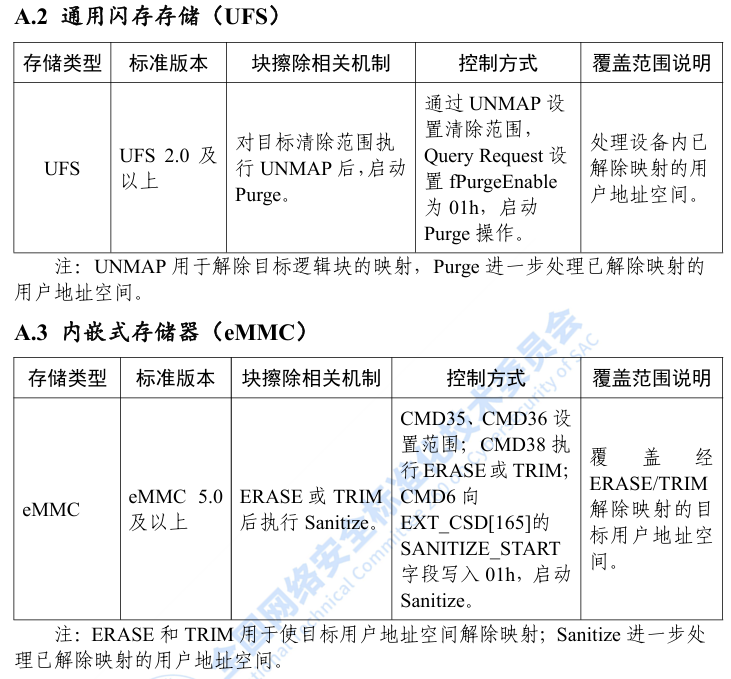
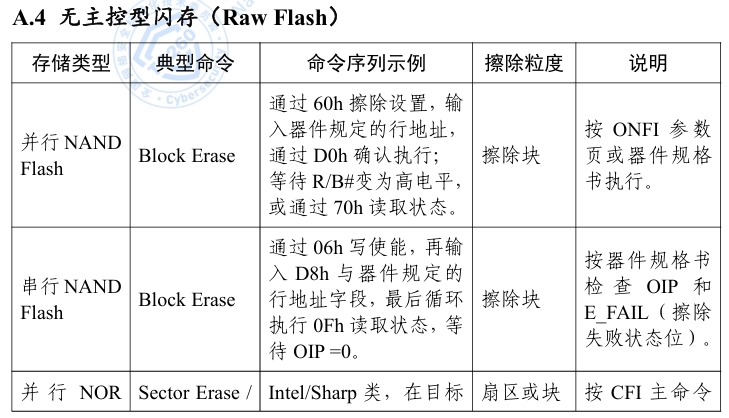
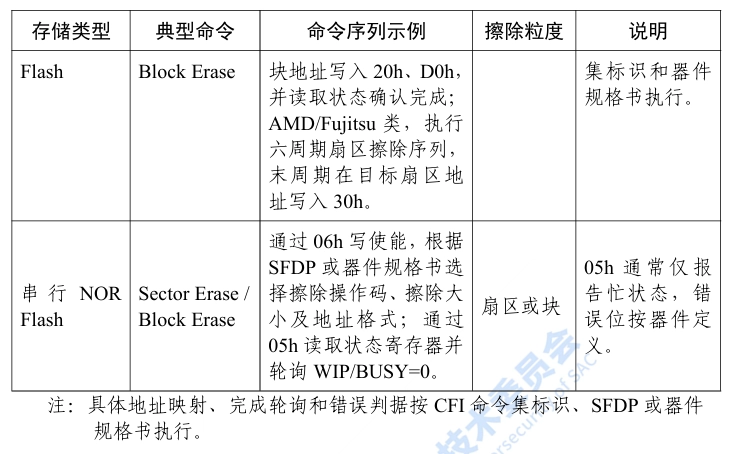
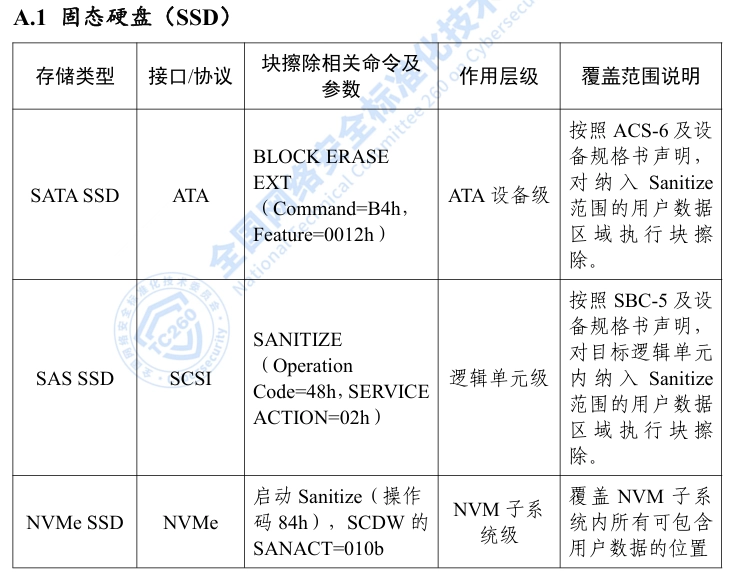
이 실천 지침은 SSD(Solid State Drive), UFS(Universal Flash Storage), eMMC(Embedded MultiMediaCard) 및 RawFlash에 대해 블록 삭제의 적용 범위, 블록 삭제 방법, 삭제 범위, 구현 효과, 반환 상태 및 검증 및 감사 방법을 명확히 하고, 주류 반도체 저장 매체 블록 삭제 명령과 등가 메커니즘 비교표를 제공합니다.
전자 제품 재활용 과정의 정보 삭제 관리 지침
"전자 제품 재활용 과정의 정보 삭제 관리 지침"은 정보 삭제 로그 형식, 내용 및 재활용 관리 요구사항, 그리고 정보 삭제 식별자의 형식 및 사용 방법을 명확히 하며, 재활용 사업자가 정보 삭제 로그를 생성하고, 정보 삭제 식별자를 사용하며, 정보 삭제 행위 및 경영 활동을 규범화하는 데 적합합니다.
초안 작성 기관:
- 중국전자기술표준화연구원
- 중국과학원 정보공학연구소
- SAISI (Shenzhen) Electronic Information Product Standardization Engineering Center Co., Ltd.
- Shanghai Aihuishou Information Technology Group Co., Ltd.
- China Resources Recycling Group Electronic Appliances Co., Ltd.
- 중국전자장비기술개발협회
- 중국순환경제협회
- Zhongzaichengzi (Beijing) Environmental Protection Technology Development Co., Ltd.
- Beijing SAISI Technology Development Co., Ltd.
- Hangzhou Qili Software Technology Co., Ltd.
- Anyunshudun Technology (Hangzhou) Co., Ltd.
- Sichuan Changhong Greentech Environmental Protection Co., Ltd. 등
이 지침은 전자 제품 정보 삭제 로그 형식과 내용을 통일함으로써 전자 제품 재활용 정보 삭제의 과정 관리 및 조직 관리를 규범화하고, 정보 삭제 식별자를 기반으로 한 신뢰 메커니즘을 구축하여 정보 삭제 전 과정의 추적 및 검증 가능성을 실현하고, 재활용 작업 효율성을 높이는 동시에 사용자의 실질적인 권익을 충분히 보장하며, 전자 제품 재활용 및 중고 거래 산업의 건강하고 규범적인 발전을 촉진하는 것을 목표로 합니다.
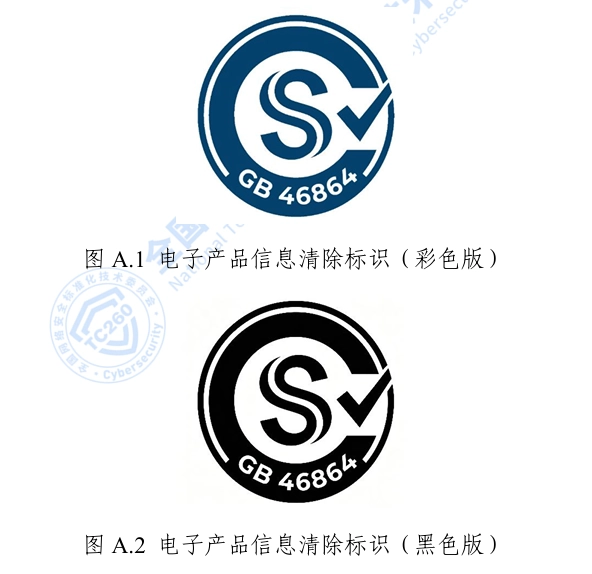
승인 후, 재활용 사업자는 정보 삭제가 완료된 전자 제품 또는 대량 전자 제품의 외부 포장에 정보 삭제 물리적 식별자를 부착할 수 있습니다.
정보 삭제가 완료된 중고 전자 제품이 유통되거나 재판매될 때, 정보 삭제 로그 코드를 제공하는 경우 전자 식별자 또는 물리적 식별자를 정보 삭제 로그 코드 중앙에 배치하여 동시에 표시할 수 있습니다.
모바일 스마트 단말 정보 삭제 기술 지침
"모바일 스마트 단말 정보 삭제 기술 지침"은 휴대폰, 태블릿 PC 등 모바일 스마트 단말의 정보 삭제 구체적인 방법, 작동 과정 및 검증 요구사항을 명확히 하며, 모바일 스마트 단말 제품의 정보 삭제 기능 설계, 개발 테스트에 적합하고, 통신 장비 네트워크 접속 허가 감독 기관 등에 참고 자료를 제공할 수 있습니다.
초안 작성 기관:
- 중국정보통신연구원
- Boding Shihua (Beijing) Technology Co., Ltd.
- Telecommunication Terminal Testing & Certification Co., Ltd.
- OPPO Guangdong Mobile Communications Co., Ltd.
- Beijing Xiaomi Mobile Software Co., Ltd.
- vivo Mobile Communication Co., Ltd.
- Honor Terminal Co., Ltd.
- Beijing Samsung Communication Technology Research Co., Ltd.
- Huawei Terminal Co., Ltd.
스마트폰, 태블릿 PC 등 모바일 통신 네트워크에 접속할 수 있는 전자 제품의 정보 삭제 능력 요구사항을 이행하기 위해 전국 네트워크 보안 표준화 기술 위원회는 이 문서를 조직하여 제정했습니다. 정보 삭제 기본 요구사항, 삭제 범위, 삭제 방법, 삭제 작동 과정 등 4가지 측면에서 스마트폰과 태블릿 PC에 대한 관련 요구사항을 제시하고, 각 요구사항의 검증 방법을 명확히 했습니다. 이는 모바일 스마트 단말 제품의 정보 삭제 기능 설계, 개발, 테스트를 지도하는 데 적합하며, 감독 기관 및 제3자 평가 기관에도 참고 자료를 제공할 수 있습니다.
모바일 스마트 단말 정보 삭제는 데이터 덮어쓰기(overwrite)와 블록 삭제 두 가지 방법을 포함하며, 구체적인 요구사항은 다음과 같습니다.
- a) 모바일 스마트 단말 저장 매체가 자기 매체인 경우, 데이터 덮어쓰기 방법을 사용하여 사용자 데이터 영역의 정보를 삭제합니다. 데이터 덮어쓰기 시, 사용자 데이터 영역, 다른 영역의 사용자 데이터 논리 주소와 물리 주소의 매핑 관계를 삭제하고, 사용자 데이터 영역의 남은 공간에 최소 3회 덮어쓰기를 수행하며, 최소 1회는 난수 덮어쓰기를 포함해야 합니다. 데이터 덮어쓰기 전체 과정 로그를 출력하거나 보존해야 하며, 여기에는 덮어쓰기 시작 시간, 종료 시간, 명령 정보, 실행 상태 등이 포함되지만 이에 국한되지 않습니다.
- b) 모바일 스마트 단말 저장 매체가 반도체 매체인 경우, 데이터 덮어쓰기 또는 블록 삭제를 선택하여 사용자 데이터 영역의 정보를 삭제할 수 있습니다.
- 데이터 덮어쓰기를 선택하는 경우, 사용자 데이터 영역, 다른 영역의 사용자 데이터 논리 주소와 물리 주소의 매핑 관계를 삭제하고, 사용자 데이터 영역의 남은 공간에 최소 1회 덮어쓰기를 수행합니다.
- 블록 삭제를 선택하는 경우, 사용자 데이터 영역, 다른 영역의 사용자 데이터 논리 주소와 물리 주소의 매핑 관계를 삭제하고, 사용자 데이터 영역의 남은 공간에 블록 삭제 명령을 실행합니다. 블록 삭제 명령 실행 전체 과정 로그를 출력하거나 보존해야 하며, 여기에는 블록 삭제 시작 시간, 종료 시간, 명령 정보, 실행 상태 등이 포함되지만 이에 국한되지 않습니다.
총평
중국은 전자 제품의 정보 삭제에 대한 3가지 네트워크 보안 표준 실천 지침을 발표하여 데이터 보안을 강화하고 재활용 산업의 건전한 발전을 도모합니다. 이 지침들은 반도체 저장 매체의 블록 삭제 방법, 재활용 과정에서의 정보 삭제 관리, 그리고 모바일 스마트 단말의 정보 삭제 기술 요구사항을 상세히 규정하여 사용자 정보 보호와 산업 투명성을 높이는 데 중점을 둡니다.
国家级数据安全标准指引发布
为配套落地《数据安全技术 电子产品信息清除技术要求》强制性国家标准(GB 46864-2025),全国网安标委秘书处组织相关部门和行业机构,正式向社会发布了三项网络安全标准实践指南。这些指引旨在指导规范电子产品的全生命周期信息清除活动。
半导体存储介质底层擦除技术指引
- 《半导体存储介质块擦除技术指引》明确了半导体存储介质的块擦除实现方法和具体操作指令,适用于指导厂商适配、调用和验证块擦除指令。
- 本指南针对多种主流存储设备,包括固态硬盘(SSD)、通用闪存存储设备(UFS)、内嵌式存储器(eMMC)以及无主控型闪存(RawFlash)。
- 内容详细规定了块擦除的适用范围、方法、清除效果、返回状态及验证与审计方法,并提供了主流半导体存储介质块擦除命令对照表。
- 起草单位汇集了多家行业巨头,包括 Xiaomi、Huawei、Honor 等终端制造商以及多个芯片和技术研究院。
移动智能终端信息清除要求
- 《移动智能终端信息清除技术指引》为手机、平板电脑等可接入移动通信网络的设备设定了信息清除的具体方法和验证标准,适用于产品设计、开发及测试。
- 指南根据存储介质类型提出了不同的清除要求:
- 磁介质存储介质:必须采用数据覆写方法,对用户数据区域剩余空间进行至少 3 次覆写(包括至少 1 次随机数覆写),并输出全过程日志。
- 半导体介质存储介质:可选择“数据覆写”或“块擦除”两种方式:
- 数据覆写:删除地址映射关系,对剩余空间覆写至少 1 次。
- 块擦除:执行块擦除指令,并输出全过程日志。
- 起草单位包括 OPPO、vivo、Samsung、Xiaomi 和 Huawei 等主流品牌方,确保了行业覆盖的全面性。
电子产品回收与信息清除管理规范
- 《电子产品回收过程中的信息清除管理指引》旨在规范二手电子产品的处理流程,核心在于建立可追溯、可验证的信息清除机制。
- 本指南统一了电子产品信息清除日志的格式和内容,指导回收经营者生成日志并使用物理标识(如外包装加贴)。
- 通过建立基于信息清除标识的信任机制,确保二手电子产品在流转或再销售时,其信息清除行为是可追溯、可验证的。
总结
本次发布的三项标准实践指南标志着中国在电子产品数据安全领域迈出了里程碑式的一步。从底层硬件(块擦除)到终端设备(移动智能终端),再到整个生命周期末端(回收管理),国家层面构建了覆盖全流程、多维度的信息清除技术规范,极大地提升了用户数据的安全性与行业管理的透明度。
序論
IT之家が9月17日に報じたところによると、CCTVニュースは本日、「半導体ストレージ媒体のブロック削除技術ガイドライン」、「電子製品のリサイクル過程における情報削除管理ガイドライン」、「モバイルスマート端末の情報削除技術ガイドライン」という3つのネットワークセキュリティ標準実践ガイドラインを正式に発表しました。
これらのガイドラインは、国家強制標準であるGB 46864-2025「データセキュリティ技術電子製品情報削除技術要求事項」の施行を支援し、電子製品の情報削除活動を指導的かつ規範化することを目的としています。中央サイバー空間管理事務室や工業情報化部などの部署が主導し、全国ネットワークセキュリティ標準委員会事務局は、約30のストレージチップメーカー、電子製品メーカー、リサイクル事業者、および第三者機関などを組織して、これら3つのガイドラインを策定しました。
IT之家によると、各ガイドラインの主な内容は以下の通りに要約されています。
半導体ストレージ媒体のブロック削除技術ガイドライン
この「半導体ストレージ媒体のブロック削除技術ガイドライン」は、半導体ストレージ媒体におけるブロック削除技術の実装方法と具体的な動作コマンドを明確化しています。これにより、半導体ストレージ媒体メーカーや電子製品メーカーなどが、ブロック削除コマンドを適用、呼び出し、検証するのに適した基準を提供します。
草案作成機関:
- 中国電気技術標準化研究所
- Yangtze Memory Technologies Co., Ltd.
- Shenzhen Longsys Electronics Co., Ltd.
- GigaDevice Semiconductor Inc.
- Huawei Terminal Co., Ltd.
- Honor Terminal Co., Ltd.
- Beijing Xiaomi Mobile Software Co., Ltd.
本ガイドラインは、SSD(Solid State Drive)、UFS(Universal Flash Storage)、eMMC(Embedded MultiMediaCard)、およびRawFlashについて、ブロック削除の適用範囲、具体的な方法、削除範囲、実装効果、返却ステータス、検証・監査の方法を明確に定めています。また、主要な半導体ストレージ媒体のブロック削除コマンドと等価メカニズムの比較表も提供されています。
電子製品のリサイクル過程における情報削除管理ガイドライン
「電子製品のリサイクル過程における情報削除管理ガイドライン」は、情報削除ログの形式や内容、リサイクル管理要件、そして情報削除識別子の形式と使用方法を明確に定めています。これは、リサイクル事業者が情報削除ログを作成し、情報削除識別子を使用するとともに、情報削除行為および経営活動を規範化するのに適しています。
草案作成機関:
- 中国電気技術標準化研究所
- 中国科学研究院情報工学研究所
- SAISI (Shenzhen) Electronic Information Product Standardization Engineering Center Co., Ltd.
- Shanghai Aihuishou Information Technology Group Co., Ltd.
- China Resources Recycling Group Electronic Appliances Co., Ltd.
- 中国電子設備技術開発協会
- 中国循環経済協会
- Zhongzaichengzi (Beijing) Environmental Protection Technology Development Co., Ltd.
- Beijing SAISI Technology Development Co., Ltd.
- Hangzhou Qili Software Technology Co., Ltd.
- Anyunshudun Technology (Hangzhou) Co., Ltd.
- 四川常紅グリーンテック環境保護有限公司など
本ガイドラインは、電子製品の情報削除ログの形式と内容を統一することで、リサイクル過程における情報削除のプロセス管理および組織管理を規範化します。さらに、情報削除識別子に基づいた信頼メカニズムを構築し、情報削除の全工程における追跡可能性と検証可能性を実現することを目指しています。これにより、リサイクル作業効率の向上に加え、ユーザーの実質的な権利保護が十分に保証され、電子製品のリサイクルおよび中古取引産業の健全で規範的な発展を促進します。
承認後、リサイクル事業者は情報削除が完了した電子製品、または大量の電子製品の外装に、情報削除物理識別子を取り付けることができます。
情報削除が完了した中古電子製品が流通または再販される際、情報削除ログコードを提供する場合、電子識別子または物理的識別子を情報削除ログコードの中央に配置して同時に表示することが可能です。
モバイルスマート端末の情報削除技術ガイドライン
「モバイルスマート端末の情報削除技術ガイドライン」は、携帯電話やタブレットPCなどのモバイルスマート端末における情報削除の具体的な方法、動作プロセス、および検証要件を明確化しています。これは、モバイルスマート端末製品の情報削除機能の設計、開発テストに適しており、通信機器ネットワーク接続許可監督機関などにも参考資料を提供できます。
草案作成機関:
- 中国情報通信研究所
- Boding Shihua (Beijing) Technology Co., Ltd.
- Telecommunication Terminal Testing & Certification Co., Ltd.
- OPPO Guangdong Mobile Communications Co., Ltd.
- Beijing Xiaomi Mobile Software Co., Ltd.
- vivo Mobile Communication Co., Ltd.
- Honor Terminal Co., Ltd.
- Beijing Samsung Communication Technology Research Co., Ltd.
- Huawei Terminal Co., Ltd.
全国ネットワークセキュリティ標準化技術委員会は、スマートフォンやタブレットPCなど、モバイル通信ネットワークに接続可能な電子製品の情報削除能力の要求事項を満たすため、本文書を策定しました。情報削除の基本要件、削除範囲、削除方法、削除動作プロセスという4つの側面から、スマートフォンとタブレットPCに関する関連要件を提示し、各要件の検証方法を明確にしています。これは、モバイルスマート端末製品の情報削除機能の設計、開発、テストを指導するのに適しており、監督機関や第三者評価機関にも参考資料を提供できます。
モバイルスマート端末の情報削除は、「データ上書き(overwrite)」と「ブロック削除」の2つの方法を含み、具体的な要求事項は以下の通りです。
- a) モバイルスマート端末のストレージ媒体が自己媒体である場合、データ上書きの方法を使用してユーザーデータ領域の情報を削除します。データ上書きを行う際は、ユーザーデータ領域、その他の領域におけるユーザーデータの論理アドレスと物理アドレスのマッピング関係を削除し、ユーザーデータ領域に残された空き領域に対して最低3回のオーバーライトを実施し、そのうち少なくとも1回はランダムなデータでのオーバーライトを含める必要があります。データ上書きの全プロセスログを出力または保存する必要があり、これにはオーバーライト開始時間、終了時間、コマンド情報、実行ステータスなどが含まれますが、これらに限定されません。
- b) モバイルスマート端末のストレージ媒体が半導体媒体である場合、データ上書きまたはブロック削除を選択してユーザーデータ領域の情報を削除できます。
- データ上書きを選択する場合:ユーザーデータ領域、その他の領域におけるユーザーデータの論理アドレスと物理アドレスのマッピング関係を削除し、ユーザーデータ領域に残された空き領域に対して最低1回のオーバーライトを実施します。
- ブロック削除を選択する場合:ユーザーデータ領域、その他の領域におけるユーザーデータの論理アドレスと物理アドレスのマッピング関係を削除し、ユーザーデータ領域に残された空き領域に対してブロック削除コマンドを実行します。ブロック削除コマンド実行の全プロセスログを出力または保存する必要があり、これにはブロック削除開始時間、終了時間、コマンド情報、実行ステータスなどが含まれますが、これらに限定されません。
まとめ
中国は、電子製品の情報削除に関する3つのネットワークセキュリティ標準実践ガイドラインを発表し、データセキュリティの強化とリサイクル産業の健全な発展を促進します。これらのガイドラインは、半導体ストレージ媒体のブロック削除方法、リサイクル過程での情報削除管理、およびモバイルスマート端末の情報削除技術要件を詳細に規定しており、ユーザー情報の保護と産業の透明性向上に重点を置いています。
Introduction
According to IT之家 reporting on September 17th, CCTV News announced the official release of three network security standard practice guidelines: "Technical Guidelines for Block Deletion in Semiconductor Storage Media," "Information Deletion Management Guidelines for Electronic Product Recycling Processes," and "Technical Guidelines for Information Deletion in Mobile Smart Terminals."
To support the implementation of the mandatory national standard, GB 46864-2025, "Technical Requirements for Information Deletion from Electronic Products," and to guide and standardize information deletion activities in electronic products, the National Network Security Standard Committee Secretariat—under the guidance of departments including the Central Cyberspace Affairs Administration and the Ministry of Industry and Information Technology—organized over 30 storage chip manufacturers, electronic product manufacturers, recycling operators, and third-party institutions to formulate these three network security standard practice guidelines.
IT之家 summarized the main contents of the three guidelines as follows:
Technical Guidelines for Block Deletion in Semiconductor Storage Media
"The Technical Guidelines for Block Deletion in Semiconductor Storage Media" clarify the implementation methods and specific operational commands for semiconductor storage media block deletion technology. These guidelines are suitable for semiconductor storage media manufacturers and electronic product manufacturers to apply, call, and verify block deletion commands.
Drafting Institutions:
- China Electronics Technology Standardization Institute
- Yangtze Memory Technologies Co., Ltd.
- Shenzhen Longsys Electronics Co., Ltd.
- GigaDevice Semiconductor Inc.
- Huawei Terminal Co., Ltd.
- Honor Terminal Co., Ltd.
- Beijing Xiaomi Mobile Software Co., Ltd.
This practice guideline clarifies the scope, methods, deletion range, implementation effects, return status, and verification/audit methods for block deletion across SSD (Solid State Drive), UFS (Universal Flash Storage), eMMC (Embedded MultiMediaCard), and RawFlash. It also provides a comparison table of mainstream semiconductor storage media block deletion commands and equivalent mechanisms.
Information Deletion Management Guidelines for Electronic Product Recycling Processes
"The Information Deletion Management Guidelines for Electronic Product Recycling Processes" clarify the format and content of information deletion logs, recycling management requirements, and the format and usage methods of information deletion identifiers. These guidelines are suitable for standardizing the creation of information deletion logs, the use of information deletion identifiers, and the operationalization of information deletion activities by recycling operators.
Drafting Institutions:
- China Electronics Technology Standardization Institute
- Institute of Information Technology, Chinese Academy of Sciences
- SAISI (Shenzhen) Electronic Information Product Standardization Engineering Center Co., Ltd.
- Shanghai Aihuishou Information Technology Group Co., Ltd.
- China Resources Recycling Group Electronic Appliances Co., Ltd.
- China Electronics Equipment Technology Development Association
- China Circular Economy Association
- Zhongzaichengzi (Beijing) Environmental Protection Technology Development Co., Ltd.
- Beijing SAISI Technology Development Co., Ltd.
- Hangzhou Qili Software Technology Co., Ltd.
- Anyunshudun Technology (Hangzhou) Co., Ltd.
- Sichuan Changhong Greentech Environmental Protection Co., Ltd., etc.
By unifying the format and content of electronic product information deletion logs, these guidelines standardize process management and organizational control for information deletion during electronic product recycling. They aim to realize traceability and verifiability throughout the entire information deletion process by establishing a reliable mechanism based on information deletion identifiers. This is intended to enhance recycling operational efficiency while fully guaranteeing the substantive rights and interests of users, thereby promoting the healthy and standardized development of the e-waste recycling and second-hand trade industries.
After approval, recycling operators can affix a physical information deletion identifier to the external packaging of electronic products or bulk electronics where information deletion has been completed.
When used or resold, used electronic products with completed information deletion can display an electronic or physical identifier alongside the central location for the information deletion log code.
Technical Guidelines for Information Deletion in Mobile Smart Terminals
"The Technical Guidelines for Information Deletion in Mobile Smart Terminals" clarify the specific methods, operational processes, and verification requirements for information deletion in mobile smart terminals such as cell phones and tablet PCs. These guidelines are suitable for designing and testing information deletion functions in mobile smart terminal products and can serve as reference material for regulatory bodies overseeing telecommunication equipment network access.
Drafting Institutions:
- China Information Communication Research Institute
- Boding Shihua (Beijing) Technology Co., Ltd.
- Telecommunication Terminal Testing & Certification Co., Ltd.
- OPPO Guangdong Mobile Communications Co., Ltd.
- Beijing Xiaomi Mobile Software Co., Ltd.
- vivo Mobile Communication Co., Ltd.
- Honor Terminal Co., Ltd.
- Beijing Samsung Communication Technology Research Co., Ltd.
- Huawei Terminal Co., Ltd.
The National Network Security Standardization Technology Committee formulated this document to meet the requirements for information deletion capability in electronic products that can connect to mobile communication networks, such as smartphones and tablet PCs. It presents related requirements for smartphones and tablet PCs across four aspects: basic information deletion requirements, scope of deletion, method of deletion, and operational process of deletion, while clearly defining verification methods for each requirement. This is suitable for guiding the design, development, and testing of information deletion functions in mobile smart terminal products and can also serve as reference material for supervisory bodies and third-party evaluation agencies.
Information deletion in mobile smart terminals includes two methods: data overwriting and block deletion. The specific requirements are as follows:
- a) If the storage media of the mobile smart terminal is self-contained, information must be deleted using the data overwriting method. During data overwriting, the mapping relationship between user data areas, other area user data logical addresses, and physical addresses must be deleted. A minimum of three overwrite cycles must be performed on the remaining space in the user data area, including at least one random number overwrite. The entire process log for data overwriting must be outputted or preserved, which includes, but is not limited to, the start time, end time, command information, and execution status of the overwriting.
- b) If the storage media of the mobile smart terminal is a semiconductor medium, information can be deleted using either data overwriting or block deletion.
- If data overwriting is selected, the mapping relationship between user data areas, other area user data logical addresses, and physical addresses must be deleted, and a minimum of one overwrite cycle must be performed on the remaining space in the user data area.
- If block deletion is selected, the mapping relationship between user data areas, other area user data logical addresses, and physical addresses must be deleted, and a block deletion command must be executed on the remaining space in the user data area. The entire process log for executing the block deletion command must be outputted or preserved, which includes, but is not limited to, the start time, end time, command information, and execution status of the block deletion.
Summary
China has released three network security standard practice guidelines aimed at strengthening data security and promoting the healthy development of the recycling industry concerning electronic products. These guidelines detail requirements for semiconductor storage media block deletion, information management during recycling processes, and technical standards for mobile smart terminal information deletion. The focus is on enhancing user privacy protection and industrial transparency by clearly defining these procedures.