개요
미국 학교들이 드론 방어 체계 도입을 앞두고 있습니다. Mithril Defense가 출시한 "Campus Guardian Angel" 드론 시스템이 올해 말까지 플로리다, 조지아, 콜로라도 등 3개 주의 9개 학교에서 시범 운영될 예정입니다. 이 프로젝트는 자원 경찰관(Resource Officer) 배치 여부와 관계없이 다양한 환경의 학교를 대상으로 진행됩니다.
기능 및 대응 방식
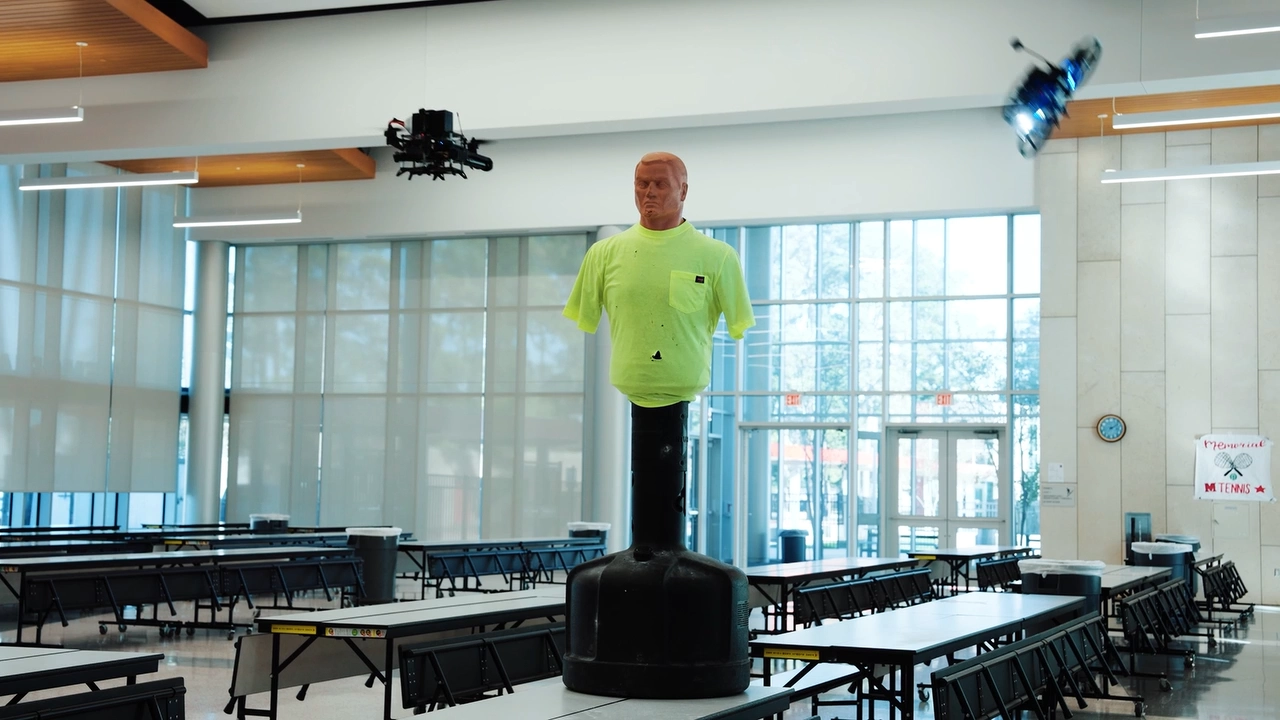
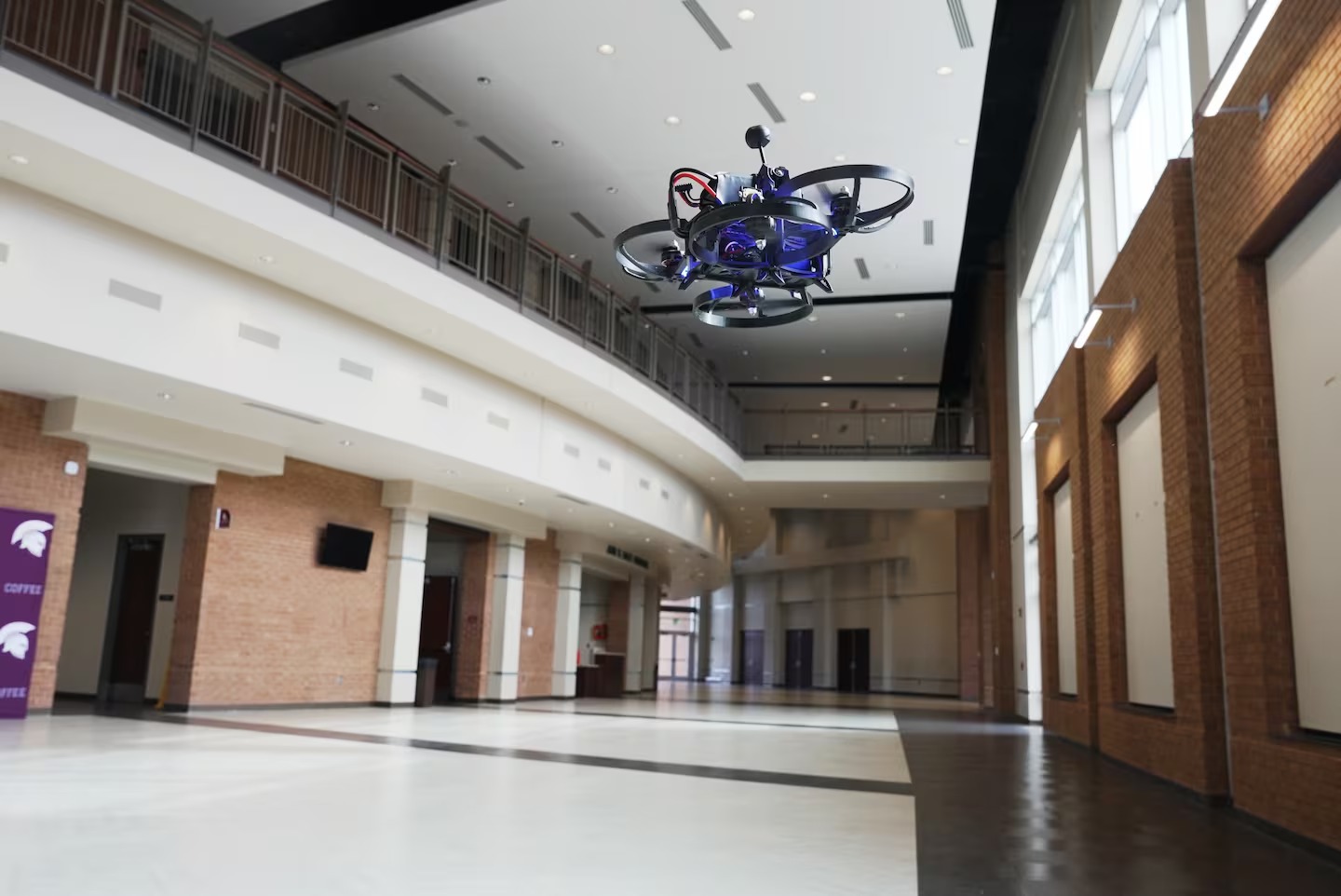
이 드론은 캠퍼스 내 주요 구역에 안전하게 배치되며, 교사가 모바일 앱이나 비상 버튼을 통해 작동을 요청하면 즉시 출동합니다. 드론은 스트로브 조명, 경보음, 고추 스프레이(또는 젤), 그리고 최대 시속 60마일(약 97km)의 속도로 충돌하는 능력을 활용하여 총기 소지 공격자를 저지하고 방해합니다.
예산 및 지원
Campus Guardian Angel 시스템 도입에는 상당한 비용이 소요됩니다. 예를 들어, 조지아주에서 이 시스템을 도입할 계획인 5개 학교는 시범 프로젝트를 위해 50만 달러의 지원금을 확보했습니다. 해당 주의 정치권과 입법가들은 관련 예산안을 비교적 원활하게 통과시킨 것으로 알려졌습니다.
운영 프로세스
Campus Guardian Angel 시스템은 다음과 같은 절차로 작동합니다:
- 드론이 캠퍼스 주변의 안전한 위치에 배치됩니다.
- 교사가 모바일 앱이나 비상 버튼을 통해 드론 배치를 시작합니다.
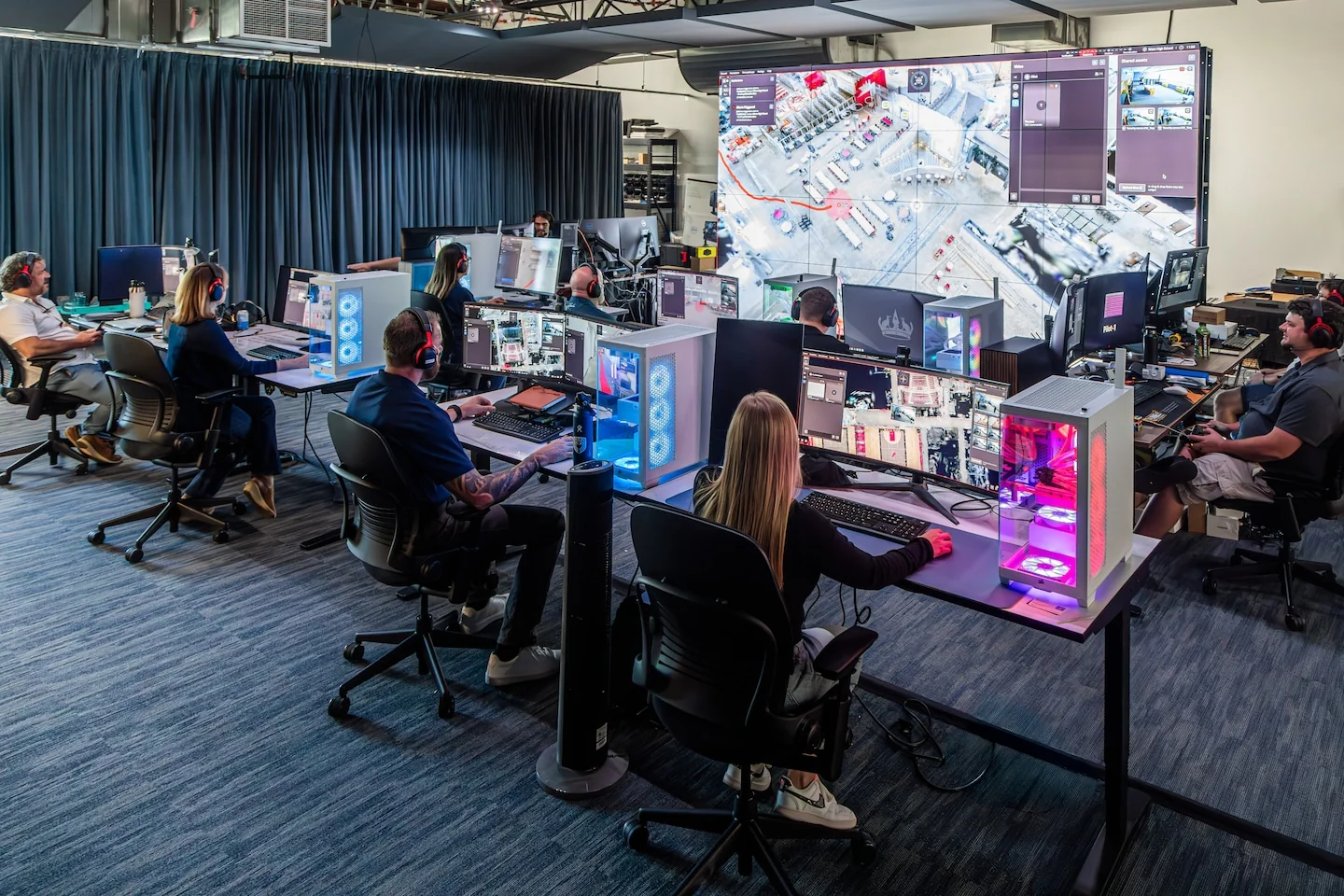
- 원격 조종사가 드론을 제어하며 스트로브, 경보음, 고추 젤, 최대 시속 60마일의 충돌 능력을 사용하여 공격자를 방해하고 위협하며 저지합니다.
- 드론 시스템의 반응 속도는 매우 중요하게 작용합니다.
성능 및 사례
Mithril Defense에 따르면, Campus Guardian Angel 드론은 가장 빠르게 15초 이내에 반응하여 총기 소지자의 위치에 도달할 수 있습니다. 회사의 설립자이자 CEO인 Justin Marston는 이 시스템이 2022년 텍사스주 우발데(Uvalde)에서 발생한 비극적인 총기 난사 사건과 같은 상황에서 인명을 구조할 수 있었을 것이라고 주장했습니다.
우발데 사건 당시 19명의 학생과 2명의 교사가 희생되었으며, 당시 치안 당국의 대응이 지연되어 현장 진입에 한 시간이 넘게 소요된 점이 특징입니다. CEO는 대부분의 총기 사고가 초기 120초 이내에 발생하기 때문에 매우 짧은 시간 내에 드론이 작동하는 것이 중요하다고 강조했습니다.
논란 및 한계
이러한 학교용 드론 방어 시스템은 여러 논쟁을 불러일으키고 있습니다. 비판론자들은 사후 대응보다는 예방 조치에 예산을 투입해야 한다고 주장하며, CEO 본인도 2분 이내에 작동하지 않을 경우 홍보된 효과를 거두기 어려울 수 있음을 인정했습니다.
또한 고도의 긴장 상태에서 드론이 학생이나 보안 요원을 위협으로 오인할 가능성에 대한 우려도 제기됩니다. 일부는 이러한 군사적 성격의 장비가 학교 환경에 적합하지 않으며, 문 잠금과 같은 간단한 조치보다 비용이 훨씬 많이 든다고 지적합니다.
총평
Mithril Defense의 "Campus Guardian Angel"은 빠른 대응 속도와 물리적 저지 능력을 갖춘 드론 기반 학교 보안 시스템입니다. 높은 비용과 오작동 가능성 등 논란이 존재하지만, 올해 말부터 시작되는 3개 주의 시범 운영을 통해 실제 방어 효과와 위협 억제력이 검증될 예정입니다.
项目概况
Mithril Defense 公司推出的“Campus Guardian Angel”无人机系统计划于今年年底前在佛罗里达州、佐治亚州和科罗拉多州的 9 所学校进行试点测试。该系统旨在通过部署无人机来应对美国校园内的枪支暴力威胁,目标涵盖有无资源警员的各类学校。
核心功能与技术参数
这些无人机被设计为在紧急情况下迅速介入并对持枪攻击者进行干预,具备以下关键特性:
- 配备频闪灯和警报器;
- 配有胡椒凝胶(Pepper Gel);
- 具备最高时速 60 英里(约 97 公里)的撞击能力;
- 最快可在 15 秒内做出反应并到达枪手位置。
工作流程
Campus Guardian Angel 无人机系统的工作逻辑如下:
- 无人机部署在校园周边的安全位置;
- 教师通过手机应用或紧急按钮触发警报,启动无人机部署;
- 远程飞手接管控制,利用频闪灯、警报器、胡椒凝胶及撞击能力对攻击者进行干预和威慑。
成本与争议
该系统的部署涉及高昂的成本,例如佐治亚州计划采用该系统的 5 所学校获得了 50 万美元的资金支持。目前该项目也面临多方面的质疑:
- 资金分配问题:批评者认为应优先投入到预防措施而非事后应对;
- 误判风险:在高压环境下,无人机可能将学生或安保人员误认为威胁;
- 成本效益比:相比于锁门等简单且低成本的常规做法,此类军事化装备在学校环境中的必要性受到质疑。
总结
Mithril Defense 推出的 Campus Guardian Angel 无人机系统旨在通过快速反应和多重干预手段应对校园枪击事件。尽管该技术在响应速度上具有显著优势,但其高昂的成本、潜在的误判风险以及与预防性措施的优先级对比仍是目前主要的争议点。
概要
アメリカの学校において、ドローンによる防衛システムの導入が進んでいます。Mithril Defenseが発表した「Campus Guardian Angel」ドローンシステムは、今年末までにフロリダ、ジョージア、コロラドの3州にある9つの学校で試験運用される予定です。このプロジェクトは、校内に警察官(Resource Officer)が配置されているかに関わらず、多様な環境の学校を対象として実施されます。
機能と対応方法
このドローンはキャンパス内の主要なエリアに安全に配置され、教師がモバイルアプリや緊急ボタンを通じて作動を要求すると即座に出動します。ドローンはストロボライト、警報音、胡椒スプレー(またはジェル)、そして最大時速60マイル(約97km)での衝突能力を活用し、銃器を所持した攻撃者を阻止し妨害する機能を備えています。
予算と支援
Campus Guardian Angelシステムの導入には多額の費用が必要です。例えば、ジョージア州でこのシステムを導入予定の5校は、試験プロジェクトのために50万ドルの支援金を確保しました。同州の政治家や立法担当者は、関連する予算案を比較的スムーズに可決したと報じられています。
運用プロセス
Campus Guardian Angelシステムは以下の手順で動作します:
- ドローンがキャンパス周辺の安全な位置に配置されます。
- 教師がモバイルアプリまたは緊急ボタンを通じて、ドローンの展開を開始します。
- リモート操縦者がドローンを制御し、ストロボ、警報音、胡椒ジェル、最大時速60マイルの衝突能力を用いて攻撃者を妨害・威嚇・阻止します。
- ドローンシステムの反応速度は、非常に重要な要素として機能します。
性能と事例
Mithril Defenseによると、Campus Guardian Angelドローンは最短15秒以内に銃器保持者の位置に到達することが可能です。同社の創設者兼CEOであるJustin Marston氏は、このシステムが2022年にテキサス州ウバルデ(Uvalde)で発生した悲劇的な銃乱射事件のような状況において、人命を救うことができたはずだと主張しています。
ウバルデ事件では19人の生徒と2人の教師が犠牲となり、当時の治安当局の対応が遅れたため、現場への進入に1時間以上を要したことが課題となりました。CEOは、ほとんどの銃撃事案は最初の120秒以内に発生するため、極めて短時間でのドローンの作動が重要であると強調しています。
論争と限界
この学校用ドローン防衛システムは、いくつかの議論を呼んでいます。批判派は、事後対応よりも予防策に予算を投じるべきだと主張しており、CEO自身も2分以内に作動しない場合、宣伝されている効果を得ることは難しい可能性があることを認めています。
また、高度な緊張状態においてドローンが学生や警備員を脅威と誤認する可能性への懸念も提起されています。一部からは、このような軍事的な性質を持つ装備は学校環境に適しておらず、ドアの施錠といった単純な対策よりもコストがかかりすぎると指摘されています。
まとめ
Mithril Defenseの「 Campus Guardian Angel」は、迅速な対応と物理的な阻止能力を兼ね備えたドローンベースの校内防衛システムです。高額な導入費用や誤認のリスクといった課題はあるものの、今年末からの試験運用を通じて、その実効性と脅威に対する抑止力が検証される予定です。
Overview
Schools in the United States are preparing to implement drone defense systems. The "Campus Guardian Angel" system, released by Mithril Defense, is scheduled for pilot operation in nine schools across three states—Florida, Georgia, and Colorado—starting later this year. This project targets a wide range of school environments regardless of whether they have Resource Officers on site.
Features and Response Mechanisms
These drones are stationed in secure areas within the campus and deploy immediately when requested by teachers via a mobile app or an emergency button. The system is designed to deter and disrupt armed attackers using strobe lights, sirens, pepper spray (or gel), and the ability to collide with targets at speeds of up to 60 mph.
Budget and Support
Implementing the Campus Guardian Angel system involves significant costs. For example, five schools in Georgia planning to adopt the system secured $500,000 in funding for the pilot project. Local politicians and legislators reportedly passed the related budget with relative ease.
Operational Process
The Campus Guardian Angel system operates according to the following procedures:
- Drones are stationed in secure locations around the campus.
- Teachers initiate drone deployment via a mobile app or an emergency button.
- A remote pilot controls the drone, utilizing strobes, sirens, pepper gel, and collision capabilities at speeds up to 60 mph to deter, threaten, and neutralize attackers.
- The response speed of the drone system is considered a critical factor for its effectiveness.
Performance and Case Studies
According to Mithril Defense, Campus Guardian Angel drones can respond and reach an armed individual's location in under 15 seconds. Justin Marston, founder and CEO of the company, claimed that this system could have saved lives in tragedies such as the 2022 mass shooting in Uvalde, Texas. During the Uvalde incident, 19 students and two teachers were killed, and law enforcement's response was delayed, taking over an hour to enter the scene. The CEO emphasized that because most active shooter incidents occur within the first 120 seconds, it is vital for drones to be operational within a very short timeframe.
Controversy and Limitations
These school-based drone defense systems have sparked several debates. Critics argue that budgets should be allocated toward preventive measures rather than reactive ones; even the CEO admitted that it may be difficult to achieve the advertised effects if the system does not activate within two minutes. Additionally, concerns have been raised regarding the possibility of drones misidentifying students or security personnel as threats during high-tension situations. Some critics point out that such militarily-styled equipment is unsuitable for a school environment and costs significantly more than simple measures like locking doors.
Conclusion
Mithril Defense's "Campus Guardian Angel" is a drone-based school security system featuring rapid response times and physical deterrence capabilities. While controversy exists regarding high costs and potential malfunctions, the pilot programs starting later this year in three states will serve to verify its actual defensive effectiveness and threat deterrence.
Summary
Mithril Defense is launching "Campus Guardian Angel," a drone-based security system designed to deter armed attackers on school campuses using physical measures like strobes, sirens, and high-speed collisions. While the technology offers rapid response times potentially capable of preventing casualties in active shooter scenarios, it faces criticism regarding its high cost and the risk of misidentifying non-threats during emergencies.