Tap to Pay on iPhone 기능
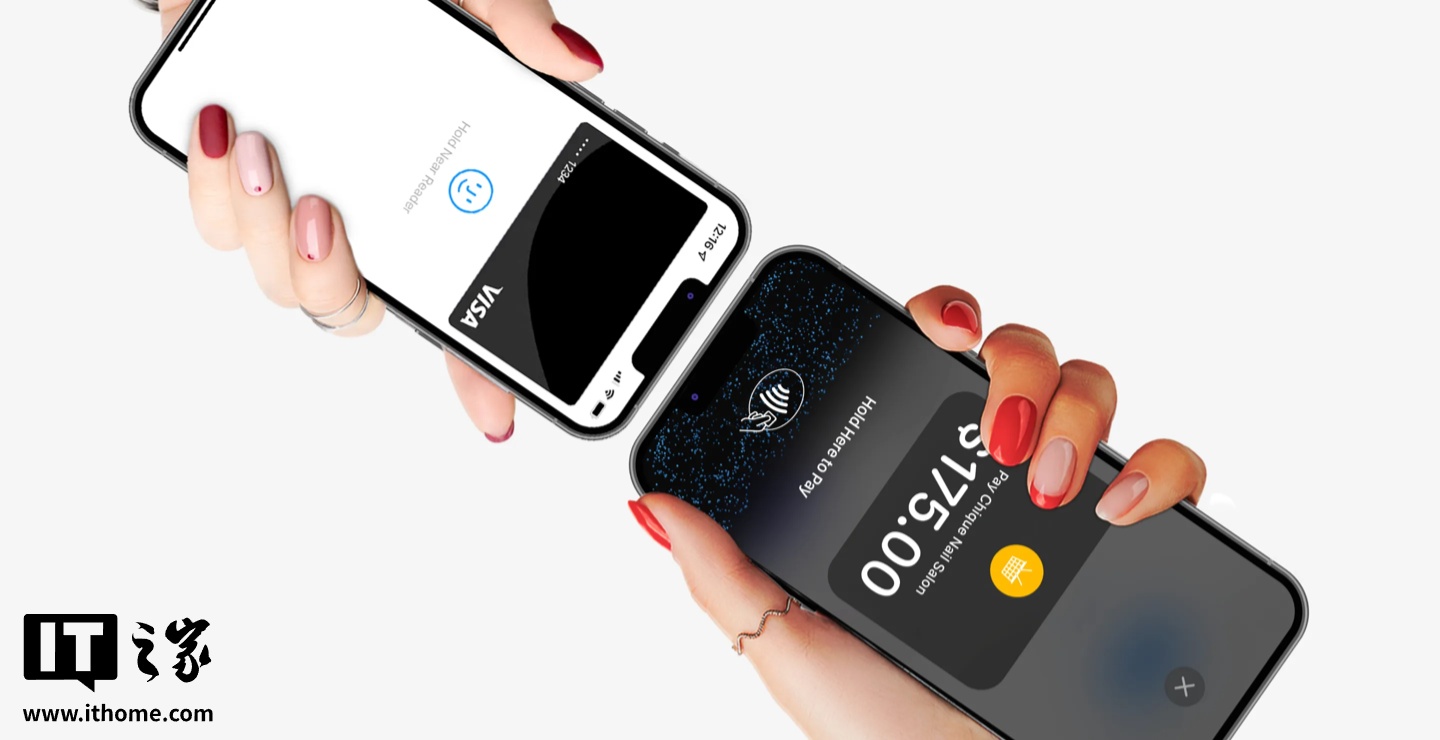
Apple은 2022년부터 'Tap to Pay on iPhone' 기능을 출시했습니다. 이 기능은 소규모 기업과 가맹점이 별도의 POS 하드웨어 없이 iPhone을 신용카드 단말기로 직접 사용할 수 있게 해줍니다. 고객은 자신의 iPhone, Apple Watch 또는 실물 신용카드를 가맹점의 iPhone에 가까이 대는 것만으로 결제를 완료할 수 있습니다.
Apple Store 도입 현황
현재 일부 Apple Store 직원들은 iPhone 14를 지급받아 고객들이 매장에서 Tap to Pay on iPhone을 통해 결제할 수 있도록 지원하고 있습니다. 이러한 변화의 일환으로, Apple은 기존에 사용하던 블루투스 신용카드 리더기를 점진적으로 퇴출하고 있습니다.
iPhone 16 도입 및 확대
Bloomberg의 기자 마크 거먼에 따르면, Apple은 더 많은 직영 Apple Store 직원들에게 iPhone 16을 지급할 예정이며, 이를 통해 매장 내 Tap to Pay on iPhone의 적용 범위를 더욱 확대할 계획입니다.
iPhone 16 채택 사유
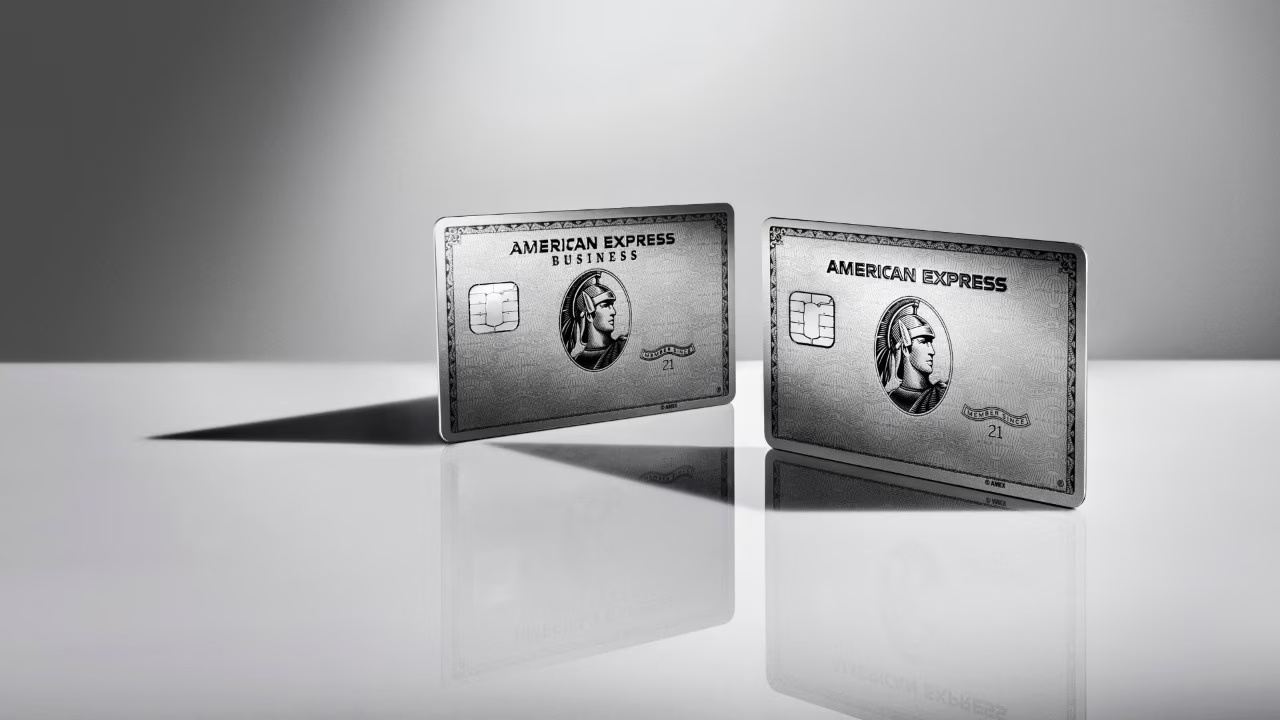
마크 거먼은 Apple이 직원들에게 iPhone 16을 지급하는 이유로 시스템 안정성을 언급했습니다. 기존 iPhone 14의 Tap to Pay 시스템은 때때로 불안정했으며, Chase Sapphire Reserve와 같은 금속 재질의 신용카드를 지원하지 못하는 한계가 있었습니다. 반면, iPhone 16은 이러한 문제들을 해결하고 성능이 더 우수하며, 매장 직원이 블루투스 POS 기기를 휴대할 필요를 없애줍니다.
총평
Apple은 결제 시스템의 안정성을 높이고 금속 신용카드 지원 문제를 해결하기 위해 더 많은 Apple Store에 iPhone 16을 도입할 예정입니다. 이를 통해 매장 내 Tap to Pay on iPhone 서비스 범위를 확대하고 블루투스 POS 기기 의존도를 낮추는 방향으로 나아가고 있습니다.
Tap to Pay on iPhone 功能概述
Apple 于 2022 年推出 Tap to Pay on iPhone 功能,允许商户直接将 iPhone 作为信用卡终端。该功能支持顾客通过将自己的 iPhone、Apple Watch 或实体信用卡贴近商户设备即可完成支付,无需额外的 POS 硬件。
Apple Store 门店应用与技术转型
目前部分 Apple Store 直营店员工已配备 iPhone 14 以支持 Tap to Pay on iPhone 功能。作为技术转型的部分,Apple 正逐步淘汰此前使用的蓝牙信用卡读卡器。
向 iPhone 16 的设备升级原因
根据相关消息,Apple 将向更多直营店员工配发 iPhone 16,旨在提升 Tap to Pay on iPhone 在门店的稳定性。具体改进包括:
- 解决 iPhone 14 系统在某些情况下不够稳定的问题。
- 支持金属材质信用卡(如美国运通白金卡、大通银行蓝宝石臻享卡等)。
- 利用 iPhone 16 更出色的表现,彻底取代员工随身携带的蓝牙 POS 机。
总结
Apple 正通过向更多直营店员工配发 iPhone 16 来优化 Tap to Pay on iPhone 功能。此举旨在解决旧款机型在处理金属卡及系统稳定性方面的缺陷,从而减少对外部硬件读卡器的依赖。
Tap to Pay on iPhone機能
Appleは2022年より「Tap to Pay on iPhone」機能をリリースしました。この機能により、小規模企業や加盟店は専用のPOSハードウェアを用意することなく、iPhoneを直接クレジットカード決済端末として活用できるようになります。顧客は自身のiPhone、Apple Watch、または実物のクレジットカードを店舗側のiPhoneにかざすだけで、スムーズに決済を完了できます。
Apple Storeでの導入状況
現在、一部のApple StoreスタッフにはiPhone 14が配布されており、顧客が店頭で「Tap to Pay on iPhone」を通じて決済を行えるようサポートが行われています。この移行に伴い、Appleは従来使用していたBluetoothカードリーダーを段階的に廃止する方針です。
iPhone 16の導入と拡大
Bloombergのマーク・ガーナー記者によると、Appleはより多くの直営Apple StoreスタッフにiPhone 16を配布する予定です。これにより、店舗内における「Tap to Pay on iPhone」の提供範囲をさらに拡大する計画です。
iPhone 16採用の理由
マーク・ガーナー氏は、AppleがスタッフにiPhone 16を導入する主な理由としてシステムの安定性を挙げています。従来のiPhone 14におけるTap to Payシステムは動作が不安定な場合があり、Chase Sapphire Reserveのような金属製カードに対応できないという制約がありました。一方、iPhone 16はこれらの問題を解決し、より優れたパフォーマンスを提供するとともに、店舗スタッフがBluetooth POS機器を持ち運ぶ必要性を排除します。
まとめ
Appleは決済システムの安定性向上と金属製カードへの対応を見据え、より多くのApple StoreにiPhone 16を導入する方針です。これにより「Tap to Pay on iPhone」のサービス範囲を拡大し、外部デバイスへの依存度を低減することを目指しています。
Tap to Pay on iPhone Feature
Apple launched the "Tap to Pay on iPhone" feature in 2022. This functionality allows small businesses and merchants to use an iPhone as a credit card terminal without the need for separate POS hardware. Customers can complete transactions simply by tapping their own iPhone, Apple Watch, or physical credit cards against the merchant's device.
Implementation Status in Apple Stores
Currently, some Apple Store employees are equipped with the iPhone 14 to support customers using Tap to Pay on iPhone. As part of this transition, Apple is gradually phasing out the Bluetooth credit card readers it previously utilized.
Expansion via iPhone 16
According to Bloomberg's Mark Gurman, Apple plans to provide more retail staff with the iPhone 16. This move is intended to further expand the scope of Tap to Pay on iPhone within their physical store locations.
Reasons for iPhone 16 Adoption
Mark Gurman noted that system stability is a primary reason for providing employees with the iPhone 16. The transition addresses several limitations found in previous models:
- The Tap to Pay system on the iPhone 14 was occasionally unstable.
- The iPhone 14 had difficulty supporting metal credit cards, such as the Chase Sapphire Reserve.
- The iPhone 16 offers superior performance and eliminates the need for staff to carry separate Bluetooth POS devices.
Summary
Apple is transitioning more of its retail staff to the iPhone 16 to improve the reliability and reach of the Tap to Pay on iPhone system. This move aims to resolve technical issues regarding metal card compatibility while reducing the store's reliance on external hardware.