AI 어시스턴트에서 AI 에이전트로의 진화
스마트폰 내 인공지능 기술이 새로운 단계에 진입하고 있습니다. Counterpoint Research에 따르면, 업계는 단순히 질문에 답변하는 AI 어시스턴트를 넘어 사용자의 의도를 파악하고 작업을 자동으로 수행하는 'Agent Phones'로 나아가고 있습니다. 미래의 스마트폰은 사용자가 앱을 하나씩 열 필요 없이 백그라운드에서 여러 앱과 서비스를 조율하여 일상적인 업무를 더 빠르고 편리하게 처리할 것으로 예상됩니다. 이러한 변화는 사용자와 기기 간의 상호작용 방식을 재정의하고, 향후 몇 년간 스마트폰 브랜드 간의 경쟁 구도를 바꿀 것입니다.
오늘날의 AI 어시스턴트는 주로 질문에 응답하거나 텍스트를 생성하고 추천을 제공하도록 설계되었습니다. Counterpoint는 다음 단계가 훨씬 더 실용적일 것이라고 보고 있습니다. Agent Phones는 사용자가 달성하고자 하는 목표를 이해하고 필요한 행동을 자동으로 수행하도록 설계됩니다.
사용자에게 여러 앱 사이를 이동하게 하는 대신, 이러한 AI 에이전트들은 사용자를 대신해 전체 워크플로우를 관리할 수 있습니다. 이는 스마트폰을 단순히 앱을 실행하는 장치에서, 백그라운드에서 앱과 서비스를 조율하는 지능형 운영체제 레이어로 변화시킵니다. 결과적으로 미래의 경쟁은 하드웨어 사양보다는 AI가 실제 세상을 위한 과업을 얼마나 신뢰성 있게 완수하느냐에 더 크게 좌우될 것입니다.
개방형 프레임워크와 Agent-to-Agent 통신의 역할
이러한 변화를 가속화하는 가장 큰 동력 중 하나는 개방형 'Claw' 프레임워크의 등장입니다. 이러한 프레임워크는 AI 에이전트가 사용자의 의도를 파악하고, 다단계 과업을 수행하며, 서로 다른 애플리케이션 간에 협업할 수 있는 공유 실행 계층을 제공합니다.
Counterpoint는 이 분야에서 OpenClaw를 선도적인 오픈소스 프레임워크로 강조합니다. 이러한 프레임워크가 공개되어 있기 때문에 스마트폰 제조사는 AI 에이전트 시스템을 처음부터 구축할 필요가 없습니다. 이는 개발 비용과 엔지니어링 복잡성을 줄여주며, 다양한 가격대의 스마트폰에서도 고도화된 AI 기능을 제공할 수 있게 합니다.
또 다른 중요한 발전은 Agent-to-Agent(A2A) 통신입니다. 단일 AI 어시스턴트에 의존하는 대신, 여러 AI 에이전트가 서로 소통하고 정보를 공유하며 책임을 분담하고 워크플로우를 조율할 수 있습니다.
이러한 접근 방식은 기존의 앱 경계를 허물고 다양한 서비스가 더욱 매끄럽게 협력하도록 돕습니다. 그 결과 사용자는 수동으로 앱을 관리하는 데 드는 시간을 줄이고, 스마트폰이 루틴한 작업을 처리하게 함으로써 더욱 원활한 경험을 누리게 됩니다.
변화하는 스마트폰 경쟁 구도와 TECNO의 사례
Counterpoint는 스마트폰 산업이 단일 AI 기능이나 벤치마크 점수보다 'AI 실행력'이 더 중요해지는 새로운 단계에 진입했다고 분석합니다. 미래의 기기들은 작업 수행 품질, 문맥 이해도, 생태계 통합, 지능형 자동화 및 전반적인 신뢰성 등의 요소로 경쟁하게 될 것입니다.
연구 결과는 에이전트화(agentification)를 향한 두 가지 경로를 제시합니다. 인터넷 기업은 기존 앱 생태계를 중심으로 AI 에이전트를 구축할 가능성이 높고, 스마트폰 제조사는 기기 기능과 교차 앱 상호작용에 대한 더 깊은 제어를 위해 운영체제(OS)에 직접 통합된 시스템 네이티브 AI 에이전트를 도입할 것으로 예상됩니다.
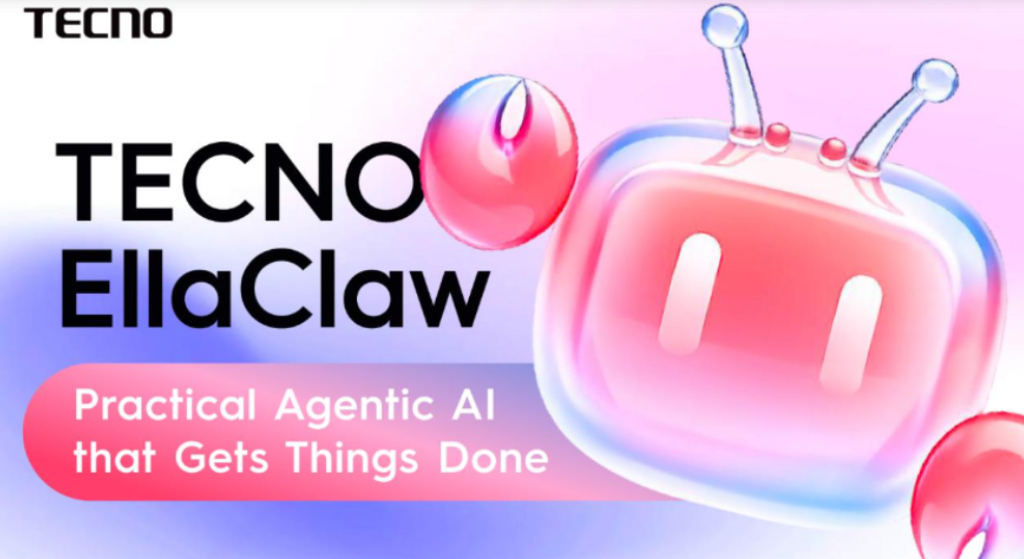
TECNO의 EllaClaw는 이러한 새로운 접근 방식이 실제 어떻게 작동할 수 있는지 보여주는 사례입니다. Ella AI 프레임워크, 오픈소스 OpenClaw 플랫폼, 그리고 Agent-to-Agent 아키텍처를 기반으로 구축된 EllaClaw는 기존의 AI 어시스턴트를 여러 애플리케이션에 걸쳐 과업을 수행할 수 있는 AI 에이전트로 변모시킵니다.
EllaClaw의 주요 기능은 다음과 같습니다:
- 교차 앱 작업 실행
- 배터리 소모, 과도한 데이터 사용, 기기 유지 관리 및 루틴 최적화를 돕는 원탭(one-tap) 휴대폰 케어테이커
TECNO 또한 단순히 AI 모델의 크기나 벤치마크 성능에만 집중하는 대신, 특히 신흥 시장에서 사용자들의 실질적인 문제를 해결하는 데 초점을 맞추고 있습니다.
Counterpoint는 스마트폰의 미래가 단순한 프롬프트 응답이 아닌, 과업을 완수할 수 있는 실용적인 AI에 있다고 믿습니다. OpenClaw와 같은 개방형 프레임워크가 널리 채택됨에 따라 에이전트 기반 AI는 프리미엄 플래그십 기기를 넘어 대중적인 스마트폰으로 확장될 것입니다. 향후 몇 년간 가장 성공적인 AI 폰은 가장 큰 모델을 탑재한 기기가 아니라, 가장 유용하고 신뢰할 수 있으며 지능적인 일상 경험을 제공하는 기기가 될 것입니다.
총평
스마트폰 시장은 단순한 답변형 AI를 넘어 사용자의 의도를 파악해 복합적인 과업을 수행하는 'Agent' 중심의 시대로 전환되고 있습니다. OpenClaw와 같은 개방형 프레임워크 및 Agent-to-Agent 통신 기술은 이러한 변화를 가속화하며, 향후 경쟁의 핵심은 모델의 크기가 아닌 실질적인 실행력과 신뢰성 있는 사용자 경험이 될 것입니다.
Evolution from AI Assistants to AI Agents
Smartphone artificial intelligence is entering a new phase. According to Counterpoint Research, the industry is moving beyond simple AI assistants that merely answer questions toward "Agent Phones," which understand user intent and automatically perform tasks. Future smartphones are expected to coordinate multiple apps and services in the background, allowing users to complete daily tasks more quickly and conveniently without having to open each app individually. This shift redefines the interaction between users and devices and will reshape the competitive landscape among smartphone brands over the coming years.
Today's AI assistants are primarily designed to respond to questions, generate text, and provide recommendations. Counterpoint reports that the next stage will be far more practical. Agent Phones are designed to understand the goals a user wants to achieve and automatically perform the necessary actions to reach those goals.
Instead of forcing users to navigate through multiple apps, these AI agents can manage entire workflows on their behalf. This transforms the smartphone from a device that simply runs apps into an intelligent operating system layer that coordinates apps and services in the background. Consequently, future competition will depend more on how reliably AI can complete real-world tasks rather than just hardware specifications.
The Role of Open Frameworks and Agent-to-Agent Communication
One of the primary drivers accelerating this change is the emergence of open "Claw" frameworks. These frameworks provide a shared execution layer that allows AI agents to understand user intent, perform multi-step tasks, and collaborate across different applications.
Counterpoint highlights OpenClaw as a leading open-source framework in this field. Because it is an open framework, smartphone manufacturers do not need to build AI agent systems from scratch. This reduces development costs and engineering complexity, enabling the delivery of advanced AI features across a wide range of smartphone price points.
Another significant advancement is Agent-to-Agent (A2A) communication. Rather than relying on a single AI assistant, multiple AI agents can communicate with each other, share information, and divide responsibilities to coordinate workflows.
This approach helps break down traditional app boundaries, allowing various services to collaborate more seamlessly. As a result, users spend less time manually managing apps, enjoying a smoother experience as the smartphone handles routine tasks automatically.
Changing Smartphone Competition and the Case of TECNO
Counterpoint analyzes that the smartphone industry has entered a new stage where "AI execution" is more important than individual AI features or benchmark scores. Future devices will compete based on factors such as task performance quality, context understanding, ecosystem integration, intelligent automation, and overall reliability.
Research indicates two paths toward agentification: internet companies are likely to build AI agents centered around existing app ecosystems, while smartphone manufacturers are expected to introduce system-native AI agents integrated directly into the OS for deeper control over device functions and cross-app interactions.
TECNO's EllaClaw serves as a prime example of how this new approach can function in practice. Built upon the Ella AI framework, the open-source OpenClaw platform, and Agent-to-Agent architecture, EllaClaw transforms traditional AI assistants into AI agents capable of performing tasks across multiple applications.
Key features of EllaClaw include:
- Cross-app task execution
- A one-tap phone caretaker to assist with battery consumption, excessive data usage, device maintenance, and routine optimization
TECNO is also focusing on solving practical problems for users—particularly in emerging markets—rather than focusing solely on the size of AI models or benchmark performance.
Counterpoint believes the future of smartphones lies in practical AI capable of completing tasks rather than simple prompt responses. As open frameworks like OpenClaw gain wider adoption, agent-based AI will expand beyond premium flagship devices to mainstream smartphones. In the coming years, the most successful AI phones will not be those with the largest models, but those that provide the most useful, reliable, and intelligent everyday experiences.
Summary
The smartphone market is shifting from reactive AI assistants toward "Agent" systems that proactively execute complex tasks based on user intent. Technologies such as OpenClaw and Agent-to-Agent communication are accelerating this transition, moving the competitive focus from raw model size to practical execution and reliable user experiences.
AIアシスタントからAIエージェントへの進化
スマートフォンの人工知能技術は新たな段階へと突入しています。Counterpoint Researchによると、業界は単に質問に答えるだけの「AIアシスタント」を超え、ユーザーの意図を把握しタスクを自動的に遂行する「Agent Phones」へと移行しています。次世代のスマートフォンは、ユーザーが個々のアプリを開く必要がなく、バックグラウンドで複数のアプリやサービスを調整し、日常的な業務をより迅速かつ便利に処理することが期待されています。この変化は、ユーザーとデバイス間の相互作用のあり方を再定義し、今後数年間のスマートフォンブランド間の競争構図を変えることになります。
現在のAIアシスタントは主に質問への回答、テキスト生成、推奨事項の提供を目的として設計されています。Counterpointは、次なる段階はより実用的になると予測しています。Agent Phonesは、ユーザーが達成しようとする目標を理解し、必要なアクションを自動的に実行するように設計されます。
これらのAIエージェントは、ユーザーに複数のアプリ間を移動させる代わりに、ユーザーに代わってワークフロー全体を管理します。これはスマートフォンを単にアプリを実行するデバイスから、バックグラウンドでアプリとサービスを調整するインテリジェントなOSレイヤーへと変貌させます。結果として、将来の競争はハードウェアの仕様よりも、AIが現実世界のタスクをどれほど信頼性高く遂行できるかに大きく左右されることになります。
オープンなフレームワークとAgent-to-Agent通信の役割
この変化を加速させる大きな要因の一つは、オープンな「Claw」フレームワークの登場です。このフレームワークは、AIエージェントがユーザーの意図を把握し、多段階のタスクを実行し、異なるアプリケーション間で連携するための共有実行レイヤーを提供します。
Counterpointは、この分野においてOpenClawを主要なオープンソースフレームワークとして強調しています。このフレームワークが公開されているため、スマートフォンメーカーはAIエージェントシステムをゼロから構築する必要がありません。これにより開発コストとエンジニアリングの複雑さが軽減され、幅広い価格帯のスマートフォンでも高度なAI機能を提供することが可能になります。
もう一つの重要な進展はAgent-to-Agent(A2A)通信です。単一のAIアシスタントに依存するのではなく、複数のAIエージェントが互いに通信し、情報を共有し、責任を分担しながらワークフローを調整できます。
このアプローチは既存のアプリの境界を取り払い、さまざまなサービスがよりスムーズに連携するのを助けます。その結果、ユーザーは手動でアプリを管理する時間を削減でき、スマートフォンがルーチンなタスクを処理することで、よりシームレスな体験を得られるようになります。
変化するスマートフォンの競争構図とTECNOの事例
Counterpointは、スマートフォン産業が単一のAI機能やベンチマークスコアよりも「AIの実行力」が重要視される新しい段階に入ったと分析しています。将来のデバイスは、タスク遂行の質、文脈の理解度、エコシステムの統合、インテリジェントな自動化、そして総合的な信頼性といった要素で競われることになります。
調査結果は、エージェント化(agentification)に向けた2つの経路を示しています。インターネット企業は既存のアプリエコシステムを中心にAIエージェントを構築する可能性が高く、スマートフォンメーカーはデバイス機能とクロスアプリの相互作用に対してより深い制御を行うため、OSに直接統合されたシステムネイティブなAIエージェントを採用すると予想されます。
TECNOのEllaClawは、この新しいアプローチが実際にどのように機能するかを示す事例です。Ella AIフレームワーク、オープンソースのOpenClawプラットフォーム、およびAgent-to-Agentアーキテクチャに基づき構築されたEllaClawは、従来のAIアシスタントを複数のアプリケーションにわたってタスクを実行できるAIエージェントへと変貌させます。
EllaClawの主な機能は以下の通りです:
- クロスアプリでのタスク実行
- バッテリー消費、過度なデータ使用、デバイスメンテナンス、およびルーチンの最適化を支援するワンタップ(one-tap)フォンケアテイカー
TECNOもまた、単にAIモデルのサイズやベンチマーク性能にのみ焦点を当てるのではなく、特に新興市場においてユーザーの実質的な問題を解決することに注力しています。
Counterpointは、スマートフォンの未来が単純なプロンプトへの回答ではなく、タスクを完遂できる実用的なAIにあると信じています。OpenClawのようなオープンなフレームワークが広く採用されるにつれ、エージェントベースのAIはプレミアムフラッグシップ機を超えて普及型スマートフォンへと拡大するでしょう。今後数年間、最も成功するAIフォンは、最大モデルを搭載したデバイスではなく、最も有用で信頼でき、知的な日常体験を提供するデバイスになるでしょう。
まとめ
スマートフォンの市場は、単なる回答型AIからユーザーの意図を汲み取り複雑なタスクを実行する「エージェント」中心の時代へと移行しています。OpenClawのようなオープンフレームワークやAgent-to-Agent通信技術がこの変化を加速させ、今後の競争の鍵はモデルの規模ではなく、実用的な実行力と信頼性の高いユーザー体験に移り変わります。
Evolution from AI Assistants to AI Agents
Artificial intelligence technology within smartphones is entering a new phase. According to Counterpoint Research, the industry is moving beyond simple AI assistants that merely answer questions toward "Agent Phones" capable of understanding user intent and performing tasks automatically. Future smartphones are expected to coordinate multiple apps and services in the background, allowing users to complete daily tasks more quickly and conveniently without having to open each app individually. This shift redefines the interaction between users and devices and will reshape the competitive landscape among smartphone brands over the coming years.
Today's AI assistants are primarily designed to respond to questions, generate text, and provide recommendations. Counterpoint predicts that the next stage will be far more practical. Agent Phones are designed to understand the goals a user wants to achieve and automatically perform the necessary actions to reach those goals.
Instead of requiring users to navigate between multiple apps, these AI agents can manage entire workflows on their behalf. This transforms the smartphone from a device that simply runs apps into an intelligent operating system layer that coordinates apps and services in the background. Consequently, future competition will be driven more by how reliably AI can complete real-world tasks rather than just hardware specifications.
The Role of Open Frameworks and Agent-to-Agent Communication
One of the primary drivers accelerating this change is the emergence of open "Claw" frameworks. These frameworks provide a shared execution layer that allows AI agents to understand user intent, perform multi-step tasks, and collaborate across different applications.
Counterpoint highlights OpenClaw as a leading open-source framework in this field. Because it is an open framework, smartphone manufacturers do not need to build AI agent systems from scratch. This reduces development costs and engineering complexity, enabling the delivery of advanced AI features across smartphones at various price points.
Another significant advancement is Agent-to-Agent (A2A) communication. Rather than relying on a single AI assistant, multiple AI agents can communicate with each other, share information, share responsibilities, and coordinate workflows.
This approach helps break down existing app boundaries and allows various services to collaborate more seamlessly. As a result, users spend less time manually managing apps, enjoying a smoother experience as the smartphone handles routine tasks automatically.
Changing Smartphone Competition Landscape and the TECNO Case
Counterpoint analyzes that the smartphone industry has entered a new phase where "AI execution" is more important than single AI features or benchmark scores. Future devices will compete based on factors such as task performance quality, context understanding, ecosystem integration, intelligent automation, and overall reliability.
Research suggests two paths toward agentification: internet companies are likely to build AI agents centered around existing app ecosystems, while smartphone manufacturers are expected to introduce system-native AI agents integrated directly into the OS for deeper control over device functions and cross-app interactions.
TECNO's EllaClaw serves as a prime example of how this new approach can function in practice. Built on the Ella AI framework, the open-source OpenClaw platform, and Agent-to-Agent architecture, EllaClaw transforms traditional AI assistants into AI agents capable of performing tasks across multiple applications.
Key features of EllaClaw include:
- Execution of cross-app tasks
- A one-tap phone caretaker to assist with battery consumption, excessive data usage, device maintenance, and routine optimization
TECNO is also focusing on solving practical problems for users—particularly in emerging markets—rather than focusing solely on the size of AI models or benchmark performance.
Counterpoint believes the future of smartphones lies in practical AI that can complete tasks rather than simple prompt responses. As open frameworks like OpenClaw gain wider adoption, agent-based AI will expand beyond premium flagship devices to mainstream smartphones. Over the next few years, the most successful AI phones will not be those with the largest models, but those providing the most useful, reliable, and intelligent daily experiences.
Summary
The smartphone market is shifting from simple Q&A assistants toward "Agent" systems that can execute complex tasks across multiple apps by understanding user intent. Technologies such as OpenClaw and Agent-to-Agent communication are lowering the barrier for manufacturers to provide these features, moving the competitive focus from raw hardware specs to reliable AI execution. Ultimately, success will be defined by how effectively a device can automate routine tasks and provide a seamless, intelligent user experience.