보안 취약점 발견
IT홈에 따르면, CISPA 하이모호즈 정보 보안 센터는 6월 25일 논문을 발표했습니다. 연구 결과에 따르면 Apple의 AirDrop과 Google의 안드로이드 Quick Share 시스템에서 보안 취약점이 발견되었으며, 이는 전 세계 50억 대 이상의 iPhone 및 안드로이드 스마트폰에 영향을 미칠 수 있습니다.
취약점 원인 분석
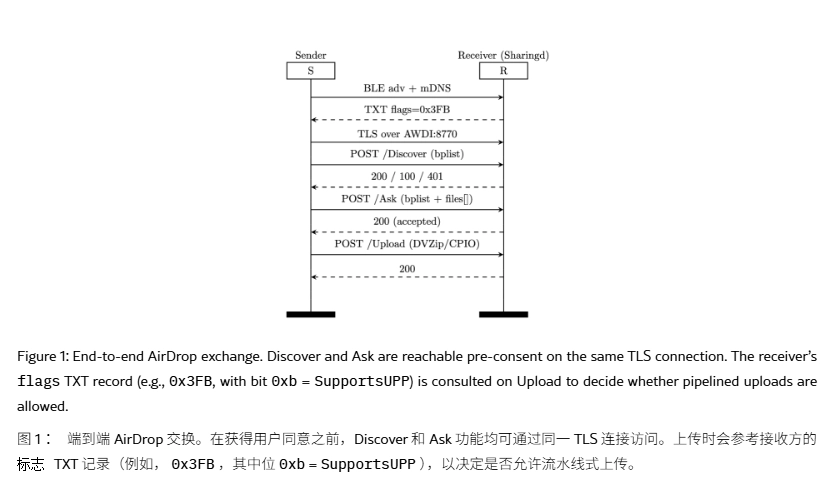
연구진은 Apple AirDrop과 Google Quick Share를 심층 분석한 결과, 두 근거리 무선 전송 시스템이 원활한 사용자 경험을 위해 높은 권한의 백그라운드 서비스로 실행되며 주변에 다른 기기가 나타날 때 즉시 활성화된다는 점을 발견했습니다. 문제는 송신자의 신원이 확인되기 전에 관련 백그라운드 프로세스가 노출된다는 것입니다.
플랫폼별 상세 내용
Apple 생태계에서는 AirDrop, AirPlay, Handoff, Universal 시스템 클립보드(Universal Clipboard) 및 연속성 카메라(Continuity Camera)를 제어하는 백그라운드 데몬 프로세스에서 취약점이 발견되었습니다. 연구에 따르면 단 한 번의 비정상적인 형식 요청만으로도 전체 시스템이 충돌할 수 있으며, 공격자가 몇 초 간격으로 동일한 유형의 요청을 반복해서 보낼 경우 관련 기능이 지속적으로 오프라인 상태가 되어 서비스 거부(DoS) 상태가 될 수 있습니다.
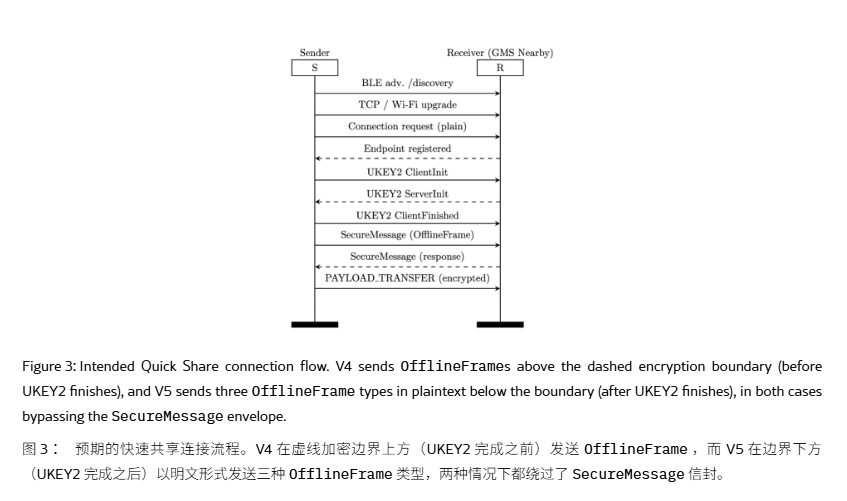
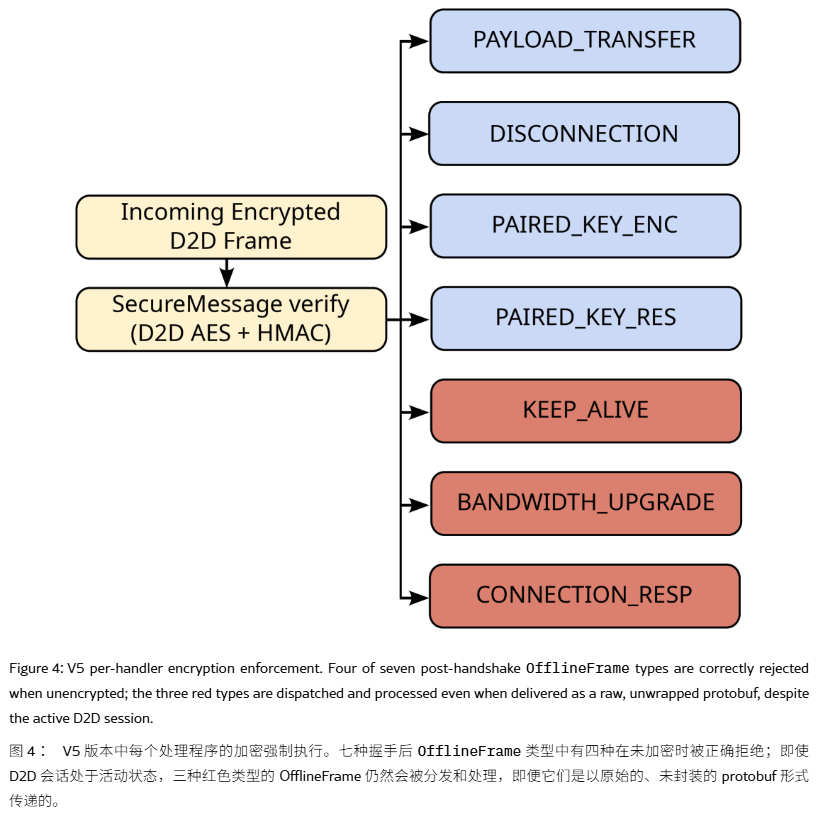
안드로이드 생태계에서는 연구진이 Samsung Galaxy S23 Ultra와 Google Windows 클라이언트를 테스트한 결과, 핵심 인증 단계를 우회할 수 있으며 Windows 클라이언트에서 메모리 손상 취약점이 발견되었습니다.
영향 및 대응
일반 사용자에게 이러한 취약점은 주로 서비스 거부(DoS) 형태로 나타나며, 데이터 전송을 방해하고 사용성 및 전송의 연속성에 직접적인 영향을 미칩니다.
조치 사항과 관련하여, 이번에 공개된 3개의 AirDrop 취약점 중 Apple은 최근 업데이트를 통해 그중 1개를 수정했으며, Google은 Windows 클라이언트에 대한 패치를 배포했습니다.
참고 자료
Protocol Prying: Systematic Vulnerability Research in the Apple AirDrop and Android Quick Share Proximity Transfer Protocols
총평
Apple의 AirDrop과 Google의 Quick Share 시스템에서 보안 취약점이 발견되어 전 세계 수십억 대의 기기가 영향을 받을 가능성이 있습니다. 해당 취약점은 주로 서비스 거부(DoS) 형태로 나타나 데이터 전송을 방해하고 사용성을 저해하며, 현재 양사는 관련 패치 및 업데이트를 배포하고 있습니다.
研究背景与影响范围
CISPA 亥姆霍兹信息安全中心于 6 月 25 日发布论文,指出 Apple 的 AirDrop 和 Google 的 Quick Share 近距离无线传输系统存在安全漏洞。该问题涉及的受影响设备数量超过全球 50 亿台 iPhone 和安卓手机。
核心技术缺陷
研究发现,为了保证传输过程的无感体验,这两套系统均采用高权限后台服务运行,并在检测到附近设备时立即唤醒。然而,在发送方身份尚未完成验证之前,相关后台进程就已经暴露,从而导致安全风险。
Apple 生态受影响范围
在 Apple 生态中,漏洞点集中在控制以下功能的后台守护进程:
- AirDrop
- AirPlay
- Handoff
- Universal Clipboard
- Continuity Camera
研究指出,单个异常请求即可导致整套系统崩溃;若攻击者持续发送同类请求,相关功能可能陷入拒绝服务(DoS)状态,影响用户数据传输的连续性。
Android 与 Google 生态受影响情况
在安卓生态测试中,研究人员针对 Samsung Galaxy S23 Ultra 手机及 Google Windows 客户端进行了测试,发现以下问题:
- 能够绕过关键认证步骤
- Google Windows 客户端存在内存破坏漏洞
修复进展情况
目前相关厂商的修复进度如下:
- Apple 在近期更新中已修复 3 个 AirDrop 漏洞中的 1 个。
- Google 已为其 Windows 客户端发布了相应的补丁。
总结
研究揭示了 Apple AirDrop 和 Google Quick Share 因追求无感体验而导致的后台服务安全缺陷,影响全球数十亿设备。虽然该漏洞主要表现为拒绝服务(DoS)并影响功能可用性,但两家厂商已开始针对相关问题发布修复补丁。
脆弱性の発見
ITホームの報道によると、CISPAハイモホーズ情報セキュリティセンターは6月25日に論文を発表しました。研究の結果、AppleのAirDropおよびGoogleのAndroid Quick Shareシステムにおいてセキュリティ上の脆弱性が発見され、世界中の50億台以上のiPhoneおよびAndroidスマートフォンに影響を及ぼす可能性があることが判明しました。
脆弱原因の分析
研究チームがApple AirDropとGoogle Quick Shareを詳細に分析した結果、両方の近距離無線転送システムはスムーズなユーザー体験を提供するために高権限のバックグラウンドサービスとして実行され、周囲に他のデバイスが現れた際に即座にアクティブになることが判明しました。問題は、送信者の身元が確認される前に、関連するバックグラウンドプロセスが露出してしまう点にあります。
プラットフォーム別の詳細
Appleエコシステムでは、以下の機能を制御するバックグラウンドデーモンプロセスにおいて脆弱性が発見されました。
- AirDrop
- AirPlay
- Handoff
- Universal Clipboard(ユニバーサルクリップボード)
- Continuity Camera(コンティニュイティカメラ)
Androidエコシステムでは、研究チームがSamsung Galaxy S23 UltraおよびGoogle Windowsクライアントをテストした結果、主要な認証ステップをバイパスできることや、Windowsクライアントにおいてメモリ破損の脆弱性が発見されました。
影響と対応
一般ユーザーにとって、これらの脆弱性は主にサービス拒否(DoS)の形で現れ、データ転送を妨害し、利便性や転送の継続性に直接的な影響を与えます。
対応策に関して、今回公開された3つのAirDropの脆弱性のうち、Appleは最近のアップデートでそのうちの1つを修正しており、GoogleはWindowsクライアント向けのパッチを配布しました。
参考文献
Protocol Prying: Systematic Vulnerability Research in the Apple AirDrop and Android Quick Share Proximity Transfer Protocols
まとめ
AppleのAirDropとGoogleのQuick Shareにおいて、世界中の数億台のデバイスに影響を及ぼす可能性のある脆弱性が発見されました。これらの問題は主にサービス拒否(DoS)として現れ、データ転送の妨害や利便性の低下を引き起こします。現在、両社はそれぞれのプラットフォームにおけるパッチおよびアップデートの配布を進めています。
Security Vulnerabilities Discovered
According to IT Home, the CISPA Hi-Moho Information Security Center published a research paper on June 25. The study revealed security vulnerabilities in Apple's AirDrop and Google's Android Quick Share systems, which could potentially affect over 5 billion iPhone and Android smartphones worldwide.
Analysis of Vulnerability Causes
An in-depth analysis of both Apple AirDrop and Google Quick Share revealed that these near-field wireless transfer systems operate as high-privilege background services to ensure a seamless user experience. These services activate immediately when other devices are detected nearby. The core issue is that these background processes are exposed before the identity of the sender can be verified.
Platform-Specific Details
In the Apple ecosystem, vulnerabilities were identified in the background daemon process controlling several features:
- AirDrop
- AirPlay
- Handoff
- Universal Clipboard
- Continuity Camera
The research indicates that a single malformed request can cause the entire system to crash. If an attacker sends repeated requests of the same type at short intervals, these features may remain offline, resulting in a Denial of Service (DoS) state.
In the Android ecosystem, researchers tested the following devices and platforms:
- Samsung Galaxy S23 Ultra
- Google Windows clients
The tests revealed that core authentication steps could be bypassed, and a memory corruption vulnerability was discovered specifically in the Windows client.
Impact and Response
For general users, these vulnerabilities primarily manifest as Denial of Service (DoS) attacks, which disrupt data transfers and directly impact usability and transmission continuity.
Regarding corrective actions, Apple has patched 1 of the 3 identified AirDrop vulnerabilities in a recent update. Additionally, Google has released a patch for its Windows client.
Reference
Protocol Prying: Systematic Vulnerability Research in the Apple AirDrop and Android Quick Share Proximity Transfer Protocols
Summary
Security flaws have been identified in both Apple's AirDrop and Google's Quick Share systems, potentially affecting billions of devices globally. These vulnerabilities primarily lead to Denial of Service (DoS) issues that disrupt data transfers and system usability. Both companies are currently issuing patches and updates to address these security concerns.
研究背景与受影响范围
CISPA 亥姆霍兹信息安全中心于 6 月 25 日发布论文,指出 Apple 的 AirDrop 和 Google 的 Quick Share 近距离无线传输系统存在安全漏洞。该问题涉及的潜在影响范围涵盖全球超过 50 亿台 iPhone 和安卓手机。
技术原理分析
研究发现,为了保证传输流程的无感体验,这两套系统均采用高权限后台服务运行。由于在发送方身份尚未完成验证前,相关的后台进程就已经暴露,从而导致了安全漏洞的产生。
各平台具体漏洞细节
- Apple 生态:漏洞涉及 AirDrop、AirPlay、Handoff、Universal Clipboard 与 Continuity Camera 的后台守护进程。单个异常请求即可导致系统崩溃,若攻击者持续发送重复请求,相关功能可能进入拒绝服务(DoS)状态。
- Android 及 Google 生态:在 Samsung Galaxy S23 Ultra 手机与 Google Windows 客户端的测试中,研究人员发现可以绕过关键认证步骤,并确认 Windows 客户端存在内存破坏漏洞。
用户影响与修复进展
对于普通用户而言,上述漏洞主要体现为拒绝服务(DoS),会导致数据传输中断或功能不可用,影响系统的可用性。在修复方面,Apple 已在近期更新中修复了 3 个 AirDrop 漏洞中的 1 个;Google 也已为其 Windows 客户端发布了相关补丁。
总结
CISPA 研究揭示了影响全球超 50 亿台设备的 AirDrop 和 Quick Share 安全漏洞,其核心原因在于后台进程在身份验证前提前暴露。这些漏洞主要导致用户端的拒绝服务(DoS)问题。目前 Apple 与 Google 已分别针对相关问题发布部分修复补丁。
脆弱性の発見
ITホームの報道によると、CISPAハイモホーズ情報セキュリティセンターは6月25日に論文を発表しました。この研究により、AppleのAirDropおよびGoogleのAndroid Quick Shareシステムにおいてセキュリティ上の脆弱性が発見され、世界中の50億台以上のiPhoneおよびAndroidスマートフォンに影響を及ぼす可能性があることが判明しました。
原因の分析
研究チームによる詳細な分析の結果、両システムの近距離無線転送機能は、スムーズなユーザー体験を提供するために高権限のバックグラウンドサービスとして実行され、周囲に他のデバイスを検知した際に即座にアクティブになる仕組みであることが判明しました。問題点は、送信者の身元が確認される前に、これらのバックグラウンドプロセスが露出してしまう点にあります。
プラットフォーム別の詳細
Appleエコシステムでは、以下の機能を制御するバックグラウンドデーモンプロセスにおいて脆弱性が特定されました。
- AirDrop
- AirPlay
- Handoff
- Universal Clipboard
- Continuity Camera
研究によれば、たった一つの異常なリクエストによってシステム全体がクラッシュする可能性があり、攻撃者が短期間に連続して同様のリクエストを送信した場合、関連機能がオフライン状態となり、サービス拒否(DoS)の状態に陥る可能性があります。
Androidエコシステムにおいては、Samsung Galaxy S23 UltraおよびGoogle Windowsクライアントを用いたテストの結果、主要な認証ステップをバイパスできることや、Windowsクライアントにおいてメモリ破損の脆弱性が確認されました。
影響と対応
一般ユーザーにとって、これらの脆弱性は主にサービス拒否(DoS)の形で現れ、データ転送の妨害や利便性、転送の継続性に直接的な影響を及ぼします。
対策に関しては、今回公開された3つのAirDropの脆弱性のうち、Appleは最近のアップデートでそのうちの1つを修正しており、GoogleはWindowsクライアント向けのパッチを配布しました。
まとめ
AppleのAirDropとGoogleのQuick Shareにおいて、世界中の数億台のデバイスに影響を及ぼす可能性のある脆弱性が発見されました。これらの問題は主にサービス拒否(DoS)として現れ、データ転送の妨害や利便性の低下を引き起こしますが、現在両社はそれぞれのプラットフォームにおけるパッチおよびアップデートの配布を進めています。
Security Vulnerabilities Discovered
According to a research paper published on June 25 by the CISPA Helmholtz Information Security Center, security vulnerabilities have been identified in both Apple's AirDrop and Google's Android Quick Share systems. These flaws could potentially affect over 5 billion iPhone and Android smartphones worldwide.
Analysis of Vulnerability Causes
An in-depth analysis revealed that both AirDrop and Quick Share utilize high-privilege background services to ensure a seamless user experience, activating immediately upon detecting nearby devices. The core issue is that these background processes are exposed before the identity of the sender can be verified.
Platform-Specific Details
In the Apple ecosystem, vulnerabilities were identified in the background daemon processes controlling several key features:
- AirDrop
- AirPlay
- Handoff
- Universal Clipboard
- Continuity Camera
The research indicates that a single malformed request can cause the entire system to crash. If an attacker sends repeated requests of the same type at short intervals, these features may remain offline, resulting in a Denial of Service (DoS) state.
In the Android ecosystem, researchers conducted tests on Samsung Galaxy S23 Ultra devices and Google Windows clients, identifying the following issues:
- The ability to bypass critical authentication steps
- A memory corruption vulnerability specifically within the Google Windows client
Impact and Response
For general users, these vulnerabilities primarily manifest as Denial of Service (DoS) attacks, which disrupt data transfers and directly impact usability and transmission continuity.
Regarding corrective actions, Apple has patched one of the three identified AirDrop vulnerabilities in a recent update. Additionally, Google has released a patch for its Windows client.
Summary
Security flaws were discovered in Apple's AirDrop and Google's Quick Share due to how high-privilege background services handle nearby device detection before identity verification. While the vulnerabilities primarily result in Denial of Service (DoS) conditions that disrupt data transfers, both companies have begun releasing patches to address these issues.