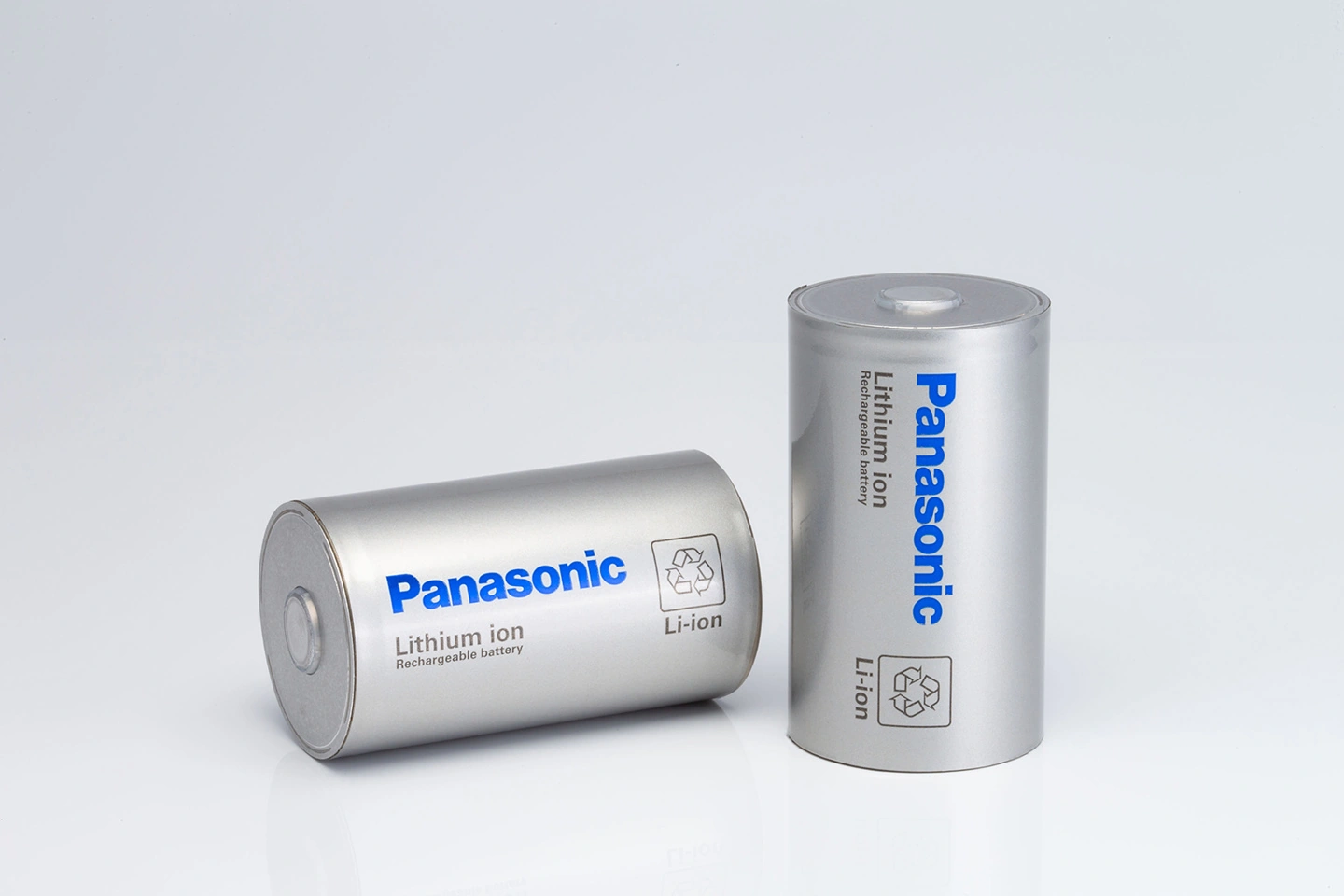
공급망 현지화 및 생산 계획
Panasonic의 최고경영자(CEO) 나나미 히로키는 로이터 통신을 통해 일본 기업인 Panasonic이 미국 내 에너지 저장 시스템 공급망 구축을 추진하고 있다고 밝혔습니다. 이와 관련하여 캔자스주 공장에서 데이터 센터용 전용 배터리 셀 생산을 계획 중입니다.
나나미 CEO는 도쿄에서 열린 라운드테이블 대화에서 "에너지 저장 시스템 고객의 대부분이 미국에 집중되어 있어, 미국 내에서 완전한 공급망을 구축하는 것이 현실적인 의미가 있다"고 설명했습니다.
시장 대응 및 생산 전략
Panasonic은 이번 달 발표를 통해 캔자스주 소재의 에너지 사업 부문 공장에서 2029년 3월 종료되는 회계연도 내에 데이터 센터용 배터리 셀을 대량 생산할 계획이라고 밝혔습니다. 해당 공장은 현재 Tesla를 위한 동력 배터리도 생산하고 있습니다.
현재 미국 전기차 시장의 수요가 약화됨에 따라, 주요 자동차 기업과 배터리 제조사들은 배터리 공장을 개조하여 에너지 저장 장치로 전환하며 인공지능(AI) 산업의 급증하는 전력 수요를 수용하고 있습니다.
배터리 기술 및 원자재
나나미 CEO는 Panasonic이 LFP 배터리를 생산할 계획은 없다고 밝혔습니다. 그는 LFP 배터리가 회사의 주력 제품인 분산형 에너지 저장 장치 개발 방향과 부합도가 낮다고 덧붙였습니다.
분산형 장치는 단일 서버의 전력 피크를 조절하는 데 사용되는 반면, LFP 배터리는 대규모 집중형 백업 에너지 시나리오에 더 적합하기 때문입니다. 또한 나나미 CEO는 중-일 관계가 긴장된 상황임에도 불구하고 Panasonic이 중국산 원자재 공급 부족 문제에 직면하지 않았다고 언급했습니다.
총평
Panasonic은 미국 내 데이터 센터 수요 대응을 위해 캔자스 공장을 기반으로 한 에너지 저장 시스템(ESS) 공급망 현지화를 추진합니다. AI 산업의 전력 수요 증가에 맞춰 분산형 장치 생산에 집중하고 있으며, 현재로서는 LFP 배터리 생산 계획은 포함하지 않고 있습니다.
美国供应链布局
Panasonic 计划推进储能系统在美国的供应链本土化。公司宣布位于堪萨斯州的工厂将在 2029 年 3 月结束的财年内,开始批量生产专供数据中心使用的电芯。该工厂目前同时也为特斯拉提供动力电池。
市场转型与需求驱动
由于美国电动汽车市场需求疲软,Panasonic 等电池企业正调整策略,将部分产能转向储能设备,以应对人工智能(AI)产业带来的激增电力需求。
技术路线选择
关于电池技术的具体规划如下:
- LFP 电池: Panasonic 表示暂无生产磷酸铁锂(LFP)电池的计划。
- **匹配度考量: LFP 电池更适用于大型集中式后备储能场景,而 Panasonic 主打的分布式储能设备旨在平衡单台服务器的用电峰值,两者在产品定位上匹配度较低。
- 供应链现状: 尽管中日关系紧张,但目前并未面临中国原材料供货短缺问题。
总结
Panasonic 正通过在堪萨斯州建立本土生产线,将业务重心从电动汽车电池转向满足 AI 数据中心需求的储能系统。公司明确了避开 LFP 电池、专注于高匹配度分布式储能技术的战略路径。
サプライチェーンの現地化と生産計画
Panasonicの最高経営責任者(CEO)であるナナミ・ヒロキ氏は、ロイター通信に対し、同社が米国国内でエネルギー貯蔵システム(ESS)のサプライチェーン構築を進めていることを明らかにしました。これに関連し、カンザス州の工場においてデータセンター専用のバッテリーセル生産を計画しています。
ナナミCEOは東京で開催されたラウンドテーブルでの対話において、「エネルギー貯蔵システムの顧客の大部分が米国に集中しているため、米国国内で完全なサプライチェーンを構築することは現実的な意味がある」と説明しました。
市場への対応と生産戦略
Panasonicは今月の発表を通じて、カンザス州のエネルギー事業部門の工場において以下の計画を発表しました。
- 2029年3月終了の会計年度内におけるデータセンター用バッテリーセルの量産
- 同工場では現在、Tesla向けの動力バッテリーも生産している
現在、米国における電気自動車(EV)市場の需要が減退する中、主要な自動車メーカーやバッテリーメーカーは、バッテリー工場の転換を進めています。これらの施設をエネルギー貯蔵装置へと転換することで、人工知能(AI)産業の急増する電力需要に対応しています。
バッテリー技術と原材料
ナナミCEOは、PanasonicがLFPバッテリーを生産する計画はないと明かしました。同氏は、LFPバッテリーが自社の主力製品である分散型エネルギー貯蔵装置の開発方向と合致しないためであると付け加えました。
技術的な特性の違いについては、以下のように述べています。
- 分散型装置:単一サーバーの電力ピークを調整するために使用される
- LFPバッテリー:大規模な集中型バックアップエネルギーシナリオに適している
また、ナナミCEOは中日関係が緊張している状況下においても、Panasonicは中国産原材料の供給不足問題に直面していないと述べました。
まとめ
Panasonicは、米国におけるデータセンター需要に対応するため、カンザス州の工場を拠点としたエネルギー貯蔵システム(ESS)のサプライチェーン現地化を推進します。AI産業の電力需要増加を見据え、分散型装置の生産に注力する一方で、現時点ではLFPバッテリーの生産計画は含めていません。
Supply Chain Localization and Production Plans
Panasonic CEO Hiroki Nanami told Reuters that the Japanese company is pushing to establish a domestic supply chain for energy storage systems (ESS) in the United States. Specifically, they plan to produce battery cells dedicated to data centers at their Kansas facility.
During a roundtable discussion in Tokyo, Nanami explained: "Since most of our energy storage system customers are concentrated in the U.S., establishing a complete supply chain within the country makes practical sense."
Market Response and Production Strategy
Panasonic announced this month that its Kansas-based energy business plant will begin mass-producing battery cells for data centers by the end of the fiscal year ending March 2029. This facility currently produces power batteries for Tesla.
As demand in the U.S. electric vehicle (EV) market weakens, major automakers and battery manufacturers are repurposing battery plants to produce energy storage devices to meet the surging power demands of the artificial intelligence (AI) industry.
Battery Technology and Raw Materials
CEO Nanami stated that Panasonic has no plans to produce LFP batteries, as they do not align with the company's focus on developing distributed energy storage systems.
- Distributed devices are used to manage power peaks for individual servers.
- LFP batteries are better suited for large-scale centralized backup scenarios.
Furthermore, Nanami noted that despite strained China-Japan relations, Panasonic has not faced shortages regarding Chinese raw materials.
Summary
Panasonic is localizing its energy storage system (ESS) supply chain in the U.S. to address the massive power demands of data centers driven by the AI industry. The company will focus on producing distributed energy devices at its Kansas facility and has opted not to produce LFP batteries, which are better suited for centralized backup systems.
美国供应链布局与目标市场
Panasonic首席执行官楠见雄规表示,公司正推进储能系统在美国的供应链本土化。其核心战略是利用位于堪萨斯州的工厂生产电芯,以满足数据中心日益增长的电力需求。
- 生产基地:美国堪萨斯州工厂(该厂目前也为特斯拉生产动力电池)。
- 目标产品:专供数据中心使用的电芯。
- 量产计划:预计在2029年3月结束的财年内实现批量生产。
市场转型与技术路线选择
受电动汽车市场需求疲软影响,Panasonic正调整产能布局,转向支持人工智能产业带来的电力需求。在电池技术的具体选择上,公司有明确的战略定位:
- 核心方向:专注于分布式储能设备,用于平衡单台服务器的用电峰值。
- LFP电池立场:目前无生产磷酸铁锂(LFP)电池的计划。
- 技术判断:由于LFP更适用于大型集中式后备场景,与公司主打的分布式储能产品匹配度较低。
供应链稳定性
尽管当前中日关系处于紧张状态,但楠见雄杆表示,Panasonic目前并未面临来自中国原材料的供货短缺问题。
总结
Panasonic正通过在堪萨斯州工厂生产电芯来推动美国储能供应链本土化,旨在满足人工智能驱动的数据中心电力需求。公司明确将技术重点放在分布式储能领域,并因产品匹配度原因暂不采用磷酸铁锂(LFP)电池。
サプライチェーンの現地化と生産計画
Panasonicの最高経営責任者(CEO)であるナナミ・ヒロキ氏は、ロイター通信に対し、同社が米国国内でエネルギー貯蔵システム(ESS)のサプライチェーン構築を推進していることを明らかにしました。これに関連し、カンザス州の工場においてデータセンター専用のバッテリーセル生産を計画しています。
ナナミCEOは東京で開催されたラウンドテーブルでの対話において、「エネルギー貯蔵システムの顧客の大部分が米国に集中しているため、米国国内で完全なサプライチェーンを構築することは現実的な意味がある」と説明しました。なお、当該のカンザス州工場は現在、Tesla向けの動力バッテリーも生産しています。
市場動向への対応と戦略
現在、米国における電気自動車(EV)市場の需要が減退する中、Panasonicを含む主要なバッテリーメーカーは戦略を調整しています。同社は一部の生産能力をエネルギー貯蔵装置へと転換することで、人工知能(AI)産業の急増に伴う電力需要への対応を図っています。
具体的には、カンザス州の工場において、2029年3月終了の会計年度内にデータセンター向けバッテリーセルの量産を開始する計画です。
技術選定と原材料の動向
Panasonicは、LFP(リン酸鉄リチウム)バッテリーを生産する計画はないことを明言しています。その理由は以下の通りです。
- 製品特性の不一致: LFPバッテリーは大規模な集中型バックアップエネルギーのシナリオに適しているのに対し、同社が主軸とする分散型エネルギー貯蔵装置は、単一サーバーの電力ピークを調整するために使用されるため、両者の製品定位における適合性が低いと判断しています。
- 原材料供給の現状: 日中関係の緊張があるものの、現時点で中国産原材料の供給不足問題には直面していないと述べています。
まとめ
Panasonicは、米国でのAIデータセンター需要に対応するため、カンザス州の拠点を活用したエネルギー貯蔵システム(ESS)のサプライチェーン現地化を進めています。同社はLFPバッテリーを避け、特定の用途に最適化された分散型エネルギー貯蔵技術に注力する戦略的な方針を明確にしています。
Supply Chain Localization and Production Plans
Panasonic CEO Hiroki Nanami revealed to Reuters that the company is moving forward with establishing a localized supply chain for energy storage systems (ESS) within the United States. As part of this initiative, Panasonic plans to produce battery cells specifically designed for data centers at its manufacturing facility in Kansas.
During a roundtable discussion held in Tokyo, Nanami explained that "since the majority of energy storage system customers are concentrated in the U.S., it makes practical sense to establish a complete supply chain within the country."
Market Response and Production Strategy
Panasonic announced that its Kansas-based energy business facility will begin mass-producing battery cells for data centers by the end of the fiscal year ending March 2029. This specific plant currently produces power batteries for Tesla.
As demand in the U.S. electric vehicle (EV) market weakens, major automakers and battery manufacturers are repurposing production lines into energy storage systems to accommodate the surging electricity demands driven by the artificial intelligence (AI) industry.
Battery Technology and Raw Materials
CEO Nanami stated that Panasonic has no plans to produce LFP batteries. He noted that LFP technology does not align with the company's strategic direction for developing distributed energy storage systems.
- LFP vs. Distributed Systems: While LFP batteries are more suitable for large-scale, centralized backup scenarios, Panasonic’s distributed devices are intended to manage power peaks for individual servers.
- Raw Material Supply: Despite tensions in China-Japan relations, Nanami noted that Panasonic has not faced issues regarding the supply of raw materials from China.
Summary
Panasonic is localizing its energy storage system (ESS) supply chain in the U.S. to meet the growing power demands of AI data centers through its Kansas production site. The company is focusing on distributed storage technologies and has explicitly stated it will not be pursuing LFP battery production for these applications.
美国供应链本土化布局
Panasonic 电器首席执行官楠见雄规表示,公司正推动储能系统在美国的供应链本土化。核心目标是利用位于堪萨斯州的工厂生产专门供数据中心使用的电芯。
- 生产时间:计划在 2029 年 3 月结束的财年内开始批量生产。
- 现有功能:该工厂目前同时为 Tesla 生产动力电池。
市场转型与技术选择
受美国电动汽车市场需求疲软影响,Panasonic 等企业正转向满足人工智能产业激增的电力需求。在产品路线选择上,公司明确了以下立场:
- LFP 电池计划:目前暂无生产磷酸铁锂(LFP)电池的计划。
- 技术匹配度:由于 Panasonic 主打的分布式储能设备用于平衡单台服务器的用电峰值,而 LFP 更适用于大型集中式后备场景,因此两者匹配度较低。
- 供应链保障:尽管中日关系紧张,但目前并未面临中国原材料供货短缺问题。
总结
Panasonic 计划在堪萨斯州工厂生产用于数据中心的电芯,以应对 AI 带来的电力需求增长。公司将专注于与分布式储能匹配的高性能技术,而非磷酸铁锂(LFP)电池。
サプライチェーンの現地化と生産計画
Panasonicの最高経営責任者(CEO)であるナナミ・ヒロキ氏は、ロイター通信に対し、同社が米国国内でエネルギー貯蔵システム(ESS)のサプライチェーン構築を推進していることを明らかにしました。これに関連し、カンザス州の工場においてデータセンター専用のバッテリーセル生産を計画しています。
ナナミCEOは東京で開催されたラウンドテーブルでの対話において、「エネルギー貯蔵システムの顧客の大部分が米国に集中しているため、米国国内で完全なサプライチェーンを構築することは現実的な意味がある」と説明しました。なお、同カンザス州の工場では現在、Tesla向けの動力バッテリーも生産されています。
市場動向への対応と戦略
米国における電気自動車(EV)市場の需要が減退する中、Panasonicを含む主要なバッテリーメーカーは戦略を調整しています。同社は、人工知能(AI)産業による急増する電力需要に対応するため、既存のバッテリー工場の設備をエネルギー貯蔵装置へと転換する動きを見せています。
技術選定と原材料の状況
ナナミCEOは、PanasonicがLFPバッテリーを生産する計画はないことを明かしました。同氏は、LFPバッテリーが自社の主力製品である分散型エネルギー貯蔵装置の開発方向と合致しないためであると付け加えました。
技術的な特性の違いについては、以下のように述べています。
- 分散型装置:単一サーバーの電力ピークを調整するために使用される。
- LFPバッテリー:大規模な集中型バックアップエネルギーシナリオに適している。
また、ナナミCEOは中日関係が緊張している状況下においても、Panasonicは中国産原材料の供給不足問題に直面していないと述べています。
まとめ
PanasonicはAIデータセンター向けの電力需要に対応するため、米国カンザス州の工場を活用したエネルギー貯蔵システム(ESS)のサプライチェーン現地化を進めます。同社は分散型エネルギー貯蔵に注力する戦略をとっており、製品特性の不一致からLFPバッテリーの採用は見送っています。また、地政学的リスクがあるものの、現時点で中国産原材料の供給不足には直面していません。
Supply Chain Localization and Production Plans
Panasonic CEO Hiroki Nanami told Reuters that the company is pushing to establish a domestic supply chain for energy storage systems (ESS) in the United States. Specifically, Panasonic plans to produce battery cells dedicated to data centers at its manufacturing facility in Kansas.
During a roundtable discussion in Tokyo, Nanami explained that because the majority of their ESS customers are concentrated in the U.S., establishing a complete domestic supply chain is a practical and necessary move for the company.
Market Response and Production Strategy
Panasonic announced this month that its Kansas-based energy business plant will begin mass-producing battery cells for data centers by the end of the fiscal year ending March 2029. This facility currently also produces power batteries for Tesla.
As demand in the U.S. electric vehicle (EV) market weakens, major automakers and battery manufacturers are repurposing production lines to create energy storage devices. This shift is intended to meet the surging electricity demands driven by the artificial intelligence (AI) industry.
Battery Technology and Raw Materials
CEO Nanami stated that Panasonic has no plans to produce LFP batteries, as they do not align with the company's strategic focus on developing distributed energy storage systems. The distinction between the two technologies is based on their specific applications:
- Distributed devices: Used to manage power peaks for individual servers.
- LFP batteries: Better suited for large-scale, centralized backup energy scenarios.
Furthermore, Nanami noted that despite strained China-Japan relations, Panasonic has not faced any issues regarding the supply of Chinese raw materials.
Summary
Panasonic is localizing its energy storage system (ESS) supply chain in the U.S. to address the massive power demands of data centers driven by the AI industry. The company will focus on producing distributed energy devices at its Kansas facility and has opted not to produce LFP batteries, as they are better suited for large-scale centralized backup systems.