기술 도입 계획
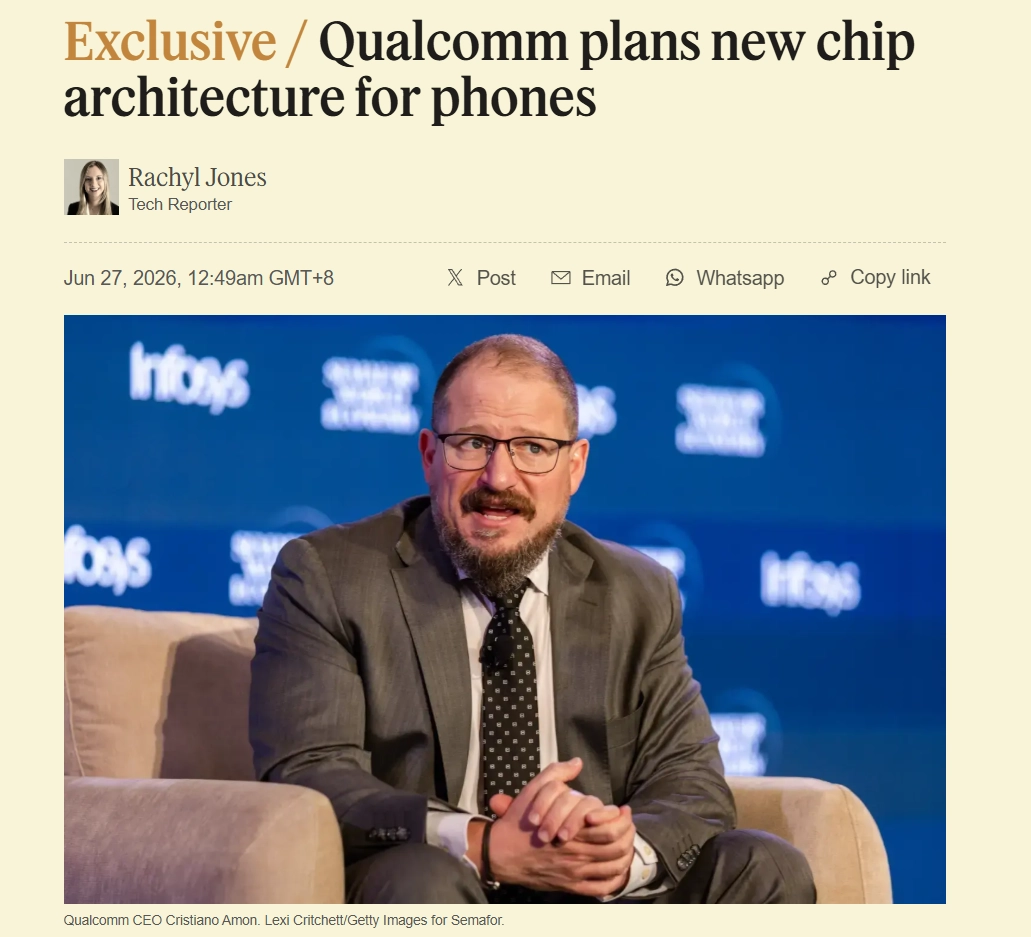
Qualcomm의 부사장 Durga Malladi는 Semafor와의 인터뷰에서 데이터 센터용으로 개발된 새로운 칩 기술을 스마트폰에 적용하여 모바일 기기에서의 AI 성능을 개선할 계획이라고 밝혔습니다.
협력 및 아키텍처
Qualcomm은 이번 주 데이터 센터 칩 시장 진출을 발표했으며, Malladi는 "데이터 센터에서 시작된 기술이 여기서 멈추지 않을 것"이라고 언급했습니다. 현재 Qualcomm은 스마트폰, PC 및 자동차 제조업체와 새로운 데이터 센터 기술 제품군의 특정 부분에 대해 논의를 진행하고 있습니다.
Qualcomm의 고대역폭 컴퓨팅(High Bandwidth Compute) 아키텍처는 칩을 수직으로 적층하는 방식을 채택하여 메모리와 연산 칩 사이의 거리를 좁히고, 이를 통해 데이터 전송 속도와 효율성을 크게 향상시킵니다.
출시 일정 및 전망
이 아키텍처의 첫 번째 제품은 내년에 데이터 센터에 출시될 예정이며, 관련 칩은 2028년부터 상용화될 계획입니다. Malladi는 이 기술이 다른 기기에 도입되는 시점에 대해서는 밝히지 않았습니다.
칩 수직 적층은 새로운 개념은 아니지만 지금까지 주로 데이터 센터 분야에서 활용되어 왔습니다. Semafor에 따르면, 이러한 아키텍처가 모바일 기기에 적용될 경우 사용자는 더 많은 AI 모델을 로컬에서 실행할 수 있으며, 배터리 소모에 큰 영향을 주지 않으면서 '상시 온라인' 상태의 AI 에이전트를 사용할 수 있게 됩니다.
총평
Qualcomm은 데이터 센터용 고대역폭 컴퓨팅 기술을 스마트폰 등 모바일 기기에 도입하여 AI 성능을 강화할 계획입니다. 이 기술은 칩 수직 적량를 통해 데이터 전송 효율을 높이며, 이를 통해 배터리 소모를 최소화하면서도 로컬 기반의 강력한 AI 기능을 제공하는 것을 목표로 합니다.
跨领域技术融合
Qualcomm 执行副总裁 Durga Malladi 表示,公司计划将为数据中心打造的新芯片技术应用于智能手机、个人电脑以及汽车制造。此举旨在利用高性能架构提升移动设备上 AI 的运行效果。
核心架构与技术规格
Qualcomm 推出的“高带宽计算”(High Bandwidth Compute)架构通过垂直堆叠芯片的方式,缩短内存与计算芯片的距离,从而显著提升数据传输速度与效率。
- 核心技术:高带宽计算(High Bandwidth Compute)架构。
- 关键特性:采用垂直堆叠芯片技术。
- 首代产品计划:预计于明年在数据中心推出。
- 商用时间线:相关芯片预计将于 2028 年投入商用。
移动端 AI 应用前景
若该架构成功下放到移动设备,将支持用户在本地运行更多复杂的 AI 模型,并实现“全天在线”的 AI 智能体功能,同时确保不会对耗电量产生明显影响。
总结
Qualcomm 计划将用于数据中心的高带宽计算技术引入移动端、PC 及汽车领域。该技术通过垂直堆叠芯片提升传输效率,旨在让移动设备能够更高效地运行本地 AI 模型并降低功耗。
技術導入計画
Qualcommの副社長であるDurga Malladi氏は、Semaforとのインタビューにおいて、データセンター向けに開発された新しいチップ技術をスマートフォンに適用し、モバイルデバイスにおけるAI性能を向上させる計画があることを明らかにしました。
協力とアーキテクチャ
Qualcommは今週、データセンター用チップ市場への参入を発表しました。Malladi氏は「データセンターで始まった技術がここで止まることはない」と述べています。現在、Qualcommはスマートフォン、PC、および自動車メーカーと、新しいデータセンター向け技術製品群の特定のセクションについて協議を進めています。
Qualcommのハイバンド幅コンピューティング(High Bandwidth Compute)アーキテクチャは、チップを垂直に積層する方式を採用しています。これによりメモリと演算チップの間の距離を縮め、データ転送速度と効率性を大幅に向上させます。
リリーススケジュールと展望
このアーキテクチャの最初の製品は来年、データセンター向けにリリースされる予定であり、関連するチップは2028年から商用化される計画です。Malladi氏は、この技術が他のデバイスに導入される具体的な時期については言及していません。
チップの垂直積層は新しい概念ではありませんが、これまで主にデータセンター分野で活用されてきました。Semaforの報道によると、このアーキテクチャがモバイルデバイスに適用された場合、ユーザーはより多くのAIモデルをローカルで実行できるようになり、バッテリー消費に大きな影響を与えることなく「常時オンライン」なAIエージェントを利用することが可能になります。
まとめ
Qualcommはデータセンター向けのハイバンド幅コンピューティング技術をスマートフォンなどのモバイルデバイスに導入し、AI性能を強化する計画です。この技術はチップの垂直積層によってデータ転送効率を高めるもので、バッテリー消費を抑えつつローカルベースで強力なAI機能を提供することを目指しています。
Technology Implementation Plan
Qualcomm Vice President Durga Malladi revealed in an interview with Semafor that the company plans to integrate new chip technologies originally developed for data centers into smartphones to enhance AI performance on mobile devices.
Collaboration and Architecture
Qualcomm announced its entry into the data center chip market this week. Malladi noted, "Technology that begins in the data center will not stop there." Qualcomm is currently in discussions with manufacturers across various sectors regarding specific components of its new data center technology suite:
- Smartphone manufacturers
- PC manufacturers
- Automotive manufacturers
Qualcomm's High Bandwidth Compute architecture utilizes a vertical stacking method for chips to reduce the distance between memory and compute chips, significantly improving data transfer speeds and efficiency.
Release Schedule and Outlook
The roadmap for this technology includes the following milestones:
- First product launch: Next year (Data centers)
- Commercialization of related chips: Starting in 2028
Malladi did not specify the exact timeline for when this technology will be integrated into other devices. While vertical chip stacking is not a new concept, it has primarily been utilized in the data center sector until now. According to Semafor, if this architecture is applied to mobile devices, users will benefit from:
- The ability to run more AI models locally.
- "Always-on" AI agents without significant impact on battery consumption.
Summary
Qualcomm plans to enhance mobile AI performance by adopting high-bandwidth compute technology originally designed for data centers. By utilizing vertical chip stacking to improve data transfer efficiency, the company aims to provide powerful local AI capabilities while minimizing power consumption.
技术跨界应用
Qualcomm 执行副总裁 Durga Malladi 表示,公司计划将为数据中心打造的新芯片技术引入智能手机。此项技术的目的是为了让 AI 在移动设备上运行得更加高效。
核心架构与产品路线
该技术基于 Qualcomm 的“高带宽计算”(High Bandwidth Compute)架构。该架构采用垂直堆叠芯片的方式,使内存与计算芯片物理距离更近,从而显著提升数据传输速度与效率。
- 第一代产品预计于明年在数据中心推出。
- 相关芯片计划于 2028 年投入商用。
- 目标合作领域涵盖智能手机、个人电脑(PC)以及汽车制造商。
移动端 AI 体验提升
一旦该架构成功下放到移动设备,将为用户带来以下核心优势:
- 能够在本地运行更多复杂的 AI 模型。
- 支持以“全天在线”的方式使用 AI 智能体。
- 在不显著增加耗电量的同时提升性能。
总结
Qualcomm 计划将用于数据中心的高带宽计算(High Bandwidth Compute)垂直堆叠技术引入移动端,旨在增强智能手机、PC 及汽车的 AI 处理能力。该技术的商用目标为 2028 年,核心目的是在不显著增加功耗的前提下,让用户能够更流畅地在本地运行复杂的 AI 模型。
技術導入計画
Qualcommの副社長であるDurga Malladi氏は、Semaforとのインタビューにおいて、データセンター向けに開発された新しいチップ技術をスマートフォンに適用し、モバイルデバイスにおけるAI性能を向上させる計画があることを明らかにしました。
協力とアーキテクチャ
Qualcommは今週、データセンター用チップ市場への参入を発表しました。Malladi氏は「データセンターで始まった技術がここで止まることはない」と述べています。現在、Qualcommはスマートフォン、PC、および自動車メーカーと、新しいデータセンター向け技術製品群の特定セクションについて協議を進めています。
Qualcommの「High Bandwidth Compute(高帯域幅コンピューティング)」アーキテクチャは、チップを垂直に積層する手法を採用することで、メモリと演算チップ間の距離を短縮し、データ転送速度と効率を大幅に向上させます。
リリーススケジュールと展望
このアーキテクチャの第一弾製品は来年、データセンター向けに発表される予定で、関連するチップは2028年から商用化される計画です。Malladi氏は、この技術が他のデバイスに導入される具体的な時期については明かしていません。
チップの垂直積層は新しい概念ではありませんが、これまで主にデータセンター分野で活用されてきました。Semaforの報道によれば、このアーキテクチャがモバイルデバイスに適用された場合、ユーザーはより多くのAIモデルをローカルで実行でき、バッテリー消費に大きな影響を与えることなく「常時オンライン」のAIエージェントを利用できるようになります。
技術仕様のまとめ
- コア技術:High Bandwidth Computeアーキテクチャ
- 主要な特徴:チップの垂直積層によるデータ転送効率の向上
- 初製品の展開:来年、データセンター向けに投入予定
- 商用化のタイムライン:関連チップは2028年から商用化へ
まとめ
Qualcommは、データセンター向けに開発した「High Bandwidth Compute」技術をスマートフォンやPC、自動車などのモバイル分野へ展開する計画です。この技術により、チップの垂直積層によってデータ転送効率が向上し、消費電力を抑えながら高度なAIモデルをローカルで実行することが可能になります。
Technology Integration Plans
Qualcomm Vice President Durga Malladi revealed in an interview with Semafor that the company plans to apply new chip technologies developed for data centers to smartphones to enhance AI performance on mobile devices.
Collaboration and Architecture
Qualcomm announced its entry into the data center chip market this week, and Malladi noted, "Technology that starts in the data center won't stop there." Qualcomm is currently in discussions with smartphone, PC, and automotive manufacturers regarding specific segments of this new data center technology suite.
Qualcomm's High Bandwidth Compute architecture employs a method of vertically stacking chips to shorten the distance between memory and compute chips. This approach significantly improves both data transfer speeds and overall efficiency.
Technical Specifications
- Core Technology: High Bandwidth Compute architecture
- Key Feature: Vertical chip stacking technology
- First Generation Product: Expected to launch in data centers next year
- Commercial Timeline: Related chips are expected to enter commercial use starting in 2028
Mobile AI Outlook
If this architecture is successfully integrated into mobile devices, it will enable users to run more complex AI models locally. This would allow for "always-on" AI agents that do not significantly impact battery consumption.
Summary
Qualcomm plans to bring its data center-grade High Bandwidth Compute technology to the mobile, PC, and automotive sectors to bolster on-device AI capabilities. By utilizing vertical chip stacking to improve data transfer efficiency, the company aims to provide powerful local AI features while minimizing power consumption.
Qualcomm 技术跨界应用
Qualcomm 执行副总裁 Durga Malladi 表示,公司计划将为数据中心打造的新芯片技术引入智能手机、个人电脑以及汽车领域。此举旨在利用这些新技术提升移动设备上运行 AI 的性能。
核心架构与技术细节
Qualcomm 推出的“高带宽计算”(High Bandwidth Compute)架构是此次技术转化的核心,其主要特征包括:
- 采用垂直堆叠芯片的结构。
- 通过让内存与计算芯片物理位置更接近,显著提升数据传输速度与效率。
产品路线图与预期影响
关于该技术的落地时间及预期效果如下:
- 第一代产品预计于明年进入数据中心市场。
- 相关芯片计划于 2028 年投入商用。
一旦该架构下放到移动设备,用户将能够在本地运行更多 AI 模型,并以“全天在线”的方式使用 AI 智能体,且不会对耗电量造成明显影响。
总结
Qualcomm 计划将其用于数据中心的“高带宽计算”垂直堆叠技术引入移动和汽车领域。该技术旨在通过优化内存与芯片的连接来提升性能,从而实现更高效、低功耗的本地 AI 模型运行。
技術導入計画
Qualcommの副社長であるDurga Malladi氏は、Semaforとのインタビューにおいて、データセンター向けに開発された新しいチップ技術をスマートフォンやPC、自動車などのモバイルデバイスに適用し、AI性能を向上させる計画があることを明らかにしました。
アーキテクチャと核心技術
Qualcommが推進する「High Bandwidth Compute」アーキテクチャは、チップを垂直に積層する手法を採用しています。この構造によりメモリと演算チップの間の距離を縮めることで、データ転送速度と効率性を大幅に向上させることが可能になります。
- 核心技術:High Bandwidth Compute アーキテクチャ
- 主要な特徴:チップの垂直積層による物理的距離の短縮
- 展開予定分野:スマートフォン、PC、自動車
リリーススケジュールと展望
このアーキテクチャを採用した最初の製品は来年、データセンター向けに発表される予定であり、関連するチップは2028年から商用化される計画です。Malladi氏は、この技術が他のデバイスに導入される具体的な時期については明かしていません。
Semaforの報道によると、このアーキテクチャがモバイルデバイスに適用された場合、ユーザーはより多くのAIモデルをローカルで実行できるようになります。また、バッテリー消費に大きな影響を与えることなく、「常時オン」の状態のAIエージェントを利用することが可能になると期待されています。
まとめ
Qualcommはデータセンター向けの「High Bandwidth Compute」技術をモバイルや自動車分野へ展開し、デバイスのAI性能を強化する計画です。垂直積層によるデータ転送効率の向上により、低消費電力ながら強力なローカルAI機能を提供することを目指しています。
Technology Integration Plan
Qualcomm Vice President Durga Malladi revealed in an interview with Semafor that the company plans to integrate new chip technologies originally developed for data centers into smartphones to enhance AI performance on mobile devices.
Collaboration and Architecture
Qualcomm announced its entry into the data center chip market this week. Malladi noted, "Technology that begins in the data center will not stop there." The company is currently in discussions with smartphone, PC, and automotive manufacturers regarding specific segments of this new technology suite.
The "High Bandwidth Compute" architecture utilizes a vertical stacking method for chips to reduce the distance between memory and compute chips. This approach significantly improves data transfer speeds and overall efficiency.
Release Schedule and Outlook
The roadmap for this technology includes the following milestones:
- First product launch: Next year (for data centers)
- Commercialization of related chips: Starting in 2028
While vertical chip stacking is not a new concept, it has primarily been utilized in the data center sector until now. According to Semafor, if this architecture is applied to mobile devices, users will benefit from:
- The ability to run more complex AI models locally.
- "Always-on" AI agents without significant impact on battery consumption.
Summary
Qualcomm plans to bring high-bandwidth compute technology from the data center space to mobile, PC, and automotive sectors. By utilizing vertical chip stacking to improve data transfer efficiency, the company aims to provide powerful local AI capabilities while minimizing power consumption.