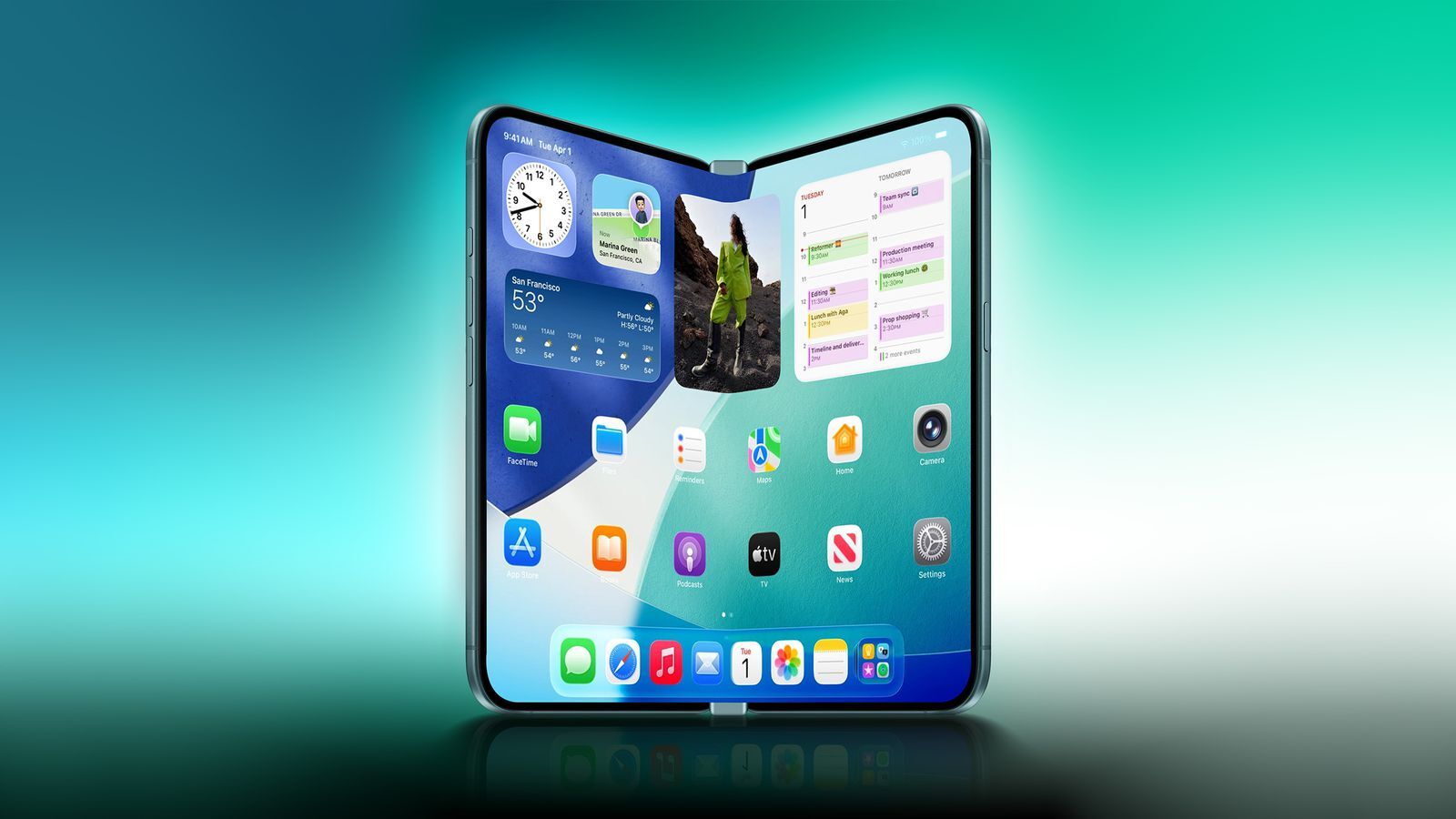
공급 및 생산
IT소식에 따르면, 한국 매체 The Elec이 업계 관계자의 말을 인용해 Apple이 Samsung Display의 폴더블 OLED 모듈 생산을 승인했다고 보도했습니다. Samsung Display는 베트남 공장의 일부 후공정 라인을 가동했으며, 올해 첫 물량으로 약 300만 장의 패널을 공급할 계획입니다.
모듈 양산 인증은 패널 공급업체가 정식 공급 전 반드시 통과해야 하는 절차로, 최종 조립 품질, 제품 성능 및 양산 안정성을 검증합니다. Apple은 최소 70% 이상의 수율을 요구했으며, Samsung Display는 80%를 초과하는 수율을 달성하며 성공적으로 인증을 통과했습니다.
Samsung Display는 Apple의 첫 폴더블 디스플레이 스마트폰에 필요한 OLED 패널을 독점 공급하게 됩니다. 양사는 3년 기간의 독점 공급 계약을 체결했으며, 이 기간 동안 Apple은 다른 공급업체로부터 폴더블 OLED 패널을 구매하지 않습니다. 올해 첫 출하량은 약 300만 장으로 예상됩니다.
제조 공정 및 기술
패널 후공정은 Samsung Display 베트남 공장에서 담당합니다. 폴더블 디스플레이와 같은 유연한 OLED의 후공정 제품은 주로 베트남에서 생산되며, 강성(Rigid) OLED 후공정은 중국에 집중되어 있습니다.
베트남 공장에는 총 약 80개의 생산 라인이 있으며, 그중 약 50개가 이미 가동 중입니다. Apple의 첫 주문량이 약 300만 장에 불과하기 때문에 Samsung Display는 현재 일부 생산 능력만을 활용할 예정입니다. 전공정은 박막 트랜지스터(TFT), OLED 발광층 및 봉지층 제작을 담당하며, 후공정은 구동 회로, 유연 인쇄회로기판(FPC) 및 보호 부품 장착과 검사를 담당한 뒤 최종 제조사에 출하됩니다.
또한 Samsung Display는 Apple에 M16 소재 시스템을 적용한 OLED 패널을 제공할 예정입니다. M16은 Samsung이 플래그십 스마트폰을 위해 개발한 차세대 유기 소재 시스템으로, 이전 세대보다 밝기, 색 재현력, 수명 및 에너지 효율 면에서 우수합니다.
출시 일정 및 부품 이슈
Apple의 첫 폴더블 디스플레이 스마트폰은 9월에 공개될 것으로 예상되며, 업계에서는 Apple이 늦어도 올해 안에 첫 번째 폴더블 기기를 출시할 것으로 보고 있습니다. 다만 최종 출시 시점은 일부 부품의 양산 가능 여부에 따라 달라질 수 있으며, 특히 힌지(Hinge)가 매우 중요합니다. 만약 힌지의 생산 속도가 기대에 못 미칠 경우 신제품 출시는 약 2주에서 한 달 정도 지연될 수 있습니다.
힌지는 개폐 성능, 주름 깊이 및 장기 내구성에 직접적인 영향을 미치는 폴더블 디스플레이 스마트폰의 핵심 부품 중 하나입니다. Apple은 3D 프린팅 공정을 사용하여 힌지 모듈을 제작할 계획이나, 업계 소식에 따르면 조립 후 힌지에서 소음 문제가 발생한 것으로 알려졌습니다. 관계자에 따르면 Apple 첫 폴더블 디스플레이 스마트폰의 힌지 모듈 양산 안정성은 여전히 과제에 직면해 있을 수 있습니다. Samsung 측은 "문제가 없다"는 입장이며, 최종 출시 시점은 Apple의 다른 부품 준비 상황에 따라 결정될 것입니다.
총평
Samsung Display는 Apple의 첫 폴더블 디스플레이 스마트폰을 위한 OLED 패널 독점 공급 계약을 체결했으며, M16 소재 시스템이 적용된 고성능 제품을 제공할 예정입니다. 9월 출시가 예상되나, 힌지 모듈의 양산 안정성과 기타 부품의 준비 상태에 따라 최종 출시 일정이 조정될 가능성이 있습니다.
生产合作与独家协议
Apple 已批准 Samsung 显示启动折叠 OLED 模组生产。双方已签署为期三年的独家供货协议,在合同期内,Apple 将仅从 Samsung 获取折叠 OLED 面板。
- 首批交付量:计划于今年交付约 300 万块面板。
- 产地分布:后段制程由 Samsung 显示越南工厂负责(该厂拥有约 80 条产线)。
- 良率要求:Apple 要求良率至少达到 70%,Samsung 最终良率超过 80% 并顺利通过认证。
技术规格与材料
Samsung 将为 Apple 提供采用 M16 材料体系的 OLED 面板,这是 Samsung 为旗舰手机开发的最新一代有机材料体系。
- M16 特性:在亮度、色彩表现、使用寿命和能效方面均优于前代产品。
产品发布与潜在挑战
Apple 首款折叠屏手机预计于 9 月亮相,但最终发布时间仍取决于关键零部件的量产进度。
- 核心部件:铰链模组(采用 3D 打印工艺制造)。
- 技术挑战:由于铰链在组装后出现异响问题,其量产稳定性仍面临挑战。
- 潜在延迟:若铰链等关键零部件生产进度不及预期,新机可能推迟约两周至一个月发布。
总结
Apple 与 Samsung 达成为期三年的折叠 OLED 面板独家供货协议,首批订单量约为 300 万块且采用先进的 M16 材料体系。尽管技术指标达标,但由于铰链模组的稳定性挑战,新机的最终发布时间仍可能受到影响。
供給と生産
ITニュースによると、韓国メディアのThe Elecが業界関係者の話として、AppleがSamsung Displayの折りたたみ式OLEDモジュールの生産を承認したと報じました。Samsung Displayはベトナム工場の後工程ラインの一部を稼働させており、今年最初の出荷分として約300万枚のパネルを供給する計画です。
モジュールの量産認証は、パネルサプライヤーが正式な供給前に必ず通過しなければならないプロセスであり、最終組み立ての品質、製品性能、および量産安定性を検証します。Appleは最低70%以上の歩留まり(Yield)を要求し、Samsung Displayは80%を超える歩留まりを達成して認証に合格しました。
Samsung Displayは、Appleの初の折りたたみ式ディスプレイ搭載スマートフォンに必要なOLEDパネルを独占供給することになります。両社は3年間の独占供給契約を締結しており、この期間中、Appleは他のサプライヤーから折りたたみ式OLEDパネルを購入しません。今年初出荷分は約300万枚と予想されています。
製造工程と技術
パネルの後工程はSamsung Displayのベトナム工場が担当します。折りたたみ式ディスプレイのようなフレキシブルなOLEDの後工程製品は主にベトナムで生産され、剛性(Rigid)OLEDの後工程は中国に集中しています。
ベトナム工場には計約80の生産ラインがあり、そのうち約50がすでに稼働中です。Appleの初注文量が約300万枚にとどまるため、Samsung Displayは現在の一部生産能力のみを活用する予定です。前工程はTFT(薄膜トランジスタ)、OLED発光層、および封止層の製造を担当し、後工程は駆動回路、フレキシブルプリント基板(FPC)、および保護部品の装着と検査を担当した後、最終メーカーに出荷されます。
また、Samsung DisplayはAppleにM16素材システムを適用したOLEDパネルを提供予定です。M16はSamsungがフラッグシップスマートフォン向けに開発した次世代有機素材システムで、前世代よりも輝度、色再現性、寿命、およびエネルギー効率において優れています。
リリーススケジュールと部品の問題
Appleの初の折りたたみ式ディスプレイ搭載スマートフォンは9月に公開される見込みで、業界ではAppleが遅くとも年内に最初の折りたたみデバイスを発売すると見ています。ただし、最終的な発売時期は一部部品の量産可否によって左右される可能性があり、特にヒンジ(Hinge)が非常に重要です。もしヒンジの生産速度が期待に届かない場合、新製品の発売は約2週間から1ヶ月程度遅れる可能性があります。
ヒンジは開閉性能、折り目(しわ)の深さ、および長期耐久性に直接影響を与える折りたたみ式ディスプレイスマートフォンの核心部品の一つです。Appleは3Dプリント工程を使用してヒンジモジュールを製造する計画ですが、業界情報によると組み立て後にヒンジからノイズ問題が発生したと報じられています。関係者によれば、Apple初の折りたたみ式ディスプレイスマートフォンのヒンジモジュールの量産安定性は依然として課題に直面している可能性があります。Samsung側は「問題はない」との立場であり、最終的な発売時期はAppleの他の部品の準備状況によって決定される見通しです。
まとめ
Samsung DisplayはAppleの初の折りたたみ式スマートフォン向けOLEDパネルの3年間の独占供給契約を締結し、次世代M16素材システムを採用した高品質な製品を提供します。9月の発表が期待されていますが、最終的な発売日はヒンジモジュールの量産安定性や他の主要部品の準備状況によって調整される可能性があります。
Supply and Production
According to reports from The Elec, Apple has approved Samsung Display's production of foldable OLED modules. Samsung Display has activated several back-end production lines at its Vietnam factory and plans to supply approximately 3 million panels for the initial shipment this year.
Mass production certification is a mandatory process that panel suppliers must pass before official delivery to verify final assembly quality, product performance, and mass production stability. While Apple required a minimum yield of over 70%, Samsung Display successfully passed the certification by achieving a yield exceeding 80%.
Samsung Display will serve as the exclusive supplier of OLED panels for Apple's first foldable display smartphone. The two companies have signed a three-year exclusive supply agreement, during which period Apple will not source foldable OLED panels from any other suppliers. The initial shipment for this year is expected to be around 3 million units.
Manufacturing Process and Technology
The back-end processes for flexible OLEDs, such as those used in foldable displays, are primarily handled at Samsung Display's Vietnam plant, while rigid OLED back-end production is concentrated in China.
The Vietnam facility houses approximately 80 production lines, with about 50 currently in operation. Since Apple's initial order of approximately 3 million units is relatively small, Samsung Display plans to utilize only a portion of its current production capacity.
- Front-end processes: Responsible for the production of Thin Film Transistors (TFT), OLED emissive layers, and encapsulation layers.
- Back-end processes: Responsible for driving circuits, flexible Printed Circuit Boards (FPC), and the mounting and inspection of protective components before shipment to the final manufacturer.
Furthermore, Samsung Display will provide Apple with OLED panels featuring the M16 material system. M16 is a next-generation organic material system developed by Samsung for flagship smartphones, offering superior brightness, color reproduction, lifespan, and energy efficiency compared to previous generations.
Release Schedule and Component Issues
Apple's first foldable display smartphone is expected to be unveiled in September, with industry experts anticipating a launch within this year at the latest. However, the final release date may fluctuate depending on the mass production feasibility of certain components, particularly the hinge.
The hinge is a critical component that directly impacts opening performance, crease depth, and long-term durability. While Apple plans to utilize 3D printing processes to manufacture its hinge modules, reports indicate that noise issues have emerged during assembly. While Samsung maintains that there are no issues, the final launch date will depend on the readiness of other components.
Summary
Samsung Display has secured a three-year exclusive contract to supply high-performance OLED panels featuring the M16 material system for Apple's first foldable smartphone. While a September debut is anticipated, potential delays may occur depending on the production stability of critical components like the hinge and other hardware requirements.
生产与供应合作
Apple 已批准 Samsung 显示启动折叠 OLED 模组生产。Samsung 已启用越南工厂的部分后段产线,首批约 300 万块面板计划于今年交付。该产线主要负责安装驱动电路、柔性印刷电路板和保护部件等后段工艺。
独家协议与技术规格
双方已签署为期三年的独家供货协议,在合同期内,Apple 不会从其他供应商采购折叠 OLED 面板。此外,Samsung 还将为 Apple 提供采用 M16 材料体系的面板。
- M16 体系:用于旗舰手机的新一代有机材料,在亮度、色彩表现、使用寿命和能效上优于前代产品。
- 良率要求:Apple 要求良率至少达到 70%,Samsung 最终良率超过 80% 并顺利通过认证。
发布计划与技术挑战
Apple 首款折叠屏手机预计在 9 月亮相。然而,由于关键部件铰链模组在组装后可能出现异响问题且量产稳定性面临挑战,若相关零部件生产进度不及预期,新机发布时间可能会推迟约两周至一个月。
总结
Apple 与 Samsung 已达成为期三年的折叠 OLED 面板独家供货协议,首批 300 万块面板将采用性能优化的 M16 材料体系。尽管产品预计于 9 月亮相,但由于铰链模组的量产稳定性挑战,最终发布日期仍可能因零部件进度而有所变动。
供給と生産
ITニュースの報道によると、韓国メディア「The Elec」が業界関係者の話を引用し、AppleがSamsung Displayによる折りたたみ式OLEDモジュールの生産を承認したと報じました。Samsung Displayはベトナム工場の後工程ラインの一部を稼働させており、今年最初の出荷分として約300万枚のパネルを供給する計画です。
モジュール量産認証は、パネルサプライヤーが正式な供給前に必ず通過しなければならない手順であり、最終的な組み立て品質、製品性能、および量産安定性を検証します。Appleは70%以上の歩留まりを要求しましたが、Samsung Displayは80%を超える歩留まりを達成し、無事に認証を通過しました。
Samsung Displayは、Apple初の折りたたみ式ディスプレイ搭載スマートフォンに必要なOLEDパネルを独占供給することになります。両社は3年間の独占供給契約を締結しており、この期間中、Appleは他のサプライヤーから折りたたみ式OLEDパネルを購入しません。今年の初出荷量は約300万枚と予想されています。
製造工程と技術
パネルの後工程はSamsung Displayのベトナム工場が担当します。折りたたみ式ディスプレイのようなフレキシブルなOLEDの後工程製品は主にベトナムで生産され、剛性(Rigid)OLEDの後工程は中国に集中しています。
ベトナム工場には合計約80の生産ラインがあり、そのうち約50がすでに稼働中です。Appleの初注文量が約300万枚にとどまるため、Samsung Displayは現在の一部生産能力のみを活用する予定です。前工程はTFT(薄膜トランジスタ)、OLED発光層、および封止層の製造を担当し、後工程は駆動回路、フレキシブルなFPC(プリント基板)、および保護部品の装着と検査を担当した後、最終製造メーカーへ出荷されます。
また、Samsung DisplayはAppleに対し、M16素材システムを適用したOLEDパネルを提供する予定です。M16はSamsungがフラッグシップスマートフォン向けに開発した次世代有機素材システムで、前世代よりも輝度、色再現性、寿命、およびエネルギー効率において優れています。
リリーススケジュールと部品の課題
Appleの初の折りたたみ式ディスプレイ搭載スマートフォンは9月に公開される見込みであり、業界ではAppleが遅くとも年内に最初の折りたたみデバイスを発売すると予測しています。ただし、最終的な発売時期は一部の部品の量産可否によって左右される可能性があり、特にヒンジ(Hinge)が非常に重要です。もしヒンジの生産速度が期待に届かない場合、新製品の発売は約2週間から1ヶ月程度遅れる可能性があります。
ヒンジは開閉性能、折り目(しわ)の深さ、および長期耐久性に直接影響を与える折りたたみ式ディスプレイスマートフォンの核心部品の一つです。Appleは3Dプリンティング工程を使用してヒンジモジュールを製造する計画ですが、業界の情報によると組み立て後のヒンジからノイズ問題が発生したと報じられています。関係者によれば、Apple初の折りたたみ式ディスプレイスマートフォンのヒンジモジュールの量産安定性は依然として課題に直面している可能性があります。Samsung側は「問題はない」との立場をとっており、最終的な発売時期はAppleの他の部品の準備状況によって決定されることになります。
まとめ
Samsung DisplayはApple初の折りたたみ式スマートフォン向けOLEDパネルの独占供給契約を締結し、高度なM16素材システムを採用した製品を提供します。9月のリリースが予想されていますが、ヒンジモジュールの量産安定性やその他の部品の準備状況により、最終的な発売時期が調整される可能性があります。
Supply and Production
According to reports from IT news outlet The Elec, citing industry sources, Apple has approved Samsung Display to produce foldable OLED modules. Samsung Display has activated several back-end production lines at its Vietnam factory and plans to supply approximately 3 million panels as the first batch this year.
Mass production certification is a mandatory procedure that panel suppliers must pass before official delivery to verify final assembly quality, product performance, and mass production stability. While Apple required a minimum yield of 70%, Samsung Display successfully passed the certification by achieving a yield exceeding 80%.
Samsung Display will serve as the exclusive supplier of OLED panels for Apple's first foldable display smartphone. The two companies have signed a three-year exclusivity agreement, during which period Apple will not purchase foldable OLED panels from any other suppliers.
- Initial delivery: Approximately 3 million units planned for this year.
- Yield requirements: Apple required over 70%; Samsung Display achieved over 80%.
- Exclusivity: A three-year contract for foldable OLED panels.
Manufacturing Process and Technology
The back-end process for these panels is handled at the Samsung Display Vietnam plant. Products featuring flexible OLEDs, such as those used in foldables, are primarily produced in Vietnam, while rigid OLED back-end processes are concentrated in China.
The Vietnam facility contains approximately 80 production lines, with about 50 currently in operation. Because the initial order from Apple is only around 3 million units, Samsung Display will utilize only a portion of its current capacity. The front-end process involves the fabrication of TFTs, OLED emissive layers, and encapsulation layers, while the back-end process handles driving circuits, flexible printed circuit boards (FPC), and the mounting and inspection of protective components before shipping to the final manufacturer.
Furthermore, Samsung Display will provide Apple with OLED panels featuring the M16 material system. M16 is a next-generation organic material system developed by Samsung for flagship smartphones, offering superior brightness, color reproduction, lifespan, and energy efficiency compared to previous generations.
Release Schedule and Component Issues
Apple's first foldable display smartphone is expected to be unveiled in September, with industry experts predicting a launch within this year at the latest. However, the final release date may fluctuate depending on the mass production feasibility of certain components, particularly the hinge.
The hinge is a critical component that directly impacts opening/closing performance, crease depth, and long-term durability. While Apple plans to use 3D printing processes to manufacture its hinge modules, reports indicate that noise issues have occurred in some units after assembly. While there are concerns regarding the mass production stability of these modules, Samsung maintains that there are no issues, and the final launch date will be determined by the readiness of other components.
- Potential delay: 2 weeks to 1 month if hinge production lags.
- Key technology: M16 material system for enhanced display performance.
Summary
Samsung Display has secured a three-year exclusive agreement to supply high-performance OLED panels featuring the M16 material system for Apple's first foldable smartphone. While a launch is expected as early as September, the final timeline may be adjusted based on the production stability and assembly of critical components like the hinge module.
生产认证与首批出货
Apple 已批准 Samsung 显示启动折叠 OLED 模组生产。Samsung 显示已在越南工厂启用部分后段产线,并顺利通过量产认证。
- 良率要求:Apple 要求良率至少达到 70%,Samsung 最终良率超过 80%。
- 首批出货量:预计今年交付约 300 万块面板。
独家供货与核心技术
双方已签署为期三年的独家供货协议,在合同期内,Apple 不会从其他供应商采购折叠 OLED 面板。此外,Samsung 还将提供采用 M16 材料体系的 OLED 面板。
- M16 特性:作为面向旗舰手机的新一代有机材料体系,其亮度、色彩表现、使用寿命和能效均优于前代产品。
生产布局与工艺
折叠屏等柔性 OLED 后段产品主要在越南工厂生产(该工厂共有约 80 条产线,其中约 50 条已投产),而刚性 OLED 后段生产则集中在中国。后段制程负责安装驱动电路、柔性印刷电路板和保护部件。
发布计划与技术挑战
Apple 首款折叠设备预计于 9 月亮相,但最终发布时间取决于关键零部件的量产进度。其中,采用 3D 打印工艺制造的铰链模组在量产稳定性上仍面临挑战。
- 潜在延迟:若铰链生产进度不及预期,新机可能推迟约两周至一个月发布。
总结
Apple 已与 Samsung 达成为期三年的折叠 OLED 面板独家供货协议,并确认其在良率和技术指标上符合要求。尽管铰链模组的量产稳定性仍面临挑战,但 Apple 的首款折叠设备预计仍将在今年 9 月左右亮相。
供給と生産
ITニュースによると、韓国メディアのThe Elecが業界関係者の話として、AppleがSamsung Displayによる折りたたみ式OLEDモジュールの生産を承認したと報じました。Samsung Displayはベトナム工場の後工程ラインの一部を稼働させており、今年最初の出荷分として約300万枚のパネルを供給する計画です。
モジュールの量産認証は、パネルサプライヤーが正式な供給前に必ず通過しなければならないプロセスであり、最終組み立ての品質、製品性能、および量産安定性を検証します。Appleは最低70%以上の歩留まり(Yield)を要求し、Samsung Displayは80%を超える歩留まりを達成して認証に合格しました。
Samsung Displayは、Apple初の折りたたみ式ディスプレイ搭載スマートフォン向けOLEDパネルの独占供給を行うことになります。両社は3年間の独占供給契約を締結しており、この期間中、Appleは他のサプライヤーから折りたたみ式OLEDパネルを購入しません。今年初出荷分は約300万枚と予想されています。
製造工程と技術
パネルの後工程はSamsung Displayのベトナム工場が担当します。折りたたみ式ディスプレイのようなフレキシブルなOLEDの後工程製品は主にベトナムで生産され、剛性(Rigid)OLEDの後工程は中国に集中しています。
ベトナム工場には計約80の生産ラインがあり、そのうち約50がすでに稼働中です。Appleの初注文量が約300万枚にとどまるため、Samsung Displayは現在の一部生産能力のみを活用する予定です。前工程はTFT(薄膜トランジスタ)、OLED発光層、および封止層の製造を担当し、後工程は駆動回路、フレキシブルプリント基板(FPC)、および保護部品の装着と検査を担当したのち、最終メーカーに出荷されます。
また、Samsung DisplayはAppleにM16素材システムを適用したOLEDパネルを提供予定です。M16はSamsungがフラッグシップスマートフォン向けに開発した次世代有機素材システムで、以下の点で優れています。
- 輝度
- 色再現性
- 寿命
- エネルギー効率
リリーススケジュールと部品の問題
Appleの初の折りたたみ式ディスプレイ搭載スマートフォンは9月に公開される見込みで、業界ではAppleが遅くとも年内に最初の折りたたみデバイスを発売すると見ています。ただし、最終的な発売時期は一部部品の量産可否によって左右される可能性があり、特にヒンジ(Hinge)が非常に重要です。もしヒンジの生産速度が期待に届かない場合、新製品の発売は約2週間から1ヶ月程度遅れる可能性があります。
ヒンジは開閉性能、折り目(しわ)の深さ、および長期耐久性に直接影響を与える重要な部品です。Appleは3Dプリント工程を使用してヒンジモジュールを製造する計画ですが、以下の課題が報じられています。
- 技術的課題:組み立て後にヒンジからノイズ問題が発生したとの報告があり、量産安定性が課題となる可能性がある。
- メーカーの対応:Samsung側は「問題はない」との立場であり、最終的な発売時期は他の部品の準備状況によって決定される見通し。
まとめ
Samsung DisplayはAppleと3年間の独占供給契約を締結し、次世代M16素材システムを採用した高品質な折りたたみ式OLEDパネルを提供します。9月の発売が期待されていますが、ヒンジモジュールの量産安定性や他の主要部品の準備状況によって、最終的な発売時期が調整される可能性があります。
Supply and Production
According to reports from The Elec, Apple has approved Samsung Display's production of foldable OLED modules. Samsung Display has activated several back-end production lines at its Vietnam facility and plans to supply the initial shipment for this year.
Mass production certification is a mandatory process that panel suppliers must pass before official delivery to verify final assembly quality, product performance, and mass production stability. Samsung Display successfully passed this certification by exceeding Apple's requirements.
- Initial shipment: Approximately 3 million panels planned for this year.
- Yield rates: Apple required a minimum of 70%; Samsung Display achieved over 80%.
- Exclusivity: A three-year exclusive supply agreement has been signed, during which Apple will not source foldable OLED panels from other suppliers.
Manufacturing Process and Technology
The back-end processes for flexible OLEDs, such as those used in foldable displays, are primarily handled at Samsung Display's Vietnam plant, while rigid OLED back-end production is concentrated in China.
The Vietnam facility manages the following infrastructure:
- Total production lines: Approximately 80.
- Active production lines: Approximately 50.
Front-end processes are responsible for producing Thin Film Transistors (TFT), OLED emission layers, and encapsulation layers. Back-end processes involve driving circuits, flexible printed circuit boards (FPC), and the mounting and inspection of protective components before shipment to the final manufacturer.
Samsung Display will provide Apple with OLED panels featuring the M16 material system. This is a next-generation organic material system developed for flagship smartphones.
- M16 Advantages: Superior brightness, color reproduction, lifespan, and energy efficiency compared to previous generations.
Release Schedule and Component Issues
Apple's first foldable display smartphone is expected to be unveiled in September, with industry analysts predicting a launch within this year at the latest. However, the final release date may depend on the mass production feasibility of specific components, most notably the hinge.
The hinge is a critical component affecting opening/closing performance, crease depth, and long-term durability. While Apple plans to use 3D printing for the hinge modules, some industry reports suggest that noise issues occurred during assembly. While Samsung maintains that there are no problems, the final launch date will be determined by the overall readiness of all components.
Summary
Samsung Display has secured a three-year exclusive agreement to supply foldable OLED panels for Apple's first foldable smartphone using the advanced M16 material system. While an initial shipment of 3 million units is planned, the final launch timeline may be subject to minor delays depending on the production stability of critical components like the hinge.