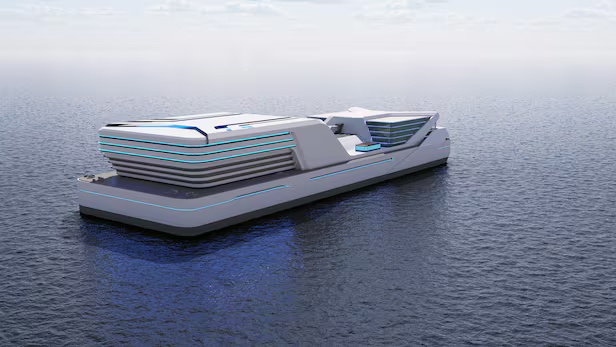
해상 데이터 센터의 등장
인공지능(AI) 열풍이 지속됨에 따라 가용 공간과 전력 자원의 부족이라는 현실적인 문제에 직면하고 있습니다. 글로벌 테크 기업들은 더 크고 빠른 AI 모델을 구축하고자 하나, 유럽과 미국 지역의 전력망 부하가 포화 상태에 달하고 토지 자원이 부족해짐에 따라 육상 데이터 센터의 확장은 한계에 부딪혔습니다. 이러한 난관을 극복하기 위해 Samsung 중공업은 미래를 내다본 혁신적인 방안으로 모든 연산 인프러를 먼바다로 옮겨 '해상 부유식 AI 데이터 센터'를 구축하는 프로젝트를 추진하고 있습니다.
기술 및 인프라
Samsung은 기존의 노후 화물을 개조하는 대신, 처음부터 데이터 센터 전용으로 설계된 신규 선박을 제작하고 있습니다. 이 프로젝트의 핵심은 출력 50MW에 달하는 대형 해상 부유식 데이터 센터입니다. 이러한 방식을 통해 기술 기업들은 육상 시설이 지역 전력망에 연결되기를 수년간 기다릴 필요가 없습니다.
해상 연산 허브는 뛰어난 유연성을 갖추고 있습니다. 근해에 정박할 때는 해저 케이블을 통해 직접 육지 전력망에서 전력을 공급받을 수 있으며, 먼바다로 나갈 때는 선상에 탑재된 LNG 연료전지를 활용해 청정 전력을 자급자족할 수 있습니다. 또한, 바다는 천연의 거대한 냉각 장치 역할을 합니다. 기술 기업들은 고부하로 가동되는 AI 서버를 식히기 위해 해수를 직접 끌어와 사용하며 육상의 담수 자원을 절약할 수 있습니다.
기술적 과제 및 협력
해양 환경은 정밀한 전자 장비에 매우 가혹합니다. 고성능 AI 하드웨어는 선체의 지속적인 진동, 흔들림, 높은 습도, 그리고 부식성이 강한 염무(소금 안개) 환경을 견디기 어렵기 때문입니다.
Chosun Biz 보도에 따르면, 이러한 해상 슈퍼컴퓨터가 첫 항해부터 안정적으로 작동하고 장비 손상을 방지하기 위해 Samsung은 서버 제조사인 Supermicro와 협력하고 있습니다. 양사는 고성능 하드웨어를 실제 강과 바다 환경에 배치하여 극한 테스트를 진행하며, 수년의 사용 주기 동안 장비가 견딜 수 있는 능력을 검증하고 있습니다.
시장 전망 및 경쟁
해상 연산으로의 확장은 글로벌 해운 업계의 주목도 받고 있습니다. 전통적인 선주들은 변동성이 큰 화물 시장 대신, 대형 기술 기업과 장기 안정 계약을 맺고 해상 데이터 센터 공간을 임대하는 방식을 새로운 수익원으로 보고 있습니다. 그리스 해운 기업인 Capital Clean Energy Carriers는 이 잠재력을 높이 평가하여 Samsung의 해상 데이터 센터 선박에 자금을 지원하고 입지 선정을 돕고 있습니다.
해상 연산 분야에서 Samsung은 독보적인 위치를 점하고 있습니다. 중국과 일본 기업들도 수중 연산 캡슐이나 노후 선박 개조 등을 시도하고 있으나, Samsung의 추진 속도가 훨씬 앞서 있습니다. 현재 Samsung의 설계안은 국제 해사 규제 기관의 예비 승인을 받았으며, 작년 가을에는 OpenAI와 협력 의향서를 체결했습니다.
미래 전망
현재 대규모로 운영되는 해상 서버 선단은 아직 정식으로 모습을 드러내지 않았습니다. 이러한 부유식 연산 허브는 전력망 부담이 크고 인구 밀도가 높은 해안 도시 주변에 우선적으로 배치될 예정입니다. 만약 Samsung과 Supermicro가 AI 장비의 해양 환경 적응성을 입증한다면, 클라우드 컴퓨팅의 미래는 광활한 바다 위를 떠다니게 될지도 모릅니다.
총평
Samsung은 전력 및 공간 부족 문제를 해결하기 위해 해상 부유식 데이터 센터라는 혁신적인 인프라 구축에 앞장서고 있습니다. Supermicro와의 협력을 통해 기술적 한계를 극복하며, 향후 클라우드 컴퓨팅의 핵심 거점이 바다로 확장될 가능성을 제시하고 있습니다.
应对算力资源短缺的创新方案
由于人工智能模型规模扩大导致陆地电网负荷饱和及土地资源紧张,Samsung 提出将算力基础设施移至远海的“海上浮动人工智能数据中心”方案。该项目并非改造旧船,而是从零开始设计专门的数据中心专用船舶。
核心技术优势与规格
这种海上算力枢纽具备极强的灵活性和独特的资源利用优势:
- 功率规模:单座大型海上浮动数据中心功率达 50 兆瓦。
- 供电模式:近海可通海底电缆接入陆地电网,远海可利用液化天然气(LNG)燃料电池产生清洁电力。
- 冷却系统:直接抽取海水为高负荷运行的服务器降温,无需消耗陆地淡水资源。
技术挑战与合作伙伴关系
针对海洋环境对精密电子设备造成的震动、摇摆、高湿度及盐雾腐蚀等严苛考验,Samsung 已与服务器大厂 Supermicro 展开合作。双方正将高性能硬件置于真实河道与海洋环境中进行极限测试,以确保设备在数年使用周期内的耐受能力。
行业布局与竞争态势
该项目吸引了全球航运业关注,希腊航运企业 Capital Clean Energy Carriers 已提供资金支持并协助选址。相较于中日等国探索水下算力舱或改造旧船的方案,Samsung 的推进速度领先,其设计方案已获得初步海事监管审批,并与 OpenAI 签署了合作意向书。
总结
为了解决 AI 发展带来的土地和电力短缺难题,Samsung 与 Supermicro 合作开发高功率(50兆瓦)的专用海上浮动数据中心。该方案通过利用海洋资源和灵活的能源供应,旨在为未来大规模人工智能计算提供更具扩展性的基础设施支持。
海上のデータセンターの台頭
人工知能(AI)ブームの継続に伴い、利用可能なスペースと電力資源の不足という現実的な問題に直面しています。グローバルなテック企業はより大規模で高速なAIモデルを構築しようとしていますが、欧州や米国の地域では電力網の負荷が飽和状態に達し、土地資源も不足しているため、陸上データセンターの拡張は限界に達しています。これらの課題を克服するため、Samsung重工(Samsung Heavy Industries)は未来を見据えた革新的な解決策として、すべての演算インフラを沖合へ移転する「海上浮体式AIデータセンター」の構築プロジェクトを推進しています。
技術とインフラ
Samsungは既存の老朽化した貨物船を改造するのではなく、最初からデータセンター専用として設計された新造船を製造しています。このプロジェクトの中核となるのは、出力50MWに達する大型の海上浮体式データセンターです。この手法により、テック企業は陸上の施設が地域の電力網に接続されるのを数年待つ必要がなくなります。
海上の演算ハブは優れた柔軟性を備えています。近海に停泊する際は海底ケーブルを通じて直接陸上の電力網から電力を供給され、遠方へ出る際は船上に搭載されたLNG燃料電池を活用してクリーンな電力を自給自足できます。さらに、海は巨大な天然の冷却装置として機能します。テック企業は高負荷で稼働するAIサーバーを冷却するために海水を直接取り込んで使用し、陸上の淡水資源を節約することができます。
技術的課題と協力
海洋環境は精密な電子機器にとって非常に過酷です。高性能なAIハードウェアは、船体の絶え間ない振動や揺れ、高湿度、そして腐食性の強い塩霧(ソルトミスト)の環境に耐えることが難しいためです。
Chosun Bizの報道によると、これらの海上のスーパーコンピューターが初航海から安定して動作し、機器の損傷を防ぐため、SamsungはサーバーメーカーであるSupermicroと協力しています。両社は高性能ハードウェアを実際の河川や海洋環境に配置して過酷なテストを実施しており、数年間の使用サイクルにおいて機器が耐えうる能力を検証しています。
市場展望と競争
海上の演算への拡大は、世界の海運業界からも注目を集めています。伝統的な船主たちは、変動の激しい貨物市場の代わりに、大手テック企業と長期安定契約を結び、海上のデータセンター空間を賃貸する手法を新たな収益源として捉えています。ギリシャの海運企業であるCapital Clean Energy Carriersはこの可能性を高く評価しており、Samsungの海上データセンター船への資金提供や立地選定の支援を行っています。
海上の演算分野において、Samsungは独自の地位を占めています。中国や日本の企業も水中演算カプセルや老朽船の改造などを試みていますが、Samsungの推進スピードはそれらを大きく上回っています。現在、Samsungの設計案は国際海事規制機関の予備承認を受けており、昨年秋にはOpenAIと協力意向書を締結しました。
未来の展望
現在、大規模に運用される海上のサーバー艦隊はまだ正式に姿を現していません。これらの浮体式演算ハブは、電力網への負担が大きく人口密度が高い沿岸都市の周辺に優先的に配置される予定です。もしSamsungとSupermicroがAI機器の海洋環境への適応性を証明できれば、クラウドコンピューティングの未来は広大な海の上を漂うことになるかもしれません。
まとめ
Samsungは電力および空間不足の問題を解決するため、革新的なインフラとして「海上浮体式AIデータセンター」の構築を推進しています。Supermicroとの提携により技術的課題を克服しつつ、将来的にクラウドコンピューティングの主要拠点が海へと拡大する可能性を示唆しています。
The Emergence of Offshore Data Centers
As the artificial intelligence (AI) boom continues, the industry is facing practical challenges regarding the shortage of available space and power resources. While global tech companies aim to build larger and faster AI models, the expansion of land-based data centers has hit a wall as power grids in Europe and the United States reach saturation and land resources become scarce. To overcome these hurdles, Samsung Heavy Industries is pursuing an innovative forward-looking solution: moving entire computing infrastructures to the open sea by constructing "offshore floating AI data centers."
Technology and Infrastructure
Instead of retrofitting old cargo ships, Samsung is manufacturing new vessels designed specifically for data center use from the ground up. The core of this project involves large-scale offshore floating data centers with a power output of up to 50MW. This approach allows tech companies to bypass the years-long wait often required to connect land-based facilities to local power grids.
These offshore computing hubs offer exceptional flexibility. When anchored near the coast, they can be supplied with electricity directly from land grids via subsea cables; when moving into the open sea, they can achieve power self-sufficiency using on-board LNG fuel cells. Furthermore, the ocean acts as a massive natural cooling system. Tech companies can pump in seawater to cool high-load AI servers, thereby conserving precious freshwater resources on land.
Technical Challenges and Collaboration
Marine environments are extremely harsh for precision electronic equipment. High-performance AI hardware is often unable to withstand continuous hull vibrations, motion, high humidity, and corrosive salt mist.
According to reports from Chosun Biz, Samsung is collaborating with server manufacturer Supermicro to ensure these offshore supercomputers operate reliably from their first voyage and to prevent equipment damage. The two companies are conducting extreme tests by deploying high-performance hardware in actual river and sea environments to verify the durability of the equipment over several years of operation.
Market Outlook and Competition
The expansion into offshore computing is garnering significant attention from the global shipping industry. Traditional shipowners view leasing offshore data center space—which offers long-term, stable contracts with major tech giants—as a lucrative new revenue stream compared to the volatile cargo market. The Greek shipping company Capital Clean Energy Carriers recognizes this potential and is providing funding and site selection assistance for Samsung's offshore data center vessels.
Samsung holds a dominant position in the offshore computing sector. While Chinese and Japanese companies are attempting projects such as underwater computing capsules or retrofitting old ships, Samsung’s development pace is significantly ahead. Currently, Samsung's designs have received preliminary approval from international maritime regulatory bodies, and an LOI (Letter of Intent) was signed with OpenAI last autumn.
Future Prospects
While large-scale fleets of offshore servers have not yet officially debuted, these floating computing hubs are expected to be deployed first near coastal cities with high population density and heavy power grid burdens. If Samsung and Supermicro successfully prove the adaptability of AI equipment to marine environments, the future of cloud computing may literally float across the vast oceans.
Summary
Samsung Heavy Industries is pioneering offshore floating data centers to overcome land-based space and power constraints caused by the AI boom. By collaborating with Supermicro, they are developing 50MW infrastructure that utilizes LNG fuel cells and seawater cooling to ensure operational stability in harsh marine environments. This initiative positions Samsung as a leader in maritime computing, potentially shifting the core hubs of cloud computing to the open sea.
应对算力资源短缺的创新方案
随着人工智能模型规模扩大,陆地电力和空间资源日益紧张。Samsung 提出将算力基础设施移至海洋,打造海上浮动数据中心。该项目并非改造旧船,而是从零开始设计专门的数据中心专用船舶。
海上数据中心的优势与技术规格
这种海上算力枢纽具备高度的灵活性和独特的资源利用优势:
- 核心设施功率达 50 兆瓦。
- 供电多样化:近海可连接陆地电网,远海则可通过液化天然气(LNG)燃料电池产生清洁电力。
- 高效散热:利用海洋作为自然冷却源,直接抽取海水为服务器降温,避免消耗陆地淡水资源。
技术挑战与战略合作
针对海洋环境带来的震动、摇摆、高湿度及盐雾腐蚀等严苛条件,Samsung 与 Supermicro 建立合作关系,在真实河道和海洋环境中对高性能硬件进行长期耐受性测试。
在商业合作方面,希腊航运企业 Capital Clean Energy Carriers 已提供资金支持并协助选址。目前,Samsung 的设计方案已获得初步海事监管审批,且已于去年秋季与 OpenAI 签署合作意向书。
竞争格局与未来展望
虽然中日企业也在探索水下算力或改造旧船等相关项目,但 Samsung 在推进速度和技术成熟度上处于领先地位。这些浮动算力枢纽预计将优先部署在电网压力大、人口密集的沿海城市周边。
总结
Samsung 通过研发 50 兆瓦级别的海上浮动数据中心,旨在解决人工智能爆发带来的陆地电力与空间瓶颈。通过与 Supermicro 及相关航运企业的合作,该项目致力于在海洋环境中构建具备高效散热和灵活供电能力的算力基础设施。
海上データセンターの登場
人工知能(AI)ブームの継続に伴い、利用可能なスペースと電力資源の不足という現実的な問題に直面しています。グローバルなテック企業はより大きく高速なAIモデルを構築しようとしていますが、欧米地域では送電網の負荷が飽和状態に達し、土地資源も不足しているため、陸上データセンターの拡張は限界に達しています。これらの課題を克服するため、Samsung重工業は未来を見据えた革新的な解決策として、すべての演算インフラを沖合へ移転する「海上浮体式AIデータセンター」の構築プロジェクトを推進しています。
技術とインフラ
Samsungは、既存の老朽化した貨物船を改造するのではなく、最初からデータセンター専用に設計された新造船を製作しています。このプロジェクトの核心は、出力50MWに達する大型の海上の浮体式データセンターです。この手法により、テック企業は陸上施設が地域の送電網に接続されるのを数年間待つ必要がなくなります。
海上演算ハブは優れた柔軟性を備えています。近海に停泊する際は海底ケーブルを通じて直接陸上の送電網から電力を供給され、遠い海域へ出る際は船上に搭載されたLNG燃料電池を活用してクリーンな電力を自給自足できます。さらに、海は巨大な天然の冷却装置として機能します。テック企業は高負荷で稼働するAIサーバーを冷却するために海水を直接引き込んで使用し、陸上の淡水資源を節約することができます。
- 出力50MWに達する大型海上浮体式データセンター
- 近海での海底ケーブルによる電力供給
- 遠洋でのLNG燃料電池によるクリーンな自給自足電源
- 海水を利用した天然の冷却システムによる淡水資源の節約
技術的課題と協力
海洋環境は、精密な電子機器にとって非常に過酷な環境です。高性能なAIハードウェアは、船体の絶え間ない振動や揺れ、高い湿度、そして腐食性の強い塩霧(ソルトミスト)の環境に耐えることが困難だからです。
Chosun Bizの報道によると、これらの海上スーパーコンピューターが初航海から安定して動作し、機器の損傷を防ぐため、Samsungはサーバー製造メーカーであるSupermicroと協力しています。両社は高性能ハードウェアを実際の河川や海域に配置して過酷なテストを実施しており、数年間の使用サイクルにおいて機器が耐えられる能力を検証しています。
市場展望と競争
演算拠点の海への拡大は、世界の海運業界からも注目を集めています。伝統的な船主たちは、変動の激しい貨物市場の代わりに、巨大なテック企業と長期安定契約を結び、海上データセンターのスペースを賃貸する手法を新たな収益源として捉えています。ギリシャの海運企業であるCapital Clean Energy Carriersはこの可能性を高く評価しており、Samsungの海上データセンター船舶への資金提供や立地選定を支援しています。
海上演算分野において、Samsungは独自の地位を占めています。中国や日本の企業も水中演算カプセルや老朽船の改修などを試みていますが、Samsungの推進スピードはそれらを大きく上回っています。現在、Samsungの設計案は国際海事規制機関の予備承認を受けており、昨年秋にはOpenAIと協力意向書を締結しました。
未来の展望
現在、大規模に運用される海上サーバー艦隊はまだ正式に姿を現していません。これらの浮体式演算ハブは、送電網への負担が大きく人口密度が高い沿岸都市の周辺に優先的に配置される予定です。もしSamsungとSupermicroがAI機器の海洋環境への適応性を証明できれば、クラウドコンピューティングの未来は広大な海の上を漂うことになるかもしれません。
まとめ
Samsungは電力および空間不足の問題を解決するため、Supermicroとの協力のもと「海上浮体式データセンター」という革新的なインフラ構築を推進しています。このプロジェクトは、過酷な海洋環境におけるハードウェアの耐久性を検証しながら、将来的にクラウドコンピューティングの主要拠点を海へと拡張する可能性を示唆しています。
The Rise of Offshore Data Centers
As the artificial intelligence (AI) boom continues, the industry is facing practical challenges regarding the availability of space and power resources. While global tech giants aim to build larger and faster AI models, land-based data centers are reaching their limits due to saturated power grids in Europe and the U.S., combined with a shortage of available land. To overcome these hurdles, Samsung Heavy Industries is pursuing an innovative solution: moving computing infrastructure to the open sea by constructing "offshore floating AI data centers."
Technology and Infrastructure
Rather than retrofitting old cargo ships, Samsung is manufacturing new vessels designed specifically for data center use from the ground up. The core of this project involves large offshore floating data centers featuring:
- A power output of up to 50MW
- The ability to bypass long wait times for land-based grid connections
These maritime computing hubs offer exceptional flexibility. When anchored near the coast, they can be supplied with electricity directly from the land's power grid via subsea cables. When positioned in deep waters, they can utilize on-board LNG fuel cells to provide self-sufficient clean energy. Furthermore, the ocean serves as a massive natural cooling system; tech companies can pump seawater directly to cool high-load AI servers, thereby conserving precious freshwater resources on land.
Technical Challenges and Collaboration
Marine environments are extremely harsh for precision electronic equipment. High-performance AI hardware is often difficult to maintain against constant hull vibrations, movement, high humidity, and corrosive salt mist.
According to reports from Chosun Biz, Samsung is collaborating with server manufacturer Supermicro to ensure these offshore supercomputers operate reliably from their first voyage while preventing equipment damage. The two companies are conducting extreme tests by deploying high-performance hardware in actual river and sea environments to verify the durability of the equipment over several years of operation.
Market Outlook and Competition
The expansion into offshore computing is garnering significant attention from the global shipping industry. Traditional shipowners view leasing space for offshore data centers as a stable, long-term revenue source compared to the volatile cargo market. The Greek shipping company Capital Clean Energy Carriers recognizes this potential and is providing funding and site selection assistance for Samsung's offshore data center vessels.
Samsung holds a dominant position in the offshore computing sector. While Chinese and Japanese companies are attempting underwater computing pods or retrofitting older ships, Samsung’s development pace is significantly ahead. Currently, Samsung's designs have received preliminary approval from international maritime regulatory bodies, and an LOI was signed with OpenAI last fall.
Future Outlook
While large-scale fleets of offshore servers have not yet officially debuted, these floating hubs are expected to be deployed first near coastal cities where power grids are heavily burdened and population density is high. If Samsung and Supermicro successfully prove the adaptability of AI equipment to marine environments, the future of cloud computing may literally float on the vast ocean.
Summary
Samsung Heavy Industries is pioneering offshore floating data centers to overcome land-based constraints in space and power for the growing AI industry. By partnering with Supermicro, they are developing specialized vessels that utilize LNG fuel cells and seawater cooling to provide scalable infrastructure. This initiative positions Samsung as a leader in maritime computing, potentially relocating critical cloud infrastructure to the open sea.
海上浮动数据中心应对算力瓶颈
面对人工智能发展带来的土地资源紧张和电网负荷饱和等现实挑战,Samsung 提出将算力基础设施移至远海的创新方案。该项目并非改造旧船,而是从零开始设计专门的数据中心专用船舶,旨在提供更具灵活性的算力枢纽。
技术规格与核心优势
- 功率规模: 单个大型海上浮动数据中心拥有 50 兆瓦(MW)的动力。
- 能源灵活性: 近海可通过海底电缆接入陆地电网,远海则可通过液化天然气燃料电池产生清洁电力。
- 高效散热: 利用海洋作为自然冷却源,直接抽取海水为高负荷人工智能服务器降温,无需消耗陆地淡水资源。
硬件耐用性与跨界合作
由于海洋环境包含高湿度、盐雾腐蚀及船体震动等严苛条件,Samsung 与服务器大厂 Supermicro 达成合作,在真实河道与海洋环境中对高性能硬件进行极限测试,以确保设备在数年使用周期内的稳定性。
行业布局与战略进展
该项目吸引了航运领域的关注,如 Capital Clean Energy Carriers 已参与提供资金支持并协助选址。目前 Samsung 在相关技术的推进上领先于中日等竞争对手,已获得初步海事监管审批,并于去年秋季与 OpenAI 签署了合作意向书。
总结
Samsung 通过打造具备 50 兆瓦功率的专用海上浮动数据中心,旨在解决人工智能算力在陆地上的空间和能源瓶颈。通过与 Supermicro 的技术验证以及与航运企业的资源整合,该方案有望为高负载、高密度的沿海城市提供更具弹性的云端基础设施。
海上のデータセンターの台頭
人工知能(AI)ブームの継続に伴い、利用可能なスペースと電力資源の不足という現実的な課題に直面しています。グローバルなテック企業はより大規模で高速なAIモデルを構築しようとしていますが、欧米地域では電力網の負荷が飽和状態に達し、土地資源も不足しているため、陸上データセンターの拡張には限界が生じています。これらの課題を克服するため、Samsung重工(Samsung Heavy Industries)は革新的な解決策として、すべての演算インフラを沖合へ移転する「海上浮体式AIデータセンター」の構築プロジェクトを推進しています。
技術とインフラ
Samsungは既存の老朽化した貨物船を改造するのではなく、最初からデータセンター専用として設計された新造船を製造しています。このプロジェクトの中核となるのは、以下の仕様を備えた大型の海上浮体式データセンターです。
- 出力規模:最大50MWに達する電力容量
- 電源供給:近海では海底ケーブルを通じて陸上の電力網から給電、遠洋では船上に搭載されたLNG燃料電池を活用してクリーンな電力を自給自足
- 冷却システム:海水を直接取り込んで高負荷で稼働するAIサーバーを冷却し、陸上の淡水資源を節約
このアプローチにより、テック企業は陸上の施設が地域の電力網に接続されるのを数年待つ必要がなくなり、迅速なインフラ展開が可能になります。
技術的課題と協力
海洋環境は精密な電子機器にとって非常に過酷です。高性能なAIハードウェアは、船体の絶え間ない振動や揺れ、高湿度、そして腐食性の強い塩霧(ソルトミスト)の環境に耐えることが難しいためです。
Chosun Bizの報道によると、これらの海上のスーパーコンピューターが初航海から安定して動作し、機器の損傷を防ぐため、SamsungはサーバーメーカーであるSupermicroと協力しています。両社は高性能ハードウェアを実際の河川や海洋環境に配置して過酷なテストを実施しており、数年間の使用サイクルにおいて機器が耐えうる能力を検証しています。
市場展望と競争
海上の演算への拡大は、世界の海運業界からも注目を集めています。伝統的な船主たちは、変動の激しい貨物市場の代わりに、大手テック企業と長期安定契約を結び、海上のデータセンター空間を賃貸する手法を新たな収益源として捉えています。ギリシャの海運企業であるCapital Clean Energy Carriersは、この可能性を高く評価しており、Samsungの海上データセンター船への資金提供や立地選定の支援を行っています。
海上の演算分野において、Samsungは独自の地位を占めています。中国や日本の企業も水中演算カプセルや老朽船の改造などを試みていますが、Samsungの推進スピードはそれらを大きく上回っています。現在、Samsungの設計案は国際海事規制機関の予備承認を受けており、昨年秋にはOpenAIと協力意向書を締結しました。
未来の展望
現在、大規模に運用される海上のサーバー艦隊はまだ正式に姿を現していません。これらの浮体式演算ハブは、電力網への負担が大きく人口密度が高い沿岸都市の周辺に優先的に配置される予定です。もしSamsungとSupermicroがAI機器の海洋環境への適応性を証明できれば、クラウドコンピューティングの未来は広大な海の上を漂うことになるかもしれません。
まとめ
Samsungは、陸上の電力および空間不足を解決するため、50MWの出力を備えた「海上浮体式AIデータセンター」の構築を進めています。Supermicroとの提携により過酷な海洋環境への耐性を検証しており、OpenAIとの協力意向書締結など、海上で展開される次世代クラウドコンピューティング基盤として大きな期待を集めています。
The Rise of Offshore Data Centers
As the artificial intelligence (AI) boom continues, the industry is facing practical challenges regarding the shortage of available space and power resources. While global tech companies aim to build larger and faster AI models, the expansion of land-based data centers has hit a wall as power grids in Europe and the United States reach saturation and land resources become scarce. To overcome these hurdles, Samsung Heavy Industries is pursuing an innovative forward-looking solution: moving entire computing infrastructures to the open sea by constructing "offshore floating AI data centers."
Technology and Infrastructure
Instead of retrofitting old cargo ships, Samsung is manufacturing new vessels designed specifically for data center use from the ground up. This approach allows tech companies to bypass the years-long wait often required to connect land-based facilities to local power grids.
- Power Output: Large-scale offshore floating data centers reach up to 50MW.
- Power Supply: These hubs offer high flexibility; they can be supplied with electricity via subsea cables when anchored near the coast or utilize on-board LNG fuel cells for self-sufficient clean power in the open sea.
- Cooling System: The ocean acts as a massive natural cooling system, allowing companies to pump in seawater to cool high-load AI servers while conserving land-based freshwater resources.
Technical Challenges and Partnerships
Marine environments are extremely harsh for precision electronic equipment. High-performance AI hardware can struggle to withstand constant hull vibrations, swaying, high humidity, and corrosive salt mist.
To ensure these offshore supercomputers operate reliably from their first voyage and prevent equipment damage, Samsung is collaborating with server manufacturer Supermicro. The two companies are conducting extreme tests by deploying high-performance hardware in actual river and ocean environments to verify the equipment's durability over several years of operation.
Market Outlook and Competition
The expansion into offshore computing is garnering significant attention from the global shipping industry. Traditional shipowners view leasing offshore data center space under long-term contracts with major tech companies as a new revenue stream rather than relying on volatile cargo markets. The Greek shipping company Capital Clean Energy Carriers has highly valued this potential and is providing funding and site selection support for Samsung's offshore data center vessels.
Samsung holds a unique position in the offshore computing sector. While Chinese and Japanese companies are exploring underwater computing pods or retrofitting old ships, Samsung’s development pace is significantly ahead. Currently, Samsung's designs have received preliminary approval from international maritime regulatory bodies, and the company signed a letter of intent (LOI) with OpenAI last autumn.
Future Outlook
While large-scale fleets of offshore servers have not yet officially debuted, these floating computing hubs are expected to be deployed primarily near coastal cities where power grid pressure is high and population density is high. If Samsung and Supermicro successfully prove the adaptability of AI equipment to marine environments, the future of cloud computing may literally float upon the vast oceans.
Summary
Samsung Heavy Industries is developing 50MW offshore floating data centers to overcome land and power constraints caused by the AI boom. By partnering with Supermicro to ensure hardware durability against harsh marine conditions, Samsung aims to provide a scalable infrastructure for high-performance computing. This initiative has already gained regulatory interest and support from key partners like OpenAI and Capital Clean Energy Carriers.