SQX-3 발사체 해상 회수 시스템 테스트 성공
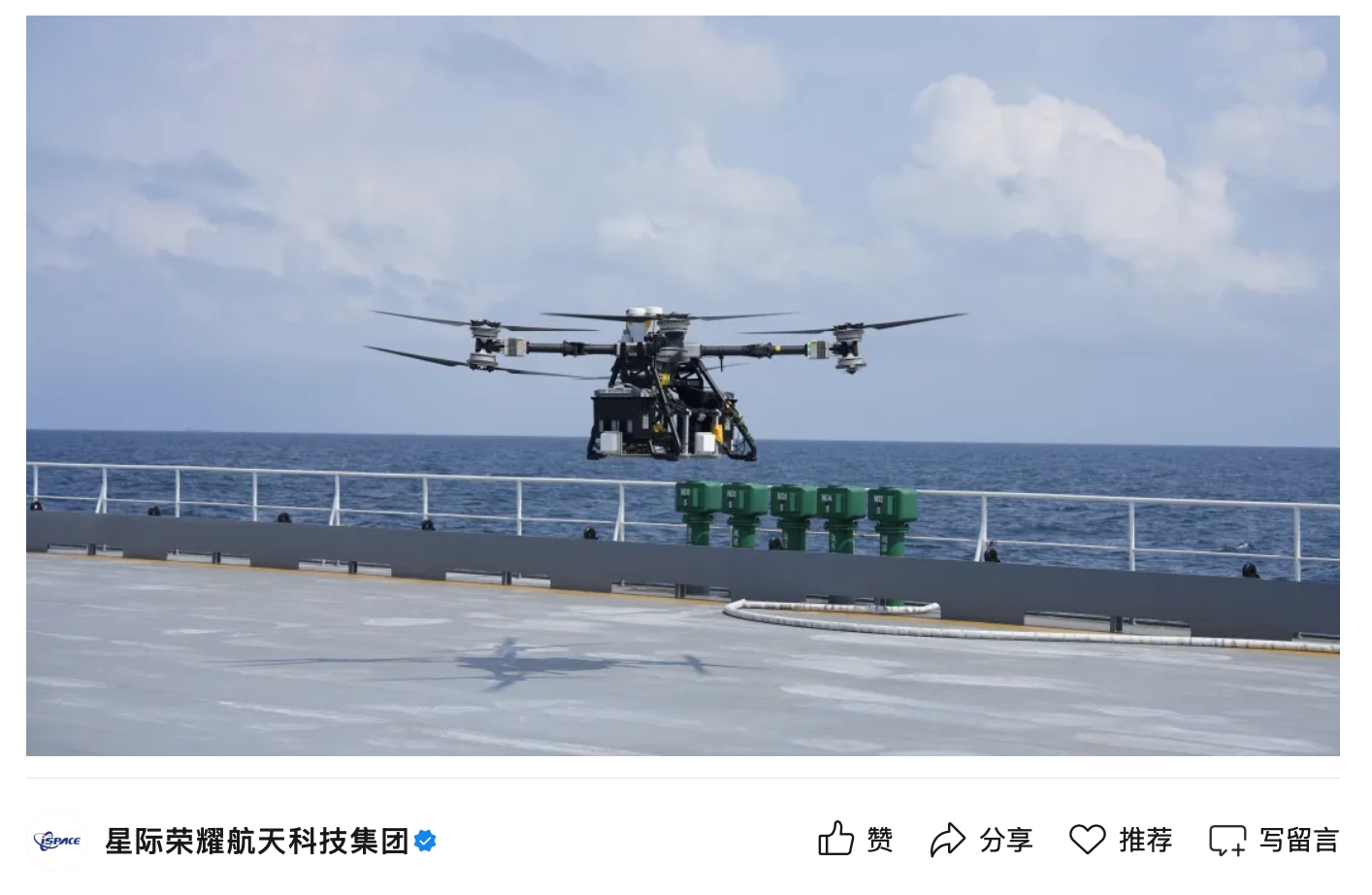
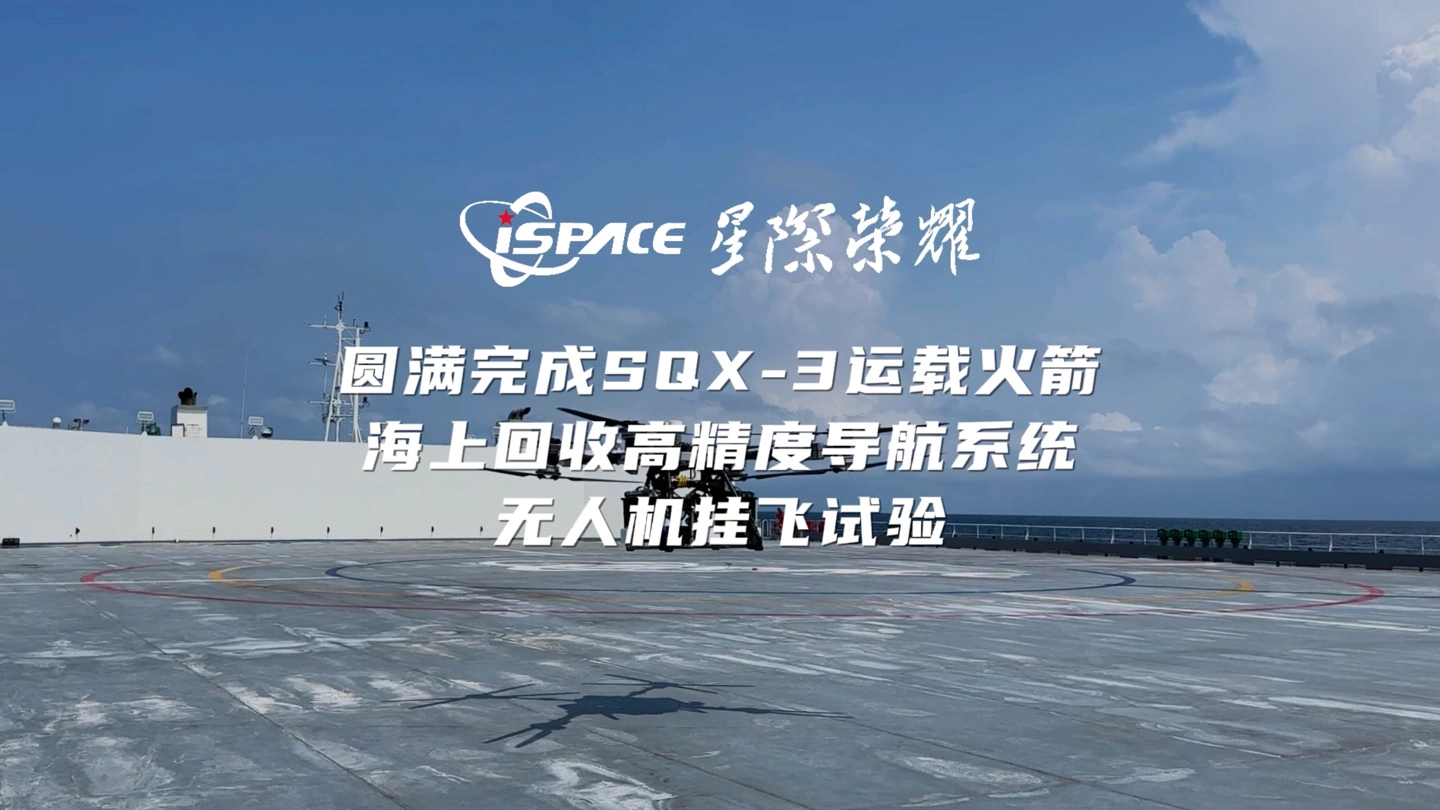
IT之家에 따르면, Honor의 별빛(星际) 사업부는 최근 '성지귀항' 호 해상 회수선을 이용해 광둥 양장 해역에서 SQX-3 운반 로켓의 해상 회수 고정밀 항법 시스템 드론 탑재 비행 시험을 성공적으로 완료했습니다. 모든 기술 지표가 설계 요구 사항을 충족한 것으로 나타났습니다.
공식 발표에 따르면, 이번 시험의 성공적인 마무리는 SQX-3 재사용 운반 로켓 발사선 협력 고신뢰/고정밀 항법 시스템이 모든 지상 검증 작업을 완료했으며, 비행 시험 참여 자격을 갖추었음을 의미합니다.
핵심 기술: 해상 회수 항법 시스템
발사선의 고정밀 항법 시스템은 SQX-3 운반 로켓의 해상 회수 임무에서 핵심적인 역할을 합니다. 이 시스템은 로켓이 해상에 도착하는 마지막 단계에서, 해상 회수선과 발사선 간의 고신뢰성 및 고정밀 상대 항법 위치 정보를 제공합니다.
이는 운반 로켓이 역동적이고 복잡한 해양 환경 속에서도 해상 회수선의 지정된 위치에 정확하고 안정적으로 착륙하는 데 필수적인 보장 장치입니다.
해상 회수의 난이도와 요구 사항
육지에서의 회수와 달리, 해상 회수는 남해 해역의 복잡한 기상 조건 속에서 발생하는 여러 불리한 요인에 직면해야 합니다. 여기에는 다음과 같은 것들이 포함됩니다.
- 회수선의 표류 및 흔들림
- 해양 파도(Sea chop)와 변화무쌍한 해풍장
이러한 환경적 어려움은 로켓 발사선 항법 시스템에 매우 높은 수준의 요구 사항을 제시합니다.
시험 방법 및 결과
IT之家가 입수한 정보에 따르면, 이번 탑재 비행 시험에서는 '드론 탑재 + 해상 회수 플랫폼'이라는 혁신적인 반실물 비행 동적 시뮬레이션 방식을 채택했습니다. 이를 통해 로켓이 회수선에 착륙하는 마지막 단계에서 발생할 수 있는 다양한 작업 환경을 실제 해양 환경 조건 하에서 전면적으로 모의 실험하고 드론 비행 검증까지 수행했습니다.
시험 과정에서, 드론에 탑재된 발사체 장비와 해상 회수 플랫폼의 선박 장비 모두 정상 작동했으며, 발사선 장비 간의 협력도 순조로웠습니다. 또한, 발사선 통신 링크는 안정적이고 신뢰성이 높았으며, 상대 항법 위치 계산도 정상적으로 이루어졌습니다.
이 시스템은 요구 사항에 맞춰 로켓이 회수선 위에서 동적으로 착륙하는 데 필요한 모든 정보를 지속적으로 출력할 수 있었습니다. 모든 성능 지표가 설계 요구치를 능가했으며, 이는 복잡한 해양 환경에서의 시스템 작동 신뢰성과 성능을 충분히 입증했습니다. 이로써 SQX-3 운반 로켓의 1단계 해상 정밀 회수에 완벽한 데이터 지원과 기술적 보장을 제공하게 되었습니다.
총평
이번 시험은 SQX-3 발사체의 해상 회수 시스템이 지상 검증 단계를 넘어 실제 환경에 근접한 복합적인 시뮬레이션을 성공적으로 마쳤음을 보여줍니다. 드론 탑재와 해상 플랫폼을 결합한 방식은 고난도의 해양 환경 조건에서도 항법 시스템의 높은 신뢰성과 정밀도를 입증했습니다. 이는 향후 운반 로켓이 바다 위에서 안전하고 정확하게 회수될 수 있는 기술적 기반을 마련했다는 점에서 큰 의미를 가집니다.
SQX-3 高精度导航系统挂飞试验成功
星际Honor 近日在广东阳江海域圆满完成 SQX-3 运载火箭海上回收高精度导航系统无人机挂飞试验。此次试验的顺利完成,标志着该核心系统已完成所有地面验证工作,具备了参加飞行试验的条件。
核心功能与技术挑战
箭船高精度导航系统是 SQX-3 运载火箭海上回收任务中的核心组件。由于海面环境包含船只漂移、晃动、海浪及多变风场等复杂因素,该系统旨在提供高可靠且高精度的相对导航定位信息,确保火箭能在动态复杂的条件下精准着陆于回收船甲板指定位置。
试验方案与性能验证
本次试验创新采用“无人机挂飞 + 海上回收平台”半实物飞行动态模拟方案,在真实海况下对复杂工况进行全面模拟。测试结果如下:
- 箭载设备与船载设备工作正常
- 箭船链路稳定可靠
- 相对导航定位解算正常
- 各项性能指标均优于设计要求
总结
星际Honor 通过无人机挂飞试验成功验证了 SQX-3 运载火箭海上回收高精度导航系统的性能。该系统在复杂海洋环境下的可靠性已获确认,为后续的实战飞行提供了重要的数据支撑与技术保障。
SQX-3ロケットの海上回収システム試験に成功
IT之家の報道によると、Honorの「星際(Star)」部門は最近、広東省の海域において「聖地帰航」号を使用したSQX-3運搬ロケットの海上回収用高精度ナビゲーションシステム搭載ドローン飛行試験を成功裏に完了しました。すべての技術指標が設計要件を満たしていることが確認されました。
公式発表によると、今回の試験の成功は、SQX-3再利用運搬ロケットの打ち上げ船における協力型高信頼・高精度ナビゲーションシステムがすべての地上検証を完了し、飛行試験への参加資格を備えたことを意味します。
核心技術:海上回収ナビゲーションシステム
ロケットの高度なナビゲーションシステムは、SQX-3運搬ロケットの海上回収ミッションにおいて極めて重要な役割を果たします。このシステムは、ロケットが海上に到達する最終段階において、海上回収船とロケット間の高信頼・高精度な相対航法位置情報を提供します。
これは、運搬ロケットが動的で複雑な海洋環境の中でも、海上回収船の指定された位置に正確かつ安定して着陸するための不可欠な保証装置です。
海上回収の難易度と要求事項
地上での回収とは異なり、海上での回収は南シナ海域の複雑な気象条件による様々な悪条件に直面します。これには以下のような要因が含まれます。
- 回収船の漂流および揺れ
- 海面のうねり(Sea chop)や変化の激しい海風
これらの環境的な困難は、ロケット打ち上げ船のナビゲーションシステムに対して非常に高いレベルの要求を課します。
試験方法と結果
IT之家が入手した情報によると、今回の搭載飛行試験では「ドローン搭載+海上回収プラットフォーム」という革新的な準実機飛行動的シミュレーション手法を採用しました。これにより、ロケットが回収船に着陸する最終段階で発生し得る様々な作業環境を実際の海洋環境条件下で全面的に模擬し、ドローンの飛行検証まで実施しました。
試験の過程において、ドローンに搭載されたロケット機器および海上回収プラットフォームの船舶機器はすべて正常に動作し、装置間の連携も円滑に行われました。また、打ち上げ船の通信リンクは安定しており、相対航法位置の計算も正確に行われました。
このシステムは要求事項に従い、ロケットが回収船の上で動的に着陸するために必要なすべての情報を継続的に出力することができました。すべての性能指標が設計要件を上回り、複雑な海洋環境におけるシステムの動作信頼性と性能を十分に証明しました。これにより、SQX-3運搬ロケットの第1段海上精密回収に向けた完全なデータ支援と技術的な裏付けが提供されることとなりました。
総評
今回の試験により、SQX-3ロケットの海上回収システムが地上検証の段階を超え、実際の環境に近い複合的なシミュレーションを成功裏に完了したことが示されました。ドローン搭載と海上プラットフォームを組み合わせた手法は、困難な海洋環境下においてもナビゲーションシステムの高い信頼性と精度を証明しました。これは、将来的に運搬ロケットが海上で安全かつ正確に回収されるための重要な技術的基盤を確立したことを意味します。
まとめ
Honorの「星際」部門は、SQX-3ロケットの海上回収用高精度ナビゲーションシステムのドローン飛行試験に成功しました。このシステムは、動的な海洋環境下でも正確な着陸を可能にするもので、試験では設計要件を上回る性能と信頼性が確認されました。これにより、次世代の運搬ロケットにおける安全な海上回収に向けた重要な技術的基盤が確立されました。
Successful Test of SQX-3 Launch Vehicle Sea Recovery System
According to IT Home, Honor's "Star" (星际) division recently completed a drone-mounted flight test for the high-precision navigation system of the SQX-3 carrier rocket in the waters off Guangdong. The test utilized the 'Shengji Guihang' sea recovery vessel. All technical indicators were reported to have met the design requirements.
Official announcements state that the successful completion of this test signifies that the high-reliability/high-precision navigation system for the SQX-3 carrier rocket has completed all ground verification tasks and is now qualified for flight testing.
Core Technology: Sea Recovery Navigation System
The high-precision navigation system plays a critical role in the sea recovery missions of the SQX-3 carrier rocket. During the final stages of reaching the ocean, this system provides high-reliability and high-precision relative positioning information between the rocket and the recovery ship.
This serves as an essential guarantee for the carrier rocket to land accurately and stably at a designated location on the recovery vessel amidst dynamic and complex marine environments.
Challenges and Requirements of Sea Recovery
Unlike land-based recovery, sea recovery faces several adverse factors due to complex weather conditions in the South China Sea. These include:
- Drifting and swaying of the recovery ship
- Sea chop and fluctuating sea winds
These environmental challenges impose extremely high requirements on the navigation systems of rocket launch vehicles.
Test Methodology and Results
According to information obtained by IT Home, this flight test adopted an innovative "drone-mounted + sea recovery platform" semi-real flight dynamic simulation method. This approach allowed for the full simulation of various operating environments that occur during the final landing stage under actual marine conditions, while also performing drone flight verification.
During the process, both the launch vehicle equipment mounted on the drone and the ship's equipment on the sea recovery platform operated normally, with seamless cooperation between systems. Furthermore, the communication links were stable and reliable, and relative navigation position calculations were performed correctly.
The system was able to continuously output all information required for the rocket to land dynamically on the recovery ship according to requirements. All performance metrics exceeded design targets, proving the reliability and performance of the system in complex marine environments. This provides full data support and technical assurance for the precise sea recovery of the SQX-3 carrier rocket's first stage.
Overall Assessment
This test demonstrates that the sea recovery system for the SQX-3 launch vehicle has successfully moved beyond ground verification to complex simulations in environments close to reality. The combination of drone mounting and a sea platform proved the high reliability and precision of the navigation system even under difficult marine conditions. This marks a significant milestone in establishing the technical foundation for safe and accurate rocket recovery at sea.
Summary
Honor's "Star" division successfully tested the SQX-3 carrier rocket's high-precision navigation system using a drone-based simulation in coastal waters. The test confirmed that the system can provide reliable positioning data despite challenging marine conditions such as heavy seas and shifting winds. This success provides critical technical assurance for the future precise sea recovery of the first-stage rockets.
SQX-3 高精度导航系统试验成功
星际宣布,在广东阳江海域圆满完成 SQX-3 运载火箭海上回收高精度导航系统无人机挂飞试验。此次试验的顺利完成意味着该核心系统已完成所有地面验证工作,具备了参加飞行试验的条件。
海上回收技术挑战
由于海上环境复杂,相比陆地回收,海上回收面临诸多不利因素,对导航系统的要求极高:
- 回收船在海面上的漂移与晃动
- 复杂的海杂波影响
- 多变的海面风场
试验方案与技术指标
本次试验创新采用“无人机挂飞 + 海上回收平台”半实物飞行动态模拟方案,在真实海况下对火箭着陆前的各种工况进行全面模拟。测试结果显示:
- 箭载设备与船载设备协同有序
- 航程链路稳定可靠
- 相对导航定位解算正常
- 各项性能指标优于设计要求
总结
星际成功完成 SQX-3 运载火箭海上回收高精度导航系统的无人机挂飞试验,验证了系统在复杂海洋环境下的可靠性。该系统能够提供高精度的相对定位信息,为火箭一子级在动态海况下精准着陆于回收船甲板提供关键技术保障。
SQX-3ロケット海上回収システムのテストに成功
IT之家の報道によると、Honorの「星際(Starry)」部門は、広東省陽江海域において、SQX-3運搬ロケットの海上回収用高精度ナビゲーションシステムを搭載したドローン飛行試験を成功裏に完了しました。すべての技術指標が設計要件を満たしていることが確認されました。
公式発表によると、今回の試験の完遂は、SQX-3再利用運搬ロケットの海上回収における核心となる高信頼・高精度ナビゲーションシステムが、すべての地上検証を完了し、飛行試験への参加資格を備えたことを意味します。
コア技術:海上回収ナビゲーションシステム
ロケットの高度なナビゲーションシステムは、SQX-3運搬ロケットの海上回収ミッションにおいて極めて重要な役割を果たします。このシステムは、ロケットが海上に到達する最終段階において、回収船とロケットの間の高信頼・高精度な相対ナビーション位置情報を提供します。
これは、動的で複雑な海洋環境下においても、運搬ロケットが回収船の指定された位置に正確かつ安定して着陸するための不可欠な保証装置です。
海上回収の難易度と要求事項
陸上での回収とは異なり、海上での回収は海域の複雑な気象条件や、以下のような数々の不利な要因に直面します。
- 回収船の漂流および揺れ
- 海面のうねり(Sea chop)や変化の激しい風場
これらの環境的な困難は、ロケットのナビゲーションシステムに対して非常に高いレベルの要求を課します。
試験方法と結果
IT之家が入手した情報によると、今回の搭載飛行試験では「ドローン搭載+海上回収プラットフォーム」という革新的な半実機飛行動的シミュレーション手法を採用しました。これにより、ロケットが回収船に着陸する最終段階で発生し得る様々な作業環境を、実際の海洋条件の下で全面的に模擬実験し、ドローンの飛行検証まで実施しました。
試験の過程において、ドローンに搭載されたロケット用機器と海上回収プラットフォームの船舶設備は共に正常に動作し、両システム間の連携もスムーズに行われました。また、通信リンクは安定しており信頼性が高く、相対ナビゲーション位置の計算も正確に行われました。
このシステムは、要件に従ってロケットが回収船上で動的に着陸するために必要なすべての情報を継続的に出力することができました。すべての性能指標が設計要求値を上回り、複雑な海洋環境におけるシステムの動作信頼性と性能を十分に実証しました。これにより、SQX-3運搬ロケットの第1段階海上精密回収に向けた完全なデータ支援と技術的保証が提供されることとなりました。
まとめ
Honorの「星際」部門は、SQX-3ロケットの海上回収における高精度ナビゲーションシステムのドローン飛行試験に成功しました。このシステムは、動的な海上の環境下でも正確な着陸を可能にする高度な技術を備えており、設計要件を上回る性能が実証されました。今回の成果により、将来の運搬ロケットの安全かつ精密な海上回収に向けた強固な技術基盤が確立されました。
Successful Test of SQX-3 Launch Vehicle Sea Recovery System
According to ITHome, Honor's Star division recently successfully completed a drone-mounted flight test for the high-precision navigation system of the SQX-3 carrier rocket in the waters off Yangjiang, Guangdong. The test utilized the "Xingdi Guihang" sea recovery vessel. All technical indicators were reported to have met the design requirements.
According to official announcements, the successful completion of this test signifies that the high-reliability/high-precision navigation system for the SQX-3 carrier rocket has completed all ground verification tasks and is qualified for flight testing.
Core Technology: Sea Recovery Navigation System
The high-precision navigation system plays a critical role in the sea recovery mission of the SQX-3 carrier rocket. During the final stage of the rocket's arrival at sea, this system provides high-reliability and high-precision relative navigation positioning information between the rocket and the recovery vessel.
This serves as an essential safeguard to ensure that the carrier rocket can land accurately and stably at the designated location on the recovery ship, even within dynamic and complex marine environments.
Challenges and Requirements of Sea Recovery
Unlike land-based recovery, sea recovery must contend with several adverse factors caused by complex meteorological conditions in the South China Sea. These include:
- Drifting and swaying of the recovery vessel
- Sea chop (waves) and fluctuating wind fields
These environmental challenges impose very high requirements on the rocket's navigation system.
Test Methodology and Results
According to information obtained by ITHome, this flight test adopted an innovative "drone-mounted + sea recovery platform" semi-real flight dynamic simulation method. This approach allowed for a comprehensive simulation of various operational environments that may occur during the final landing phase under actual marine conditions, while also performing drone flight verification.
During the testing process, both the rocket equipment mounted on the drone and the ship's equipment on the sea recovery platform operated normally, and cooperation between the two sets of equipment was smooth. Furthermore, the communication links were stable and reliable, and relative navigation position calculations were performed correctly.
The system was able to continuously output all information required for the rocket to land dynamically on the recovery vessel according to specifications. All performance indicators exceeded design requirements, sufficiently proving the reliability and performance of the system in complex marine environments. This provides full data support and technical assurance for the precision sea recovery of the SQX-3 carrier rocket's first stage.
Summary
The successful drone-mounted flight test confirms that the SQX-3's high-precision navigation system is ready for real-world application by successfully simulating complex maritime conditions like waves and wind. By utilizing a "drone + sea platform" simulation, the system proved it can provide reliable positioning for accurate landings. This milestone provides the necessary technical foundation for the safe and precise recovery of the SQX-3 rocket at sea.
试验概况
星际Honor宣布,在广东阳江海域圆满完成SQX-3运载火箭海上回收高精度导航系统无人机挂飞试验。此次试验的成功意味着该核心系统已完成所有地面验证工作,具备了参加飞行试验的条件。
核心功能与技术挑战
箭船高精度导航系统是SQX-3运载火箭在海上回收任务中的关键组件。由于海上环境存在海浪、风场多变以及回收船漂移等复杂因素,该系统必须提供极高可靠性的相对导航定位信息,以确保火箭能在动态变化的海洋环境中精准、平稳地着陆于回收船甲板的指定位置。
技术方案与验证结果
本次试验采用了“无人机挂飞 + 海上回收平台”的半实物飞行动态模拟方案,在真实海况下对火箭回收最后阶段的工况进行了全面模拟。测试结果如下:
- 无人机搭载的箭载设备与海上回收平台的船载设备均工作正常;
- 箭船链路稳定可靠,相对导航定位解算正常;
- 各项性能指标优于设计要求,为SQX-3运载火箭一子级海上精准回收提供了数据支撑。
总结
星际Honor成功完成SQX-3运载火箭高精度导航系统的无人机挂飞试验,验证了系统在复杂海况下的可靠性。该项技术的突破为火箭的一子级海上精准回收提供了关键的技术保障和数据支持。
SQX-3ロケットの海上回収システム試験に成功
IT之家の報道によると、Honorの「星際(Star)」部門は最近、広東省の海域において「聖地帰航」号を使用したSQX-3運搬ロケットの海上回収用高精度ナビゲーションシステム搭載ドローン飛行試験を成功裏に完了しました。すべての技術指標が設計要件を満たしていることが確認されました。
公式発表によると、今回の試験の成功は、SQX-3再利用運搬ロケットの打ち上げ船における協力型高信頼・高精度ナビゲーションシステムがすべての地上検証を完了し、飛行試験への参加資格を備えたことを意味します。
核心技術:海上回収ナビゲーションシステム
この高精度ナビージョンシステムは、SQX-3運搬ロケットの海上回収ミッションにおいて極めて重要な役割を果たします。このシステムは、ロケットが海上に到達する最終段階において、海上回収船とロケット間の高信頼・高精度な相対航法位置情報を提供します。
これは、運搬ロケットが動的で複雑な海洋環境の中でも、海上回収船の指定された位置に正確かつ安定して着陸するための不可欠な保証装置です。
海上回収の難易度と要求事項
地上での回収とは異れ、海上での回収は南シナ海域の複雑な気象条件による様々な悪条件に直面します。これには以下のような要因が含まれます。
- 回収船の漂流および揺れ
- 海面のうねり(Sea chop)や変化の激しい海風
これらの環境的な困難は、ロケット打ち上げ船のナビゲーションシステムに対して非常に高いレベルの要求を課します。
試験方法と結果
IT之家が入手した情報によると、今回の搭載飛行試験では「ドローン搭載+海上回収プラットフォーム」という革新的な準実機飛行動的シミュレーション手法を採用しました。これにより、ロケットが回収船に着陸する最終段階で発生し得る様々な作業環境を実際の海洋環境条件下で全面的に模擬し、ドローンの飛行検証まで実施しました。
試験の過程において、ドローンに搭載されたロケット機器および海上回収プラットフォームの船舶機器はすべて正常に動作し、装置間の連携も円滑に行われました。また、打ち上げ船の通信リンクは安定しており、相対航法位置の計算も正確に行われました。
このシステムは要求事項に従い、ロケットが回収船の上で動的に着陸するために必要なすべての情報を継続的に出力することができました。すべての性能指標が設計要件を上回り、複雑な海洋環境におけるシステムの動作信頼性と性能を十分に証明しました。これにより、SQX-3運搬ロケットの第1段海上精密回収に向けた完全なデータ支援と技術的な裏付けが提供されることとなりました。
総評
今回の試験は、SQX-3ロケットの海上回収システムが地上検証の段階を超え、実際の環境に近い複合的なシミュレーションを成功裏に完了したことを示しています。ドローン搭載と海上プラットフォームを組み合わせた手法は、困難な海洋環境下においてもナビゲーションシステムの高い信頼性と精度を証明しました。これは、将来的に運搬ロケットが海上で安全かつ正確に回収されるための重要な技術的基盤を確立したことを意味します。
まとめ
Honorの「星際」部門は、SQX-3ロケットの海上回収用高精度ナビゲーションシステムのドローン飛行試験において、設計要件を上回る性能と信頼性を確認しました。このシステムは、動的な海洋環境下でも正確な着陸を可能にするものであり、次世代の運搬ロケットにおける安全な海上回収に向けた重要な技術的基盤を確立しました。
Successful Test of SQX-3 Sea Recovery System
According to IT Home, Honor's "Star" (星际) division recently completed a drone-mounted flight test for the high-precision navigation system of the SQX-3 carrier rocket in the waters off Guangdong. The test utilized the 'Shengji Guihang' sea recovery vessel.
The successful completion of this test signifies that the high-reliability and high-precision navigation system for the SQX-3 carrier rocket has completed all ground verification tasks and is now qualified to participate in flight tests. All technical indicators were reported to have met the design requirements.
Core Technology: Sea Recovery Navigation System
The high-precision navigation system plays a critical role in the sea recovery missions of the SQX-3 carrier rocket. During the final stages of reaching the ocean, this system provides high-reliability and high-precision relative positioning information between the rocket and the recovery ship.
This serves as an essential guarantee for the carrier rocket to land accurately and stably at a designated location on the recovery vessel amidst dynamic and complex marine environments.
Challenges of Sea Recovery
Unlike land-based recovery, sea recovery faces several adverse factors due to complex weather conditions in the South China Sea. These include:
- Drifting and swaying of the recovery ship
- Sea chop (waves) and fluctuating sea winds
These environmental challenges impose extremely high requirements on the navigation systems of rocket launch vehicles.
Test Methodology and Results
This flight test adopted an innovative "drone-mounted + sea recovery platform" semi-real flight dynamic simulation method. This approach allowed for the full simulation of various operating environments that occur during the final landing stage under actual marine conditions, while also performing drone flight verification.
During the testing process, both the rocket equipment mounted on the drone and the ship's equipment on the recovery platform operated normally, with smooth coordination between systems. Furthermore, the communication links were stable and reliable, and the relative navigation positioning calculations were performed correctly.
The system was able to continuously output all information required for the rocket to land dynamically on the recovery vessel. All performance metrics exceeded design requirements, fully proving the reliability and performance of the system in complex marine environments. This provides complete data support and technical assurance for the precise sea recovery of the SQX-3 carrier rocket's first stage.
Summary
Honor's "Star" division successfully validated the high-precision navigation system for the SQX-3 carrier rocket through a drone-mounted flight test in Guangdong. The test confirmed that the system can provide reliable positioning and stable landing capabilities despite challenging conditions like sea chop and wind. This success establishes a critical technical foundation for the safe and accurate maritime recovery of future rockets.