핵심 메시지: 미국의 제재가 촉진한 성장
IT之家에 따르면, Huawei의 부회장이자 현 회장인 Xu Zhijun은 최근 인터뷰에서 회사 신규 발표 전략인 "도(韜)의 법칙(Tao Law)"과 논리 폴더블 칩 아키텍처에 대해 언급했습니다. 그는 미국의 제재 압박이 오히려 중국 반도체 산업 생태계의 급속한 성장을 이끌었다고 직접적으로 밝혔습니다.
Xu Zhijun은 "만약 미국이 우리 국가, 우리 회사, 그리고 우리 산업계를 강요하지 않았다면 이런 일을 할 수 없었겠지만, 미국의 덕분에 우리나라 반도체 산업 생태계가 진정으로 성장할 수 있게 되어 감사하다. 지금 기세가 매우 좋고 모두가 인정하며 지지하고 있다"라고 말했습니다.
새로운 전략: '도(韜)의 법칙' 발표
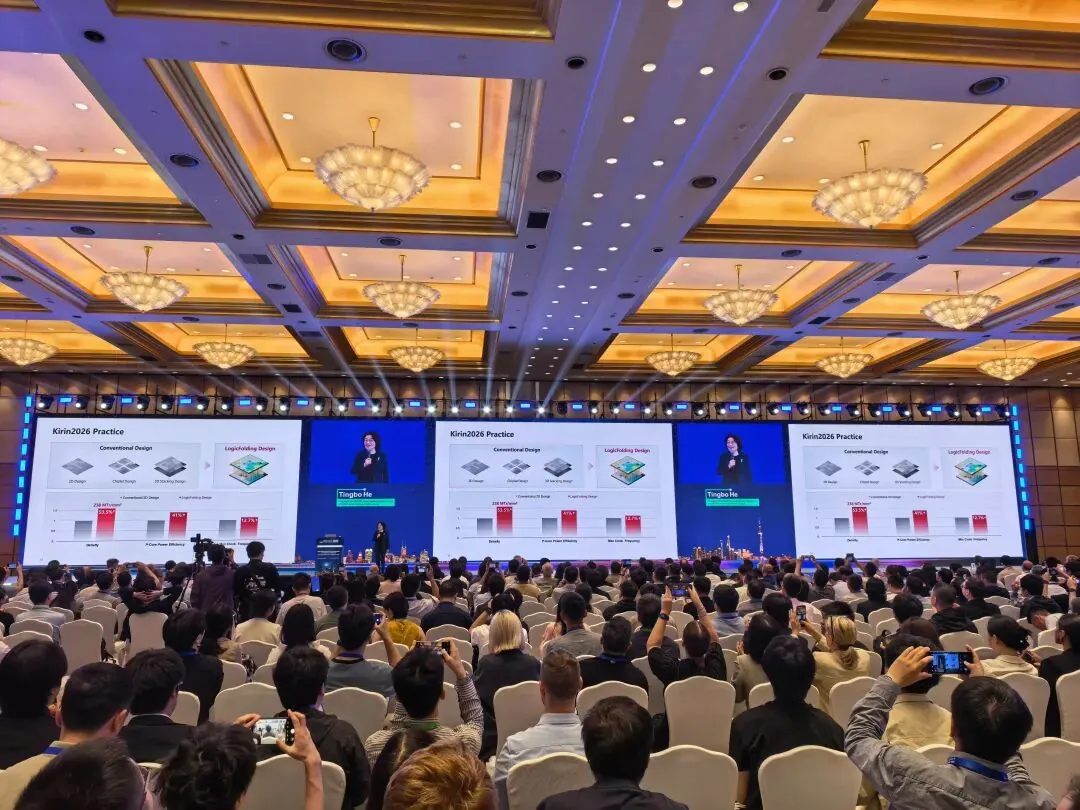
이전에 IT之家에 보도된 바에 따르면, Huawei는 지난 5월 25일 열린 2026 국제 회로 및 시스템 세미나에서 Huawei 이사이자 반도체 사업부 총괄인 He Tingbo가 7년 만에 대중 앞에 나섰습니다. 그는 기조연설을 통해 반도체의 새로운 진화 경로, 즉 "도(韜)의 법칙"을 처음으로 제시했습니다. 이는 중국이 글로벌 반도체 분야에서 산업 발전을 위한 새로운 원칙을 수립하고 발표한 최초의 사례입니다.
자급자족 및 독립성 확보
Xu Zhijun은 Huawei 칩 개발의 지난 6년간의 돌파 과정을 처음으로 공개했습니다. 그는 "HiSilicon이 Huawei 내에서 수익 창출 부서가 아니라 비용 센터였기 때문에 돈을 벌 필요는 없었다. 오직 Huawei가 살아남는다면, HiSilicon도 살아남게 될 것"이라고 설명했습니다.
Huawei 내부에서는 이 '도(韜)의 법칙'이 "He 방식의 법칙"으로 불리기도 합니다. Xu Zhijun은 Huawei의 모든 제품이 중국 본토에서 설계, 제조되며 대규모로 공급될 수 있어 진정한 의미의 외부 의존성 탈피를 실현할 것이라고 강조했습니다.
총평
Huawei는 미국의 제재 환경을 역설적으로 활용하여 자국 반도체 산업 생태계의 독립성과 자급자족 능력을 극대화하는 전략을 추진하고 있습니다. '도(韜)의 법칙'은 단순한 기술 개발 계획을 넘어, 외부 의존성을 완전히 끊고 중국 본토에서 모든 제품군을 설계 및 공급하겠다는 강력한 산업적 선언입니다.
应对制裁与产业链成长
Huawei副董事长、轮值董事长徐直军在接受采访时表示,美国的制裁压力反而促成了中国半导体产业链的快速成长。他强调,由于外部压力的推动,国内相关企业和产业界实现了显著的变革,目前国产半导体产业链势头良好并获得广泛认可。
“韬定律”与技术演进
在5月25日举行的2026国际电路与系统研讨会上,Huawei半导体业务部总裁何庭波提出了全新的半导体演进路径——“韬(τ)定律”。
- 这是中国在全球半导体领域首次提出的指导产业发展的新原则。
- 该定律在Huawei内部也被称为“何式定律”。
海思战略与全产业链突破
徐直军披露了Huawei芯片的六年突围过程,并明确了海思(HiSilicon)在公司内部作为成本中心的定位。
- 核心目标:确保产品能够稳健运行。
- 关键进展:所有产品均可基于大陆设计、制造并规模供应。
- 最终目标:真正实现彻底不依赖外部供应链的国产化替代。
总结
Huawei通过提出“韬定律”正式确立了中国半导体领域的创新演进路径,旨在应对外部制裁压力。公司致力于构建全自主的产业链体系,确保海思芯片在设计、制造及供应上实现完全独立。
核心メッセージ:米国の制裁が加速させた成長
IT之家の報道によると、Huaweiの副会長であり現会長のXu Zhijun氏は、最近のインタビューにおいて、同社の新戦略である「韜(とう)の法則」およびロジック・チップ・アーキテクチャについて言及しました。彼は、米国の制裁圧力がかかったことで、皮肉にも中国の半導体産業エコシステムが急速な成長を遂げたことを直接的に明らかにしました。
Xu Zhijun氏は、「もし米国が我々の国家、企業、そして産業界に圧力を加えなければ、このようなことは成し遂げられなかっただろう。しかし、米国の存在のおかげで、我が国の半導体産業エコシステムは真の成長を遂げることができ、感謝している。現在の勢いは非常に良く、誰もがそれを認め、支持している」と述べました。
新戦略:『韜(とう)の法則』の発表
IT之家が以前に報じたように、Huaweiは去る5月25日に開催された「2026年国際回路・システムセミナー」において、Huaweiのディレクターであり半導体部門の責任者であるHe Tingbo氏が7年ぶりに公の場に登場しました。彼は基調講演の中で、半導体の新たな進化経路、すなわち「韜(とう)の法則」を初めて提示しました。これは、中国がグローバルな半導体分野において産業発展のための新しい原則を確立し、発表した初の事例となります。
自給自足および独立性の確保
Xu Zhijun氏は、Huaweiチップ開発における過去6年間の突破の過程を初めて公開しました。彼は「HiSiliconはHuawei内において収益を生む部門ではなくコストセンターであったため、利益を上げる必要はなかった。Huaweiが生き残るならば、HiSiliconも生き残ることになる」と説明しました。
Huawei内部では、この「韜(とう)の法則」は「Heの手法(He方式)」とも呼ばれています。Xu Zhijun氏は、Huaweiのすべての製品が中国本土で設計・製造され、大規模に供給されることで、真の意味での外部依存からの脱却を実現すると強調しました。
総評
Huaweiは米国の制裁環境を逆手に取り、自国半導体産業エコシステムの独立性と自給自足能力を最大化する戦略を推進しています。「韜(とう)の法則」は単なる技術開発計画を超え、外部への依存を完全に断ち切り、中国国内で全製品群の設計および供給を行うという強力な産業的宣言です。
まとめ
Huaweiは米国の制裁を逆手に取り、自国半導体エコシステムの独立性と成長を加速させる戦略「韜(とう)の法則」を打ち出しました。この戦略は、外部依存を完全に排除し、中国国内での設計・製造・供給体制を確立することを目的とした強力な産業的宣言です。
Core Message: Growth Driven by U.S. Sanctions
According to IT Home, Huawei Vice Chairman and current Chairman Xu Zhijun recently discussed the "Tao Law" (韜の法則) and logic foldable chip architecture in an interview. He explicitly stated that pressure from U.S. sanctions actually accelerated the rapid growth of China's semiconductor industrial ecosystem.
Xu Zhijun remarked, "If the United States had not pressured our country, our company, and our industry, we would not have been able to achieve these results. However, thanks to the U.S., our domestic semiconductor industrial ecosystem has been able to grow truly. The momentum is currently very strong, and it is being recognized and supported by everyone."
New Strategy: Announcement of 'Tao Law'
As previously reported by IT Home, He Tingbo, a Huawei Director and head of the semiconductor business unit, appeared in public for the first time in seven years at the International Circuit and System Seminar held on May 25, 2026. In his keynote speech, he introduced the "Tao Law," representing a new evolutionary path for semiconductors. This marks the first instance where China has established and announced a new principle for industrial development within the global semiconductor field.
Securing Self-sufficiency and Independence
Xu Zhijun revealed the breakthrough process of Huawei's chip development over the past six years. He explained that because HiSilicon functioned as a cost center rather than a profit-generating department within Huawei, it did not need to generate its own profits; if Huawei survived, HiSilicon would survive as well.
Internally at Huawei, this "Tao Law" is also referred to as the "He Method." Xu Zhijun emphasized that all Huawei products will be designed and manufactured within mainland China and supplied on a large scale, achieving true independence from external dependencies.
Overall Assessment
Huawei is leveraging the environment of U.S. sanctions to maximize the independence and self-sufficiency of its domestic semiconductor ecosystem. The "Tao Law" transcends a simple technical development plan; it serves as a powerful industrial declaration to completely sever external dependencies and ensure all product lines are designed and supplied within China.
Summary
Huawei is utilizing U.S. sanctions as a catalyst to accelerate the growth and independence of its domestic semiconductor ecosystem through the "Tao Law" strategy. This initiative aims to achieve full self-sufficiency by ensuring that all products are designed and manufactured within mainland China, effectively removing external dependencies.
应对制裁与产业链成长
Huawei副董事长、轮值董事长徐直军在采访中表示,美国的制裁压力反而促成了中国半导体产业链的快速成长。他强调,外部压力迫使国家、公司及整个产业界进行变革,目前国内半导体产业链已获得广泛认可并展现出强劲势头。
“韬定律”与技术演进
在5月25日举行的2026国际电路与系统研讨会上,Huawei半导体业务部总裁何庭波提出了全新的半导体演进路径——“韬(τ)定律”。这是中国在全球半导体领域首次提出用于指导产业发展的新原则。
海思芯片战略定位
徐直军披露了Huawei芯片的六年突围过程,并明确了核心策略:
- 海思(HiSilicon)在内部被定义为“成本中心”,其核心目标是确保公司生存而非追求利润。
- “韬定律”在内部也被称为“何式定律”。
- 目标是实现所有产品基于大陆设计、制造并规模供应,从而达到彻底不依赖外部的供应链独立。
总结
Huawei通过提出“韬定律”及相关技术路径,旨在应对外部制裁压力并推动国内半导体产业链的自主化。公司明确了海思作为成本中心的战略定位,致力于在设计、制造和供应上实现全方位的国产替代与独立。
米国の制裁が促した成長
IT之家の報道によると、Huaweiの副会長兼現会長であるXu Zhijun氏は、最近のインタビューにおいて同社の新戦略である「韜の法則(Tao Law)」およびロジック・チップ・アーキテクチャについて言及しました。彼は、米国の制裁圧力が皮肉にも中国の半導体産業エコシステムの急速な成長を促したと直接的に明かしています。
Xu Zhijun氏は、「もし米国が我々の国家、企業、そして産業界に圧力をかけてこなければ、このような成果を成し遂けることはできなかった。しかし、米国の制裁のおかげで、我が国の半導体産業エコシステムは真の成長を遂げることができ、感謝している。現在の勢いは非常に良く、広く認められ支持されている」と述べました。
新戦略:「韜の法則」の発表
IT之家の以前の報道によれば、Huaweiは5月25日に開催された「2026国際回路およびシステムセミナー」において、Huaweiのディレクター兼半導体事業部総括であるHe Tingbo氏が7年ぶりに登壇しました。彼は基調講演の中で、半導体の新たな進化経路としての「韜の法則(Tao Law)」を初めて提示しました。これは、中国がグローバルな半導体分野において産業発展のための新しい原則を確立し、発表した初の事例となります。
この「韜の法則」は、Huawei内部では「He式(He's way)の法則」とも呼ばれています。
HiSiliconの戦略とサプライチェーンの突破
Xu Zhijun氏は、Huaweiチップ開発における過去6年間の突破の過程を公開し、HiSiliconが社内で「コストセンター」として位置づけられていることを明らかにしました。
- 核心目標:製品の安定した動作を確保すること。
- 重要な進展:すべての製品を中国本土で設計・製造し、大規模に供給可能にする。
- 最終目標:外部サプライチェーンへの依存を完全に断ち切る、真の国産化代替を実現する。
まとめ
Huaweiは米国の制裁環境を逆手に取り、「韜の法則」を通じて自国半導体産業の独立性と自給自足能力を最大化する戦略を進めています。この戦略は単なる技術開発にとどまらず、設計から製造・供給に至るまでの全工程を国内で完結させることで、外部依存を完全に排除することを目的としています。
Growth Accelerated by U.S. Sanctions
According to IT Home, Huawei Vice Chairman and current Chairman Xu Zhijun recently discussed the company's new strategy, known as the "Tao Law," and logic chip architecture in an interview. He stated that pressure from U.S. sanctions ironically accelerated the rapid growth of China's semiconductor ecosystem. Xu noted that while such progress might not have occurred without external pressures, the resulting growth has led to a robust domestic industry that is gaining widespread recognition.
The "Tao Law" and Technical Evolution
The "Tao Law" was first introduced by He Tingbo, President of Huawei's Semiconductor Business Unit, during the 2026 International Circuit and System Seminar on May 25. This marks the first time a new principle for industrial development in the global semiconductor field has been proposed by China.
- The "Tao Law" is also referred to internally as "He's Law."
- It serves as a guiding principle for the evolution of semiconductors within the Chinese landscape.
HiSilicon Strategy and Supply Chain Independence
Xu Zhijun revealed the six-year breakthrough process of Huawei's chip development, clarifying that HiSilicon functions as a cost center rather than a profit-generating department within the company. The primary focus is on ensuring product stability and reliability.
- Key Progress: All products can now be designed, manufactured, and supplied at scale within mainland China.
- Ultimate Goal: To achieve true independence from external supply chains through localized production.
Summary
Huawei has introduced the "Tao Law" as a strategic roadmap to navigate U.S. sanctions by fostering a self-reliant semiconductor ecosystem. The strategy focuses on ensuring that all HiSilicon chips are designed and manufactured within mainland China to eliminate external dependencies. This move represents a significant commitment to achieving full industrial independence in the global semiconductor market.
美国制裁与产业链成长
Huawei副董事长、轮值董事长徐直军在接受采访时表示,美国的制裁压力反而促成了中国半导体产业链的快速成长。他强调,外部压力推动了相关企业和产业界的变革,目前国内半导体产业链势头良好并获得广泛认可。
“韬定律”与核心理念
在2026国际电路与系统研讨会上,Huawei董事、半导体业务部总裁何庭波提出了半导体全新演进路径——“韬(τ)定律”。这是中国在全球半导体领域首次提出的指导产业发展的新原则。该定律在Huawei内部也被称为“何式定律”。
海思芯片的突围与战略
徐直军披露了海思(HiSilicon)芯片六年的突围过程,并明确了其核心定位:
- 成本中心:海思作为成本中心,不以盈利为首要目标,旨在确保Huawei的生存。
- 全产业链独立:实现所有产品基于大陆设计、制造并规模供应,达成彻底不依赖的目标。
总结
Huawei通过提出“韬定律”确立了半导体领域的全新演进路径,旨在应对外部制裁压力。公司采取“成本中心”策略保障海思芯片的生存,致力于实现国产半导体全产业链的自主可控。
米国の制裁が促した半導体産業の成長
IT之家の報道によると、Huaweiの副会長兼現会長であるXu Zhijun氏は、最近のインタビューにおいて、同社の新戦略である「韜(とう)の法則」およびロジック・チップ・アーキテクチャについて言及しました。彼は、米国の制裁圧力が皮肉にも中国の半導体産業エコシステムの急速な成長を促したことを直接的に明らかにしました。
Xu Zhijun氏は、「もし米国が我々の国家、企業、そして産業界に圧力を加えなければ、このようなことは成し遂げられなかっただろう。しかし、米国の存在があったからこそ、我が国の半導体産業エコシステムは真の成長を遂げることができ、感謝している。現在の勢いは非常に良く、誰もがそれを認め、支持している」と述べました。
新戦略:『韜(とう)の法則』の発表
IT之家が以前に報じた通り、Huaweiは5月25日に開催された「2026年国際回路・システムセミナー」において、Huaweiのディレクターであり半導体事業部責任者のHe Tingbo氏が7年ぶりに公の場に登場しました。彼は基調講演の中で、半導体の新たな進化経路である「韜(とう)の法則」を初めて提示しました。これは、中国がグローバルな半導体分野において産業発展のための新しい原則を確立し、発表した初の事例となります。
自給自足および独立性の確保
Xu Zhijun氏は、Huaweiチップ開発における過去6年間の突破の過程を初めて公開しました。彼は、「HiSiliconはHuawei内において収益を生む部門ではなくコストセンターであったため、利益を上げる必要はなかった。Huaweiが生き残るならば、HiSiliconも生き残ることになる」と説明しました。
Huawei内部では、この「韜(とう)の法則」は「Heの手法(He方式)」とも呼ばれています。Xu Zhijun氏は、Huaweiのすべての製品が中国本土で設計・製造され、大規模に供給されることで、真の意味での外部依存からの脱却を実現すると強調しました。
総評
Huaweiは米国の制裁環境を逆手に取り、自国半導体産業エコシステムの独立性と自給自足能力を最大化する戦略を推進しています。「韜(とう)の法則」は単なる技術開発計画を超え、外部への依存を完全に断ち切り、中国国内で全製品群の設計および供給を行うという強力な産業的宣言です。
まとめ
Huaweiは米国の制裁を逆手に取り、自国半導体エコシステムの独立性と成長を加速させるための戦略「韜(とう)の法則」を打ち出しました。この戦略は、外部依存を完全に排除し、中国国内での設計・製造・供給体制を確立することで、真の自給自足を実現することを目的とした強力な宣言です。
Growth Driven by U.S. Sanctions
Huawei Vice Chairman and current Chairman Xu Zhijun recently stated in an interview that pressure from U.S. sanctions has paradoxically accelerated the rapid growth of China's semiconductor industrial ecosystem. He emphasized that these external pressures forced significant transformations within domestic companies and the broader industry, resulting in a robust and widely recognized domestic semiconductor chain.
Xu Zhijun remarked, "If the United States had not pressured our country, our company, and our industry, we would not have been able to achieve these results. However, thanks to the U.S., our domestic semiconductor industrial ecosystem has been able to grow truly. The momentum is currently very strong, and it is being recognized and supported by everyone."
The "Tao Law" and Technological Evolution
At the International Circuit and System Seminar held on May 25, 2026, He Tingbo, a Huawei Director and head of the semiconductor business unit, appeared in public for the first time in seven years. During his keynote speech, he introduced a new evolutionary path for semiconductors known as the "Tao Law."
- This marks the first instance where China has established and announced a new principle specifically for industrial development within the global semiconductor field.
- Internally at Huawei, this strategy is also referred to as the "He Method."
HiSilicon Strategy and Supply Chain Independence
Xu Zhijun revealed the breakthrough process of Huawei's chip development over the past six years, clarifying HiSilicon's role as a cost center rather than a profit-generating department within the company. Because it was not required to generate its own profits, the focus remained on ensuring the survival and functionality of the technology.
- Core Objective: Ensure products can operate reliably.
- Key Progress: All products are now capable of being designed, manufactured, and supplied on a large scale within mainland China.
- Ultimate Goal: Achieve true domestic substitution by completely eliminating reliance on external supply chains.
The "Tao Law" transcends a simple technical development plan; it serves as a powerful industrial declaration to fully sever external dependencies and ensure that all product lines are designed and supplied domestically.
Summary
Huawei is utilizing U.S. sanctions as a catalyst to accelerate the growth and independence of its domestic semiconductor ecosystem through the "Tao Law" strategy. This initiative aims to achieve full self-sufficiency by ensuring all products are designed, manufactured, and supplied within mainland China, effectively removing external dependencies.