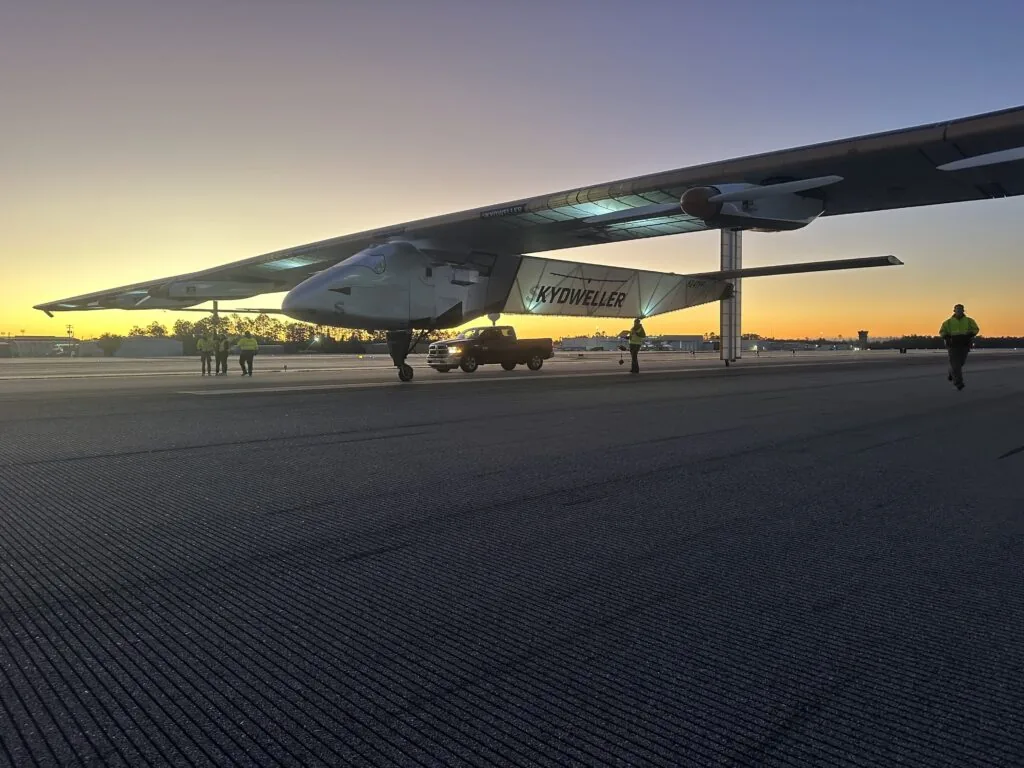
태양광 무인기 추락 사고
IT之家 5월 14일 보도에 따르면, IT 매체 Ars Technica는 오늘(5월 14일) 블로그 게시물을 통해 Skydweller Aero가 개조한 태양광 무인기가 8일 14분간 연속 비행을 마친 후, 강한 악천후와 에너지 부족으로 인해 5월 4일 해상에 불시착하여 침몰했다고 보도했습니다.
이번에 추락한 항공기는 Solar Impulse 2의 개조 버전으로, 이 항공기는 이전에 태양광 항공기로서 최초로 대서양과 태평양 횡단 비행을 완료했으며, 2015년부터 2016년까지 세계 일주 비행을 성공했습니다. 이번 테스트에서 임무를 마쳤습니다.
IT之家는 2025년 7월에 Skydweller가 미국 멕시코만 연안에서 비행 테스트를 완료했다고 보도한 바 있습니다. Solar Impulse 2는 72m의 날개 길이를 자랑하며, 이는 Boeing 747의 날개 너비(68.4m)를 초과합니다. 기체 표면에는 17,000개 이상의 태양 전지가 덮여 있습니다.
Skydweller는 "지속적인 무인 비행"을 더욱 검증하기 위해 Solar Impulse 2를 추가로 개조했습니다. 이번 테스트에서 이 무인기는 미국 미시시피주 Stennis 국제공항에서 이륙하여 플로리다 Key West 근처로 이동, 미국 해군 FLEX 2026 훈련에 참여했습니다.
비행 중 4일 연속으로 레이더, 가시광선 및 열화상 장비를 사용하여 해상 목표를 감시하고, 공중 통신 허브 역할을 하며 해군 항공기 및 함정에 링크 지원을 제공했습니다. 동시에 AIS 선박 응답기와 협력하여 주변 선박을 추적했습니다.
훈련이 끝난 후, 이 무인기는 쿠바와 멕시코 유카탄 반도 사이를 계속 비행하며 더 긴 작전 시간과 공역 유연성을 시연했습니다. 5월 3일 밤, 비행 테스트 임무 중 강한 악천후에 직면했습니다.
Skydweller Aero는 당시 수직 기류 변화 강도가 일반적인 상승 및 하강 속도의 10배를 초과했다고 밝혔습니다. 회사는 비행 중 모든 시스템이 정상적으로 작동했으며, 항공기를 실제로 압도한 것은 지속적인 극한 날씨에 대처할 수 없는 에너지 부족이었다고 강조했습니다.
항공편 추적 서비스 Flight Radar 24에 따르면, 이 무인기는 마지막으로 멕시코 칸쿤 북쪽 상공에서 포착되었습니다. 회사는 항공기가 미국 동부 시간 5월 4일 오전 6시 30분경 "통제된 해상 불시착"을 실시했지만, 복합 재료 기체가 부력을 갖추지 못해 결국 바다에 가라앉았다고 밝혔습니다.
총평
Skydweller Aero의 태양광 무인기가 8일간의 비행 임무 중 악천후와 에너지 부족으로 해상에 불시착하여 침몰했습니다. 이 무인기는 Solar Impulse 2를 개조한 것으로, 해상 감시 및 통신 허브 역할을 수행하며 장시간 비행 능력을 입증했습니다. 하지만 예상치 못한 극한 기상 조건에 대처할 에너지 비축량 부족이 사고의 주요 원인으로 지목되었습니다.
无人机事故动态
一架由 Skydweller Aero 改装的太阳能无人机在连续飞行 8 天 14 分钟后,因遭遇极端恶劣天气且能源储备不足,于 5 月 4 日在海上实施受控迫降并最终沉没。
- 事故原因:强烈的垂直气流变化强度超过常规水平的 10 倍,导致能量耗尽。
- 最后位置:Flight Radar 24 显示其最后出现在墨西哥坎昆以北空域。
- 沉没原因:由于机体采用复合材料且不具备浮力,迫降后迅速沉入海中。
设备规格与背景
该无人机是 Solar Impulse 2 的改装版本,旨在验证“持续无人飞行”的技术可行性。
- 翼展:72 米(超过波音 747 的 68.4 米)。
- 能源系统:机身表面覆盖超过 17,000 块太阳能电池。
- 历史记录:原 Solar Impulse 2 已完成跨大西洋、跨太平洋飞行及环球飞行任务。
演习任务与技术应用
该无人机在测试期间参与了美国海军 FLEX 2026 演习,展示了长时作战与空域灵活性。
- 监测能力:配备雷达、可见光及热成像设备监视海上目标。
- 通信功能:作为空中通信枢纽,为海军飞机和舰艇提供链路支持。
- 辅助定位:配合 AIS 船舶应答器追踪周边船只。
总结
Skydweller Aero 改装的 Solar Impulse 2 太阳能无人机在执行长达 8 天以上的远程飞行测试时,因极端天气导致能源不足而最终沉没。尽管该设备具备巨大的翼展和强大的太阳能供电能力,但在面对极端的自然环境挑战时仍面临技术瓶颈。
太陽光無人機の墜落事故
IT之家の報道(5月14日)によると、ITメディアのArs Technicaはブログ記事を通じて、Skydweller Aeroが改造した太陽光無人機が、14日間にわたる連続飛行の末、悪天候とエネルギー不足により5月4日に海上で不時着し、沈没したことを報じました。
墜落した機体はSolar Impulse 2の改造版であり、この機体は以前に太陽光航空機として初めて大西洋と太平洋を横断し、2015年から2016年にかけて世界一周飛行を成功させた実績を持っています。今回のテストにおいても任務を遂行していました。
IT之家は、Skydwellerが米国メキシコ湾沿岸で飛行テストを完了したことを報じたことがあります。Solar Impulse 2の仕様は以下の通りです。
- 翼幅:72m(Boeing 747の翼幅68.4mを上回る)
- 太陽電池数:機体表面に17,000個以上を搭載
Skydwellerは「持続的な無人飛行」をさらに検証するため、Solar Impulse 2を追加改造しました。このテストにおいて、無人機は米国ミシシッピ州のStennis国際空港から離陸し、フロリダ州キーウェスト付近へ移動して、米海軍のFLEX 2026訓練に参加しました。
飛行期間中の4日間、この機体は以下の役割を遂行しました。
- レーダー、可視光、熱画像装置を使用した海上目標の監視
- 空中通信ハブとしての役割および海軍機・艦艇へのリンク支援の提供
- AIS船舶応答機と連携した周辺船舶の追跡
訓練終了後、この無人機はキューバとメキシコのユカタン半島の間を飛行し続け、より長い運用時間と空域の柔軟性を実証しました。しかし、5月3日の夜、飛行テスト任務中に激しい悪天候に遭遇しました。
Skydweller Aeroによると、当時の垂直気流の変化強度は通常の上昇・下降速度の10倍を超えていたとのことです。同社は、飛行中のすべてのシステムは正常に動作しており、機体を追い詰めた要因は極端な気象条件に対応しきれなかったエネルギー不足であったと強調しています。
航空追跡サービスFlight Radar 24によると、この無人機は最後にメキシコ・カンクン北方の空域で確認されました。同社は、機体が米国東部時間の5月4日午前6時30分頃に「制御された海上不時着」を実施したものの、複合材料製の機体が浮力を備えていなかったため、最終的に海に沈んだと明らかにしました。
まとめ
Skydweller Aeroの太陽光無人機は、Solar Impulse 2をベースとした高度な技術を搭載し、長期間の海上監視や通信支援能力を実証していました。しかし、予期せぬ極端な気象条件に直面した際、それに対応するための十分なエネルギーを確保できなかったことが墜落・沈没の主な原因となりました。
Solar-Powered Drone Crash
According to a report from IT Home on May 14, the technology outlet Ars Technica published a blog post stating that a solar-powered drone modified by Skydweller Aero crashed and sank in the sea on May 4. The aircraft had completed a continuous flight of 14 minutes on the 8th before succumbing to severe weather conditions and an energy shortage.
The downed aircraft was a modified version of Solar Impulse 2, which previously made history as the first solar-powered aircraft to complete both Atlantic and Pacific crossings and successfully performed a global circumnavigation between 2015 and 2016. The aircraft completed its mission during this specific test.
Skydweller had previously reported completing flight tests off the coast of the Gulf of Mexico in July 2025. The Solar Impulse 2 features significant technical specifications:
- Wingspan: 72m (exceeding the 68.4m wingspan of a Boeing 747)
- Solar Cells: Over 17,000 cells covering the aircraft surface
Skydweller modified the Solar Impulse 2 to further validate "persistent unmanned flight." During this test, the drone took off from Stennis International Airport in Mississippi and flew toward Key West, Florida, to participate in the U.S. Navy's FLEX 2026 exercise.
During its operation, the aircraft performed several key functions:
- Monitored maritime targets for four consecutive days using radar, visible light, and thermal imaging equipment.
- Served as a communication hub, providing link support to naval aircraft and ships.
- Collaborated with AIS transponders to track nearby vessels.
Following the conclusion of the exercise, the drone continued its flight between Cuba and the Yucatan Peninsula in Mexico to demonstrate extended operational time and airspace flexibility. On the night of May 3, however, it encountered severe weather during its test mission.
Skydweller Aero stated that the intensity of vertical air currents at the time exceeded normal ascent and descent speeds by more than ten times. The company emphasized that while all systems functioned correctly during flight, the aircraft was ultimately overwhelmed by an energy shortage caused by enduring extreme weather conditions.
According to Flight Radar 24, the drone was last detected over the waters north of Cancun, Mexico. The service reported that the aircraft performed a "controlled ditching" at approximately 6:30 AM ET on May 4; however, because its composite material structure lacked buoyancy, it ultimately sank into the sea.
Summary
A solar-powered drone modified from Solar Impulse 2 crashed and sank in the ocean due to severe weather and insufficient energy reserves during a long-endurance flight test. While the aircraft successfully demonstrated its capabilities as a maritime monitoring and communication hub, it was ultimately overwhelmed by extreme environmental conditions that depleted its power supply.