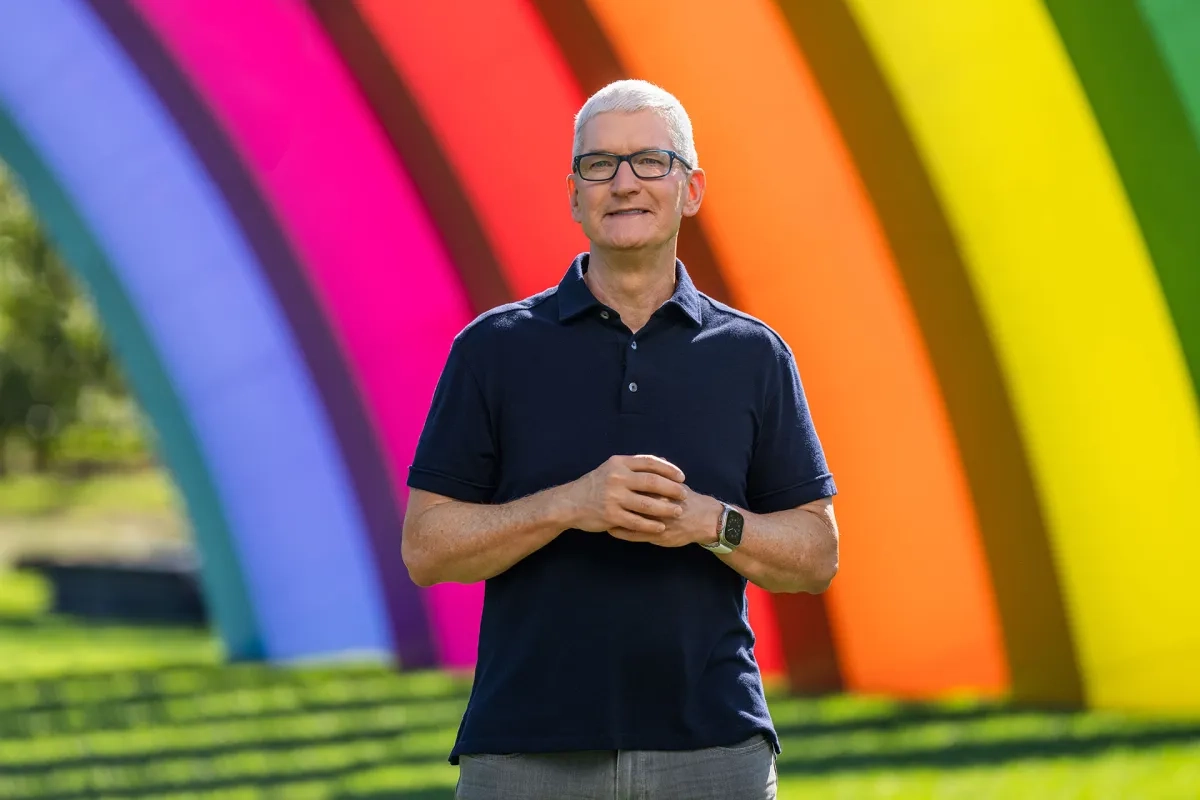
Apple의 AI 투자 확대
Apple이 지난 분기 연구 개발(R&D) 지출이 매출의 10.3%를 기록하며, 최소 30년 만에 처음으로 매출 1달러당 10센트 이상을 R&D에 투자했습니다. 이는 Apple이 인공지능(AI) 분야에 막대한 투자를 하고 있다는 가장 강력한 신호 중 하나입니다.
지난 분기 Apple의 R&D 지출은 전 분기 7.6%, 전년 동기 9% 대비 크게 증가했습니다. 같은 기간 매출은 전년 대비 17% 증가하여 2021년 이후 가장 빠른 분기별 성장률을 기록했지만, R&D 지출 증가율은 매출 증가율의 두 배에 달하는 약 34%를 기록했습니다.
Apple CEO 팀 쿡은 15년간의 재임 후 곧 물러날 예정이며, 2022년 말 생성형 AI 열풍이 시작된 이래 투자자들이 기대했던 수준의 자원을 AI 분야에 투입하고 있습니다. Deepwater Asset Management의 전무 파트너 진 먼스터는 Apple의 R&D 투자 확대가 클라우드 기반 기술 대기업들과의 격차를 좁히고 있다고 평가했습니다. 그는 Google, Microsoft, Meta, Amazon의 R&D 지출이 이번 분기 평균 29% 증가했다고 언급했습니다.
먼스터는 "Apple은 AI R&D 투자에서 다른 기술 대기업들을 따라잡고 있습니다. 이는 Apple이 새로운 AI 제품을 출시해야 한다는 긴급성을 느끼고 있다는 신호입니다"라고 말했습니다.
실적 및 전망
지난주 Apple은 애널리스트들의 예상을 뛰어넘는 실적을 발표했으며, 매출 전망치도 상향 조정했습니다. 실적 발표 컨퍼런스 콜에서 Apple은 iPhone과 Mac 수요 급증, 그리고 AI 인프라 수요 폭증으로 인한 글로벌 스토리지 칩 부족이라는 두 가지 주요 포인트를 강조했습니다.
R&D 지출의 대폭 증가는 쿡 CEO도 주목한 부분입니다. 그는 오는 9월 하드웨어 사업을 오랜 기간 담당해온 존 터너스에게 회사 최고 경영권을 넘길 예정입니다. 쿡은 컨퍼런스 콜에서 "우리는 확실히 투자를 늘리고 있습니다"라고 말하며, R&D 투자가 회사 전체 사업 성장률을 훨씬 뛰어넘고 있으며, Apple이 다양한 제품 및 서비스 R&D에 지속적으로 투자하고 있다고 언급했습니다.
번스타인 애널리스트들은 일요일 발표된 보고서에서 이번 R&D 지출 급증에 특별히 주목하며, 작년 4분기부터 올해 1분기까지의 증가가 Apple이 AI 기회를 잡기 위해 전력을 다하고 있음을 보여준다고 분석했습니다. 또한, Apple은 올해 말 Siri와 Apple Intelligence 업데이트를 출시할 것이라고 공식 확인했습니다.
Bank of America 애널리스트들은 보고서에서 Apple의 2분기 R&D 지출이 매출의 10% 이상을 유지할 것이며, 하반기에 소폭 하락할 것으로 예상했습니다. Morgan Stanley의 분석 모델도 Apple의 2026 회계연도 R&D 투자가 크게 증가할 것으로 예측했습니다.
역사적 맥락과 AI 시대의 기회
지난 20년 대부분 동안 Apple의 R&D 지출은 매출의 한 자릿수 초반에서 중반을 맴돌았으며, 최근 몇 년 동안에야 서서히 증가하기 시작했습니다. 이번 R&D 투자 확대는 21세기 초를 연상시킵니다. 당시 Apple은 닷컴 버블 붕괴와 9.11 사태 이후의 산업 침체에서 회복하고 있었습니다.
2001년 말, Apple은 음악 산업을 완전히 뒤바꾼 첫 iPod을 출시하며 글로벌 가전제품 선두 기업으로 부상했습니다. 2001년 Apple의 R&D 지출은 매출의 5%에서 8%로 급증했으며, 2003년까지 이 수준을 유지했습니다. 같은 해 Apple은 iTunes Music Store를 출시하며 사업 도약의 길을 열었습니다.
D.A. Davidson의 애널리스트 길 루리아는 Apple이 현재 AI에 투자하는 방식이 과거 iPod에 집중했던 시기와 매우 유사하다고 평가했습니다. 당시 Apple은 새로운 하드웨어 플랫폼을 구축하여 제품 형태를 재정의했습니다.
그러나 그는 현재 AI 시장 기회의 규모는 당시와는 비교할 수 없을 정도로 크다고 지적했습니다. 2003 회계연도에 Apple의 매출은 62억 1천만 달러였고 R&D 투자는 4억 7천1백만 달러에 불과했지만, 현재 Apple의 주간 매출은 당시 연간 매출을 훨씬 뛰어넘습니다.
루리아는 Apple 주식에 대해 '보유' 등급을 부여하며 "현재 매출의 10%를 R&D에 투자하는 것은 당시와는 비교할 수 없는 비용과 규모입니다. 핵심 이유는 사업 규모가 훨씬 커졌기 때문입니다. 당시 히트작인 iPod은 수백만 대가 팔렸지만, 미래의 스마트 안경, AI 스마트 웨어러블 기기와 같은 신제품은 수억 대 규모의 판매량을 기록할 수 있을 것입니다"라고 말했습니다.
미래 제품 및 전략
Apple은 아직 출시 예정인 새로운 하드웨어 제품군을 공식 발표하지 않았지만, 블룸버그는 올해 초 Apple이 Siri를 기반으로 하는 세 가지 AI 웨어러블 기기(스마트 안경, 스마트 펜던트, 카메라가 탑재된 AirPods 이어폰) 개발에 박차를 가하고 있다고 보도했습니다.
자본 지출 측면에서 Apple은 동종 기술 대기업들에 비해 현저히 뒤처져 있습니다. Google, Amazon, Meta, Microsoft는 매년 수천억 달러를 자본 지출에 투자하여 AI 칩과 컴퓨팅 시스템을 위한 데이터 센터를 대규모로 확장하고 있습니다.
지난 두 회계 분기 동안 Apple의 자본 지출은 43억 달러(약 294.12억 위안)에 불과했으며, 전년 동기 약 60억 달러보다 감소했습니다. 현재 Apple은 Google과의 협력에 크게 의존하고 있으며, 올해 1월에는 Google Gemini 대규모 언어 모델 기술을 새로운 Siri를 포함한 AI 기능의 기반으로 사용할 것이라고 발표했습니다.
컨퍼런스 콜에서 자체 AI 모델 개발과 Google과의 협력 관계를 어떻게 균형을 맞출 것인지에 대한 질문에 쿡은 "우리는 Google과의 협력이 순조롭게 진행되고 있습니다"라고만 답했습니다. 그는 "현재 협력 상황에 만족하며, 동시에 자체 개발 관련 작업도 꾸준히 추진하고 있습니다"라고 덧붙였습니다.
Apple의 최고재무책임자(CFO) 케빈 파레크는 컨퍼런스 콜에서 회사의 투자 계획이 변경될 것이며, 더 이상 '순현금 중립'을 목표로 하지 않고 미래에는 현금 보유량과 부채 구조를 독립적으로 평가할 것이라고 밝혔습니다.
Laffer Tengler Investments의 CEO 낸시 텡글러는 매출 전망 상향 조정, R&D 투자 확대, 현금 관리 전략 조정이라는 세 가지 신호가 결합되어 Apple이 중요한 계획을 준비하고 있음을 의미한다고 분석했습니다.
텡글러는 "애널리스트들은 Apple이 무엇을 개발하고 있는지 계속해서 질문하지만, Apple은 항상 답변을 회피하는 스타일입니다. 올해 새로운 Siri가 출시될 예정이지만, 분명히 회사는 더 많은 중요한 제품을 준비하고 있습니다"라고 말했습니다.
산업 분석 기관 Asymco의 설립자 호레이스 디디우도 막대한 R&D 자금의 흐름이 현재 가장 큰 의문이라고 동의했습니다. 그는 이번 R&D 증가분 대부분이 다른 기술 대기업들처럼 대규모 데이터 센터를 자체 구축하는 대신 인재 채용, 팀 구성, AI 훈련 및 모델 개발에 투자되었다고 분석했습니다. 동시에 Apple은 칩, 광학, 배터리, 신소재, 센서 및 소형화된 하드웨어 형태 등 하드웨어 기반 R&D에 전면적으로 투자하고 있습니다.
디디우는 "인공지능이 R&D 투자의 핵심 방향이지만, R&D 지출이 자본 지출과 동일하지는 않습니다"라고 말했습니다.
Oppenheimer 애널리스트들은 R&D 자금의 투자 방향을 분석한 후, Apple이 온디바이스 AI, 프라이빗 클라우드 컴퓨팅, 자체 개발 칩 기반의 에이전트 AI 및 개인 정보 보호 보안 분야에 중점적으로 투자하고 있으며, 이러한 분야들은 장기적이고 지속적인 기술 R&D 투자를 필요로 한다고 지적했습니다.
이는 AI가 클라우드에서 단말 장치로 이동하고 있으며, Apple이 AI를 iPhone, Mac, iPad 생태계에 깊이 통합하는 능력을 통해 자연스러운 경쟁 우위를 가지고 있다는 Apple의 핵심 판단과도 일치합니다. Oppenheimer 애널리스트들은 현재 Apple의 R&D 투자가 상업화 수익화 속도보다 앞서 있다고 평가했습니다.
투자자들은 다음으로 6월 Apple 세계 개발자 회의(WWDC)에 주목하고 있습니다. Apple은 일반적으로 이 행사에서 여러 가지 새로운 서비스와 기능을 발표합니다. 또한, 올해 가을 Apple은 수년 만에 처음으로 중요한 형태 변화를 가져올 iPhone 폴더블 모델을 출시하고, 오랫동안 기다려온 AI 버전 Siri를 선보일 것으로 예상됩니다.
내부적으로 Apple은 자체 AI 대규모 언어 모델을 개발하고, 온디바이스 추론 전용 칩을 개발하며, Apple 지능형 시스템을 지원하는 기반 인프라를 확장해왔습니다. 투자자들은 막대한 R&D 투자가 언제쯤 실제 제품과 새로운 사업 주기로 전환될지 간절히 알고 싶어 합니다.
그러나 쿡은 이에 대해 여전히 함구하고 있습니다. 그는 컨퍼런스 콜에서 "우리는 미래 제품 로드맵을 절대 공개하지 않습니다"라고 말했습니다.
총평
Apple은 최근 R&D 지출을 매출의 10.3%까지 늘리며 AI 분야에 대한 막대한 투자를 공식화했습니다. 이는 AI 기술 경쟁에서 선두를 달리는 다른 빅테크 기업들과의 격차를 좁히고, 새로운 AI 제품 출시를 위한 강력한 의지를 보여줍니다. Apple은 온디바이스 AI, 프라이빗 클라우드 컴퓨팅, 자체 칩 기반 AI 및 개인 정보 보호 보안에 집중 투자하며, 올해 WWDC에서 새로운 AI 기능과 잠재적인 폴더블 iPhone을 선보일 것으로 기대됩니다.
财务数据与研发投入
Apple第一季度研发支出占营收比例达到10.3%,创下至少30年来的新高(此前分别为7.6%和9%)。尽管该季度营收同比增长17%,但研发开支的增速达到了营收增速的两倍,同比增幅接近34%。
- 分析师预测Apple第二季度研发支出占营收比例仍将维持在10%以上。
- 此项大幅增长被视为Apple为人工智能宏大愿景投入重金的关键信号。
行业竞争与战略动向
随着Google、Microsoft、Meta和Amazon等科技巨头在AI领域加大投入,Apple的研发扩张反映出其对推出新AI产品的紧迫感。
- 官方已确认将于今年晚些时候推出Siri与Apple Intelligence更新。
- 首席执行官Tim Cook表示公司正显著增加投资力度,持续布局各类产品与服务。
历史对比与产品预测
当前的研发扩张被比作2001年推出的iPod时期。当时Apple通过新硬件平台重新定义了产品形态,而如今的AI赛道规模远超以往。
- 潜在新品包括:智能眼镜、智能吊坠、搭载摄像头的AirPods以及可能在秋季推出的折叠机型。
- 未来相关产品的销量预期可达数亿台级别。
技术路线与核心领域
Apple的研发重点在于将人工智能从云端向终端设备迁移,并深度融入其生态系统。
- 核心布局领域:端侧人工智能、私有云算力、基于自研芯片的智能体AI以及隐私安全。
- 硬件底层开发:涵盖芯片、光学、电池、新材料、传感器及小型化硬件形态。
合作伙伴关系与资本布局
在基础设施和合作方面,Apple采取了稳健且有针对性的策略。
- 合作伙伴:Apple已确认采用Google的Gemini大模型技术为新版Siri提供底层支撑。
- 资本支出:虽然目前资本开支低于部分同行,但公司正调整投资规划,不再以“净现金中性”为目标。
总结
Apple近期将研发投入比例提升至10.3%的历史高位,标志着其在人工智能领域的战略重心显著增强。通过加大端侧AI、自研芯片以及与Google的深度合作,Apple正致力于在技术突破与硬件创新上抢占市场先机。
AppleのAI投資拡大
Appleは前四半期の研究開発(R&D)支出が売上の10.3%を記録し、少なくとも30年ぶりに売上1ドルあたり10セント以上をR&Dに投入しました。これは、Appleが人工知能(AI)分野に対して巨額の投資を行っていることを示す強力なシグナルの一つです。
前四半期のR&D支出は、前々四半期の7.6%、前年同期の9%から大幅に増加しました。同期間の売上は前年比17%増で2021年以降で最も速い四半期成長率を記録しましたが、R&D支出の伸び率は売上の伸びの約2倍にあたる約34%に達しました。
AppleのCEOティム・クックは、2022年末の生成AIブームの開始以来、投資家が期待するレベルの資源をAI分野に投入しています。Deepwater Asset Managementのシニアパートナーであるジーン・モンスター氏は、AppleのR&D投資拡大がクラウドベースの技術大手との差を縮めていると評価しました。同氏は、Google、Microsoft、Meta、AmazonのR&D支出が今四半期で平均29%増加したことに言及しています。
モンスター氏は「AppleはAIのR&D投資において他のテック大手に追いつきつつあります。これは、Appleが新しいAI製品をリリースする必要性を強く感じている兆候です」と述べています。
業績と見通し
先週、Appleはアナリストの予想を上回る決算を発表し、売上見通しも上方修正しました。決算発表のカンファレンスコールにおいて、AppleはiPhoneとMacの需要急増、およびAIインフラ需要の爆発による世界的なストレージチップ不足という2つの主要なポイントを強調しました。
R&D支出の大幅な増加はクックCEOも注目する点です。彼は、今後9月にハードウェア事業を長年担当してきたジョン・ターナーズに最高経営権を引き継ぐ予定です。クックはカンファレンスコールで「我々は確実に投資を増やしている」と述べ、R&D投資が会社全体の事業成長率を大幅に上回っており、多様な製品やサービスへの継続的な投資を行っていることを強調しました。
バーンスタインのアナリストらは、今回のR&D支出の急増に注目しており、昨年末から今年初めにかけての増加はAppleがAIの機会を掴むために全力を尽くしていることを示していると分析しています。また、Appleは今年末までにSiriとApple Intelligenceのアップデートをリリースすることを公式に確認しました。
Bank of Americaのアナリストらは、Appleの第2四半期のR&D支出が売上の10%以上を維持し、下半期にはわずかに減少すると予測しています。Morgan Stanleyの分析モデルも、Appleの2026会計年度のR&D投資が大幅に増加すると予測しています。
歴史的背景とAI時代のチャンス
過去20年以上の大部分において、AppleのR&D支出は売上の一桁台前半から中盤で推移しており、ここ数年になってようやく上昇し始めていました。今回の投資拡大は、21世紀初頭を彷彿とさせます。当時、Appleはドットコムバブル崩壊や9.11の事件後の産業停滞から回復しようとしていた時期でした。
2001年末、Appleは音楽業界を一変させた最初のiPodを発表し、世界的な家電製品のリーダーへと浮上しました。同年、AppleのR&D支出は売上の5%から8%へと急増し、2003年までその水準を維持しました。同年にiTunes Music Storeをリリースし、ビジネスの飛躍への道を開きました。
D.A. Davidsonのアナリストであるギル・ルリア氏は、現在のAppleによるAIへの投資方法が、かつてiPodに注力していた時期と非常に類似していると評価しています。当時、Appleは新しいハードウェアプラットフォームを構築し、製品の形態を再定義したのです。
しかし、彼は現在のAI市場の機会の規模が当時とは比較にならないほど大きいと指摘しています。2003会計年度のAppleの売上は62億1,000万ドルで、R&D投資はわずか4億7,100万ドルでしたが、現在のAppleの週次売上は当時の年間売上を大きく上回っています。
ルリア氏はApple株に「保有」評価を与え、「現在売上の10%をR&Dに投資することは、当時とは比較にならないコストと規模を伴います。その主な理由はビジネスの規模が格段に拡大したためです。かつてのヒット作であるiPodは数百万台売れましたが、将来のスマートグラスやAI搭載ウェアラブル機器などの新製品は、数億台規模の販売を記録する可能性があります。」と述べています。
未来の製品と戦略
Appleはまだ発表予定の新しいハードウェア製品群を公式に発表していませんが、Bloombergは今年初め、AppleがSiriをベースとした3つのAIウェアラブルデバイス(スマートグラス、スマートペンダント、カメラ搭載のAirPods)の開発を加速していると報じています。
資本支出(CapEx)の面では、Appleは競合するテック大手に比べて大きく遅れをとっています。Google、Amazon、Meta、Microsoftは毎年数千億ドルを資本支出に投じ、AIチップやコンピューティングシステムのためのデータセンターを大規模に拡張しています。
過去2つの会計四半期において、Appleの資本支出はわずか43億ドル(約294.12億元)であり、前年同期の約60億ドルよりも減少しました。現在、AppleはGoogleとの協力に大きく依存しており、今年1月にはGoogle Geminiの大規模言語モデル技術を新しいSiriを含むAI機能の基盤として採用することを発表しました。
カンファレンスコールで独自のAIモデル開発とGoogleとの協力関係のバランスについて問われた際、クックは「Googleとの協力は順調に進んでいます」とだけ答えました。彼は「現在の協力状況に満足しており、同時に自社開発に関する作業も着実に進めています」と付け加えました。
AppleのCFOケビン・ファーレックは、会社の投資計画が変更され、今後は「純現金中立(net cash neutral)」を目標とせず、将来的に現金の保有量と負債構造を独立して評価するようになると明らかにしました。
Laffer Tengler InvestmentsのCEOナンシー・テングラーは、売上見通しの引き上げ、R&D投資の拡大、資金管理戦略の調整という3つのシグナルが組み合わさることで、Appleが重要な計画を準備していることを示唆していると分析しました。
テングラー氏は「アナリストはAppleが何を開発しているのか問い続けていますが、Appleは常に回答を避けるスタイルです。今年新しいSiriが登場する予定ですが、会社はさらに多くの重要な製品を準備していることは明らかです」と述べています。
産業分析機関Asymcoの創設者ホレイス・ディディウも、膨大なR&D資金の流れが現在最大の疑問であることに同意しました。彼は、このR&D増加分の大部分が、他のテック大手のように大規模なデータセンターを自ら構築する代わりに、人材採用、チーム編成、AIトレーニング、およびモデル開発に投資されたと分析しています。同時にAppleはチップ、光学、バッテリー、新素材、センサー、および小型化されたハードウェア形態など、ハードウェア基盤のR&Dにも全面的に投資しています。
ディディウ氏は「人工知能がR&D投資の核心的な方向性ですが、R&D支出が資本支出と同一ではありません」と述べています。
Oppenheimerのアナリストらは、R&D資金の投資先を分析した結果、AppleがオンデバイスAI、プライベートクラウドコンピューティング、独自開発チップベースのエージェントAI、およびプライバシーとセキュリティの分野に重点的に投資しており、これらの分野は長期的で継続的な技術R&D投資を必要とすると指摘しました。
これは、AIがクラウドから端末へ移行しており、AppleがiPhone、Mac、iPadエコシステムに深く統合する能力を通じて自然な競争優位性を持っているというAppleの核心的な判断とも一致します。Oppenheimerのアナリストは、現在のAppleのR&D投資が商用化・収益化のスピードを上回っていると評価しています。
投資家は次に6月のアップル世界開発者会議(WWDC)に注目しています。Appleは通常このイベントで多くの新しいサービスや機能を発表します。また、今年秋には数年ぶりに大きな形態の変化をもたらす折りたたみ式iPhoneモデルを発売し、長く待たれてきたAI版Siriを披露すると予想されています。
内部的にAppleは独自のAI大規模言語モデルの開発、オンデバイス推論専用チップの開発、およびAppleインテリジェントシステムをサポートする基盤インフラの拡張を進めてきました。投資家は、膨大なR&D投資がいつ実際の製品や新しいビジネスサイクルに転換されるのかを切望しています。
しかし、クックはこの件について依然として沈黙を守っています。彼はカンファレンスコールで「我々は将来の製品ロードマップを絶対に公開しません」と述べました。
まとめ
AppleはR&D支出を売上の10%以上に引き上げ、AI分野への強力なコミットメントを公式に示しました。これは競合他社との差を縮め、オンデバイスAIや独自チップを活用した次世代製品(Siriのアップデートや折りたたみ式iPhoneなど)に向けた準備を加速させていることを意味します。投資家は、この巨額のR&D投資が今後どのように具体的な新製品やビジネスサイクルへと結実するか注目しています。
Expansion of Apple's AI Investment
Apple's research and development (R&D) spending reached 10.3% of its revenue last quarter, marking the first time in at least 30 years that the company invested more than $0.10 for every dollar of revenue into R&D. This serves as one of the strongest indicators that Apple is making massive investments in the field of artificial intelligence (AI).
Apple's R&D expenditure last quarter saw a significant increase compared to 7.6% in the previous quarter and 9% during the same period last year. While revenue grew by 17% year-over-year—marking its fastest quarterly growth since 2021—the growth rate of R&D spending reached approximately 34%, nearly double the rate of revenue growth.
Following 15 years of leadership, CEO Tim Cook is preparing to transition his role. Since the generative AI boom began in late 2022, Apple has been pouring resources into the AI sector at levels expected by investors. Jin Munster, Executive Partner at Deepwater Asset Management, noted that Apple's expanding R&D investment is narrowing the gap with cloud-based tech giants. He pointed out that the R&D spending of Google, Microsoft, Meta, and Amazon increased by an average of 29% this quarter.
Munster stated, "Apple is catching up to other tech giants in AI R&D investment. This is a signal that Apple feels an urgency to launch new AI products."
Performance and Outlook
Last week, Apple reported results that exceeded analyst expectations and raised its revenue forecasts. During the earnings call, Apple highlighted two key points: a surge in demand for iPhone and Mac, and a global shortage of storage chips caused by a spike in demand for AI infrastructure.
The dramatic increase in R&D spending was also noted by CEO Tim Cook. He is set to hand over the leadership of the company's hardware business to John Turners this September. During the conference call, Cook stated, "We are definitely increasing investment," noting that R&D investment is significantly outstripping the overall growth rate of the company's business and that Apple continues to invest heavily in various products and services.
In a report released on Sunday, Bernstein analysts highlighted this surge in R&D spending, analyzing the growth from Q4 of last year to Q1 of this year as evidence that Apple is going all-in to seize AI opportunities. Additionally, Apple officially confirmed it will release updates for Siri and Apple Intelligence later this year.
Bank of America analysts predicted in their report that Apple's Q2 R&D spending will remain above 10% of revenue, with a slight decline expected in the second half of the year. Morgan Stanley's analysis models also predict a significant increase in Apple's R&D investment for the 2026 fiscal year.
Historical Context and AI Era Opportunities
For most of the past 20 years, Apple's R&D spending hovered in the low-to-mid single digits of its revenue, only beginning to rise steadily in recent years. This expansion mirrors the early 21st century, a period when Apple was recovering from industrial stagnation following the dot-com bubble and the events of September 11.
In late 2001, Apple launched the first iPod, which revolutionized the music industry and established the company as a global leader in consumer electronics. During that year, Apple's R&D spending surged from 5% to 8% of revenue and remained at that level until 2003. That same year, the launch of the iTunes Music Store paved the way for further business growth.
Gil Luria, an analyst at D.A. Davidson, noted that Apple's current approach to AI investment is very similar to its past focus on the iPod. At that time, Apple redefined product forms by building a new hardware platform.
However, he pointed out that the scale of today's AI market opportunities is incomparable to that era. In fiscal year 2003, Apple's revenue was $6.21 billion with R&D investment of only $471 million; currently, Apple's weekly revenue far exceeds what its annual revenue was back then.
Luria gave Apple a "Hold" rating, stating, "Investing 10% of current revenue in R&D involves costs and scales that were incomparable at the time. The core reason is that the scale of the business has grown significantly. While the hit product iPod sold millions of units, future products like smart glasses or AI-powered smart wearables could see sales volumes in the hundreds of millions."
Future Products and Strategy
While Apple has not officially announced a new lineup of hardware products, Bloomberg reported earlier this year that Apple is accelerating the development of three AI-based wearable devices: smart glasses, a smart pendant, and AirPods with integrated cameras.
In terms of capital expenditure (CapEx), Apple lags significantly behind its peers. Google, Amazon, Meta, and Microsoft invest hundreds of billions of dollars annually in CapEx to massively expand data centers for AI chips and computing systems.
Over the last two fiscal quarters, Apple's capital expenditure was only $4.3 billion (approximately 29.412 billion yuan), a decrease from approximately $6 billion during the same period the previous year. Currently, Apple relies heavily on collaboration with Google; in January, it announced that it would use Google Gemini large language model technology as a foundation for AI features, including the new Siri.
When asked during the conference call about how it plans to balance internal AI model development with its partnership with Google, Cook responded, "Our collaboration with Google is progressing smoothly." He added, "We are satisfied with the current state of cooperation while continuing to push forward with our own development efforts."
Apple's Chief Financial Officer (CFO), Kevin Farley, stated during the conference call that the company's investment plans will change; it will no longer aim for "net cash neutral" but will instead evaluate its cash holdings and debt structure independently in the future.
Nancy Tengler, CEO of Laffer Tengler Investments, analyzed that the combination of three signals—the upward revision of revenue forecasts, the expansion of R&D investment, and the adjustment of cash management strategies—indicates that Apple is preparing for significant plans.
Tengler noted, "Analysts constantly ask what Apple is developing, but Apple has a style of avoiding those answers. While a new Siri is expected to launch this year, it is clear the company is preparing many more important products."
Horace Didier, founder of the industry analysis firm Asymco, agreed that the massive flow of R&D funds is currently the biggest point of interest. He analyzed that most of this R&D increase has been invested in talent acquisition, team building, AI training, and model development rather than building large-scale data centers like other tech giants. Simultaneously, Apple is investing heavily in hardware-based R&D, including chips, optics, batteries, new materials, sensors, and miniaturized hardware forms.
Didier stated, "While artificial intelligence is the core direction of R&D investment, R&D expenditure is not the same as capital expenditure."
Oppenheimer analysts noted that after analyzing the direction of R&D funds, Apple is focusing on on-device AI, private cloud computing, agent AI based on self-developed chips, and privacy/security—areas that require long-term and continuous technical R&D investment.
This aligns with Apple's core judgment that AI is moving from the cloud to end-user devices and that it holds a natural competitive advantage through its ability to deeply integrate AI into the iPhone, Mac, and iPad ecosystem. Oppenheimer analysts evaluated Apple's current R&D investments as being ahead of the pace of commercial monetization.
Investors are now looking toward the Apple Worldwide Developers Conference (WWDC) in June. Apple typically announces several new services and features at this event. Furthermore, it is expected that in the fall, Apple will launch a foldable iPhone model—the first significant form change in years—and debut the long-awaited AI version of Siri.
Internally, Apple has been developing its own large language models (LLMs), creating chips dedicated to on-device inference, and expanding the underlying infrastructure to support "Apple Intelligence." Investors are eager to know when this massive R&D investment will translate into actual products and a new business cycle.
However, Cook remains silent on the matter. He stated during the conference call, "We never disclose our future product roadmap."
Summary
Apple has officially signaled its commitment to AI by increasing R&D spending to 10.3% of revenue, a level not seen in over three decades. This investment focuses on internal model development, talent acquisition, and hardware-centric technologies like on-device AI and custom chips to compete with other tech giants. Investors expect these investments to culminate in major updates to Siri, new AI features at WWDC, and potentially new form factors like foldable devices.