NASA의 아르테미스 계획 재정비와 '문폴(MoonFall)' 프로젝트
지난달, 미국 항공우주국(NASA) 국장 Jarrod Isaacman은 NASA가 달로 돌아가는 아르테미스 프로그램이 직면한 현안들을 직접 다루며 대대적인 전면 개혁을 촉구했습니다. 그가 발표한 주요 계획 중 하나는 일련의 신속 로봇 탐사 임무를 시작하여 현장 조사와 과학 실험을 수행함으로써, 2028년 유인 우주 비행사의 달 귀환과 달 표면 활동 재개를 위한 사전 준비 작업을 진행하는 것입니다.
현지 시간으로 3월 24일, NASA의 '출발(启航)' 테마 행사에서 Isaacman 국장은 프로젝트 추진을 가로막는 모든 불필요한 장애물을 제거하겠다고 밝혔으며, 우주국이 미국의 연구 인력과 산업 역량을 최대한 발휘하여 달 귀환 및 달 기지 건설이라는 목표를 실현할 것이라고 강조했습니다.
문폴(MoonFall) 프로젝트 개요
IT之家에 따르면, NASA 국장이 아르테미스 계획을 조정하는 핵심 중 하나는 '달 낙하(MoonFall)'라는 프레임워크 아래 드론을 투입하는 것입니다. NASA의 '출발' 행사 당일, 공식적으로 이 문폴 프로젝트 계획 공모가 발표되었습니다. 그렇다면 이 프로젝트는 무엇이며, 왜 지금 시작하는 것일까요?
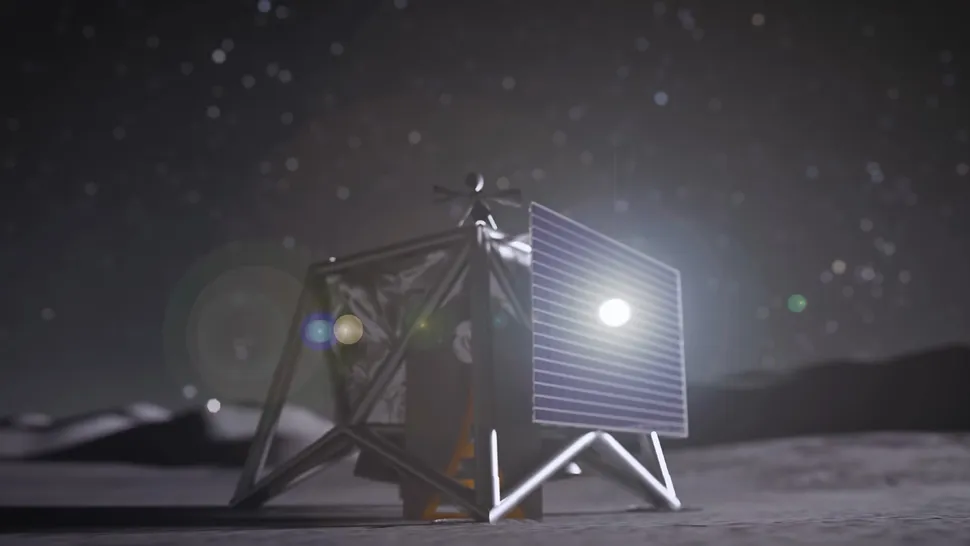
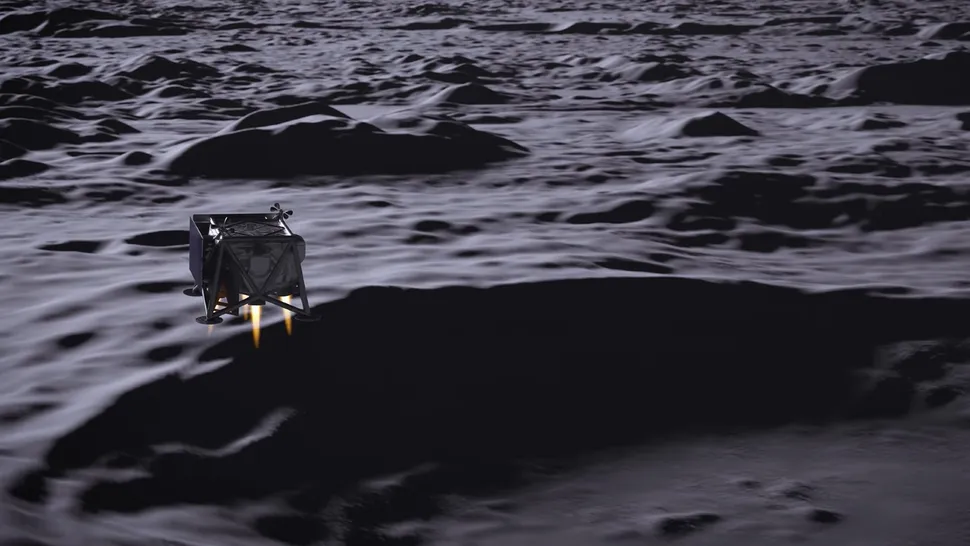
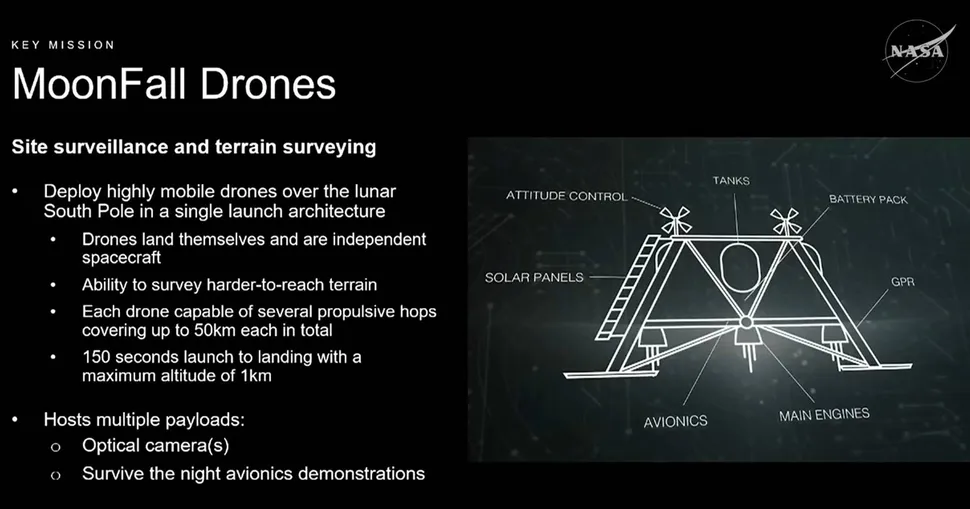
캘리포니아 파사디나에 위치한 NASA 제트 추진 연구소(JPL)의 레이 베크(Ray Beck)는 달 낙하 프로젝트를 총괄하고 있습니다. 그는 Space.com을 통해 문폴 계획이 달 남극의 미정 부지에 네 대의 카메라 및 각종 센서가 장착된 드론을 투하할 것이라고 설명했습니다.
- 목표 범위: 각 드론의 탐사 커버리지를 약 50km로 설정합니다.
- 완료 시점: 2028년 말까지 모든 탐사 임무를 완료하는 것을 목표로 합니다.
기술적 배경 및 상업 협력
이 드론들은 과거 화성 기지에서 사용된 Ingenuity(이니그뉴이티) 화성 헬리콥터의 핵심 기술과 도전 정신을 계승했습니다. 이니그뉴이티는 이미 Perseverance 로버와 함께 화성의 Jezero 분화구에서 총 72회의 비행 임무를 수행하며 현재까지도 운용되고 있습니다.
"우리는 선배들의 기술적 어깨 위에 서 있습니다," 베크는 말했습니다. "이니그뉴이티 프로젝트가 축적한 모든 경험, 기술 및 성공 성과에 상업 우주 산업의 지원 능력을 결합하여 반드시 이 임무를 완수할 것입니다."
- 장비 구성: 네 대의 드론 각각은 10세트의 카메라 장비와 과학 탐사 기기를 탑재하며, 총 40세트의 장비가 울퉁불퉁하고 바위가 많은 달 표면에 배치됩니다.
- 데이터 활용: 드론이 촬영한 이미지는 통합되어 전례 없는 달 전체 파노라마 지형도를 생성할 것이며, 이는 아르테미스 계획 우주 비행사의 미래 착륙지 선정 및 달 기지 장비 배치를 위한 최적의 참고 자료가 될 것입니다.
이 프로젝트가 이전과 다른 중요한 점은 신흥 상업 우주 산업의 힘을 빌린다는 것입니다. 베크는 "상업 우주 기업들은 막강한 기술력을 보유하고 있으며, 우리는 이 자원을 깊이 활용하고 통합하는 동시에 JPL 자체의 기술적 강점을 결합할 것"이라고 밝혔습니다.
이니그뉴이티 화성 헬리콥터가 상용 기성 전자 부품을 많이 사용했는데, 그중 상당수는 스마트폰 액세서리와 동일한 종류입니다. 또한 이니그뉴이티는 자체 지능 시스템을 내장하고 있어 화성 표면에서 점프 비행할 때 장애물을 스스로 탐지하고 회피할 수 있습니다.
베크가 소개한 문폴 프로젝트의 드론 원리도 이와 유사합니다. 드론은 예정된 착륙 구역 상공에 도달하면 주변 환경을 자율적으로 측량하여 가장 안전한 국부 지점을 선택해 안정적으로 하강하게 됩니다.
향후 계획 및 일정
현재 문폴 프로젝트는 속도를 내어 진행되고 있습니다. 베크는 "산업 파트너십 확정을 기대하며, 원활한 프로젝트 착근을 위해 노력할 것이며, 이는 매우 획기적인 여정이 될 것입니다. 올해 6월에 주요 파트너를 선정할 계획입니다"라고 전했습니다.
- 개발 진행 상황: 문폴 프로젝트의 시제품 장비 일부는 이미 준비되었으며, 나머지는 개발 및 제조 단계에 있습니다.
- 주요 마일스톤: 올해 안에 프로젝트 장비의 계류(tethering) 탑재 테스트와 항법 및 제어 센서 성능 검증 등 여러 연구 개발 이정표를 완료할 예정입니다.
- 통합 테스트: 우주선의 전체 통합 및 테스트는 2027년 말에 진행될 예정이며, 2028년에는 문폴 관련 장비가 발사 현장으로 운송됩니다.
베크는 "프로젝트 속도가 매우 빠르겠지만, 기한 내에 완료할 자신이 있다"고 강조했습니다.
현재까지 문폴 프로젝트의 구체적인 비용은 공개되지 않았습니다. 베크는 "NASA가 비용 및 예산 세부 사항을 확정하는 중이라 현재 외부 공개는 어렵다. 하지만 우리는 JPL의 기술력과 상업 우주 기업과의 협력을 통해 계획대로 임무를 완수할 능력이 있다고 믿는다"고 답했습니다.
베크는 탐사체가 달에 착륙하는 과정에서 드론을 투하하는 것이 유리한 점이 크다고 지적했습니다. 이는 완전 동력 착륙 장비를 제작하는 추가 비용을 절감하고 관련 비행 위험을 회피할 수 있게 합니다.
그는 덧붙여 "또한 이번 임무는 산업 기업의 기술 능력을 활용하여 궤도 이동, 감속 제동 단계, 그리고 드론 기계 구조 및 추진 시스템 개발 제조까지 수행하게 됩니다. 이 때문에 본 프로젝트는 NASA 국장이 제시한 '단일 임무 비용 절감'과 '심우주 탐사 빈도 증가'라는 발전 목표에 완벽하게 부합합니다."
총평
NASA의 문폴(MoonFall) 프로젝트는 아르테미스 계획을 재정비하고 달 귀환 및 기지 건설이라는 장기 목표를 달성하기 위한 혁신적인 접근 방식을 보여줍니다. JPL은 이니그뉴이티와 같은 선행 기술을 활용하는 동시에, 상업 우주 기업과의 협력을 통해 비용 효율성과 기술적 완성도를 높이는 데 중점을 두고 있습니다. 2028년까지의 명확한 로드맵과 단계별 목표 설정은 NASA가 달 탐사 분야에서 실질적인 돌파구를 마련하고 있음을 시사합니다.
阿耳忒弥斯计划改革
NASA 局长贾里德・艾萨克曼呼吁对 阿耳忒弥斯(Artemis)计划进行大规模全面改革。核心举措包括启动一系列快速机器人探测任务,通过实地勘查与科学实验,为 2028 年宇航员重返月球及建立月球基地提供前期准备。
“月球陨落”项目详情
作为改革的核心内容,NASA 推出了名为“月球陨落(MoonFall)”的项目。该项目由 NASA JPL 的雷・贝克负责,旨在利用跳跃式无人机在月球南极进行勘测。
- 数量:部署 4 台搭载摄像头与各类传感器的无人机。
- 覆盖范围:每台无人机的探测覆盖范围约为 50 公里。
- 设备配置:每台无人机配备 10 套摄像及科学探测仪器,共计 40 套。
- 核心目的:通过拼接生成的全景地貌图,为阿耳忒弥斯计划的着陆选址和基地建设提供参考。
技术基础与商业合作
该项目在技术上沿用了“机智号”火星直升机的核心技术,并大量采用商用电子元器件及自主避障系统。此外,项目将深度整合商业航天企业的资源,利用其在轨道转移、减速制动以及机械结构研发方面的能力,旨在降低单次任务成本并增加深空探测频次。
项目进度规划
“月球陨落”项目目前正处于快速推进阶段:
- 2024 年 6 月:计划选定主要合作伙伴。
- 2024 年内:完成系留挂载测试、导航与控制传感器性能校验等研发里程碑。
- 2027 年夏末:开展航天器整体集成与测试。
- 2028 年:将相关设备运送至发射场地,并计划在 2028 年底前完成全部探测任务。
总结
NASA 正通过“月球陨落”项目利用跳跃式无人机技术加速阿耳忒弥斯计划的准备工作。该项目结合了成熟的火星直升机技术与商业航天资源,旨在降低成本的同时为 2028 年宇航员重返月球提供关键的地形数据支持。
NASAのアルテミス計画再編と「Moonfall」プロジェクト
先月、アメリカ航空宇宙局(NASA)のJarrod Isaacman局長は、アルテミスプログラムが直面している課題を直接取り上げ、大規模な全面改革を呼びかけました。彼が発表した主要な計画の一つは、一連の迅速なロボット探査ミッションを開始して現場調査と科学実験を行い、2028年の有人宇宙飛行士による月への帰還および月面活動再開に向けた準備を進めることです。
現地時間3月24日、NASAの「出発(启航)」テーマイベントにおいて、Isaacman局長はプロジェクト推進を妨げるあらゆる不要な障害物を取り除くと表明し、宇宙局が米国の研究人材と産業能力を最大限に活用して、月への帰還および月面基地建設という目標を実現することを強調しました。
Moonfallプロジェクトの概要
IT之家の報道によると、NASA局長がアルテミス計画を調整する核心の一つは、「Moonfall」というフレームワークの下でドローンを投入することです。NASAの「出発」イベント当日、このMoonfallプロジェクトの計画公募が正式に発表されました。このプロジェクトの内容と、なぜ今開始されるのかについて解説します。
カリフォルニア州パサディナにあるNASAジェット推進研究所(JPL)のRay Beck氏は、Moonfallプロジェクトを統括しています。彼はSpace.comを通じて、Moonfall計画が月南極の未定の場所に、4台のカメラおよび各種センサーを搭載したドローンを投下するものであると説明しました。
- 目標範囲: 各ドローンの探索範囲を約50kmに設定します。
- 完了時期: 2028年末までにすべての探査ミッションを完了することを目指します。
技術的背景と商用協力
これらのドローンは、過去の火星基地で使用されたIngenuity(イニグニュイティ)火星ヘリコプターの核心技術と挑戦精神を受け継いでいます。IngenuityはすでにPerseveranceローバーと共に、火星のジェゼロ・クレーターで計72回の飛行ミッションを遂行しており、現在も運用されています。
「私たちは先人の技術的な肩の上に立っています」とBeck氏は述べています。「Ingenuityプロジェクトで蓄積されたすべての経験、技術、そして成功の成果に、商用宇宙産業の支援能力を組み合わせることで、このミッションを必ず遂行します。」
- 装備構成: 4台のドローンそれぞれに10セットのカメラ機器と科学探査機器を搭載し、計40セットの機器が起伏の激しく岩の多い月面に配置されます。
- データの活用: ドローンが撮影した画像は統合され、前例のない月全体のパノラマ地形図を作成します。これはアルテミス計画の宇宙飛行士による将来の着陸地点選定や、月基地設備の配置のための最適な参照資料となります。
このプロジェクトが従来と異なる重要な点は、新興の商用宇宙産業の力を借りることです。Beck氏は「商用宇宙企業は強力な技術力を保有しており、我々はそのリソースを深く活用・統合すると同時に、JPL独自の技術的強みを融合させる」と述べています。
Ingenuity火星ヘリコプターは多くの商用既成電子部品を使用しており、その多くはスマートフォンアクセサリーと同じ種類です。また、Ingenuityは独自の知能システムを内蔵しており、火星表面で跳躍飛行する際に障害物を自ら検出し回避することができます。
Beck氏が紹介したMoonfallプロジェクトのドローンの原理もこれと同様です。ドローンは予定された着陸区域の上空に到達すると、周囲の環境を自律的に計測し、最も安全な地点を選択して安定して降下します。
今後の計画とスケジュール
現在、Moonfallプロジェクトは加速して進められています。Beck氏は「産業パートナーシップの確定を期待しており、円滑なプロジェクト着手に向けて取り組んでいます。これは非常に画期的な旅となるでしょう。今年6月には主要なパートナーを選定する計画です」と語りました。
- 開発状況: Moonfallプロジェクトの試作機の一部はすでに準備が整っており、残りは開発および製造段階にあります。
- 主要マイルストーン: 今年中にプロジェクト機器の係領(tethering)搭載テストや、航法および制御センサーの性能検証など、複数の研究開発の節目を完了する予定です。
- 統合テスト: 宇宙船全体の統合とテストは2027年末に行われ、2028年にはMoonfall関連機器が打ち上げ現場へ輸送されます。
Beck氏は「プロジェクトのスピードは非常に速いものとなりますが、期限内に完了させる自信があります」と強調しました。
現在まで、Moonfallプロジェクトの具体的な費用は公開されていません。Beck氏は「NASAがコストおよび予算の詳細を確定している最中のため、現時点での外部公開は困難です。しかし、JPLの技術力と商用宇宙企業との協力により、計画通りにミッションを遂行する能力があると信じています」と回答しました。
Beck氏は、探査体が月に着陸する過程でドローンを投下することの利点が大きいと指摘しています。これにより、完全な動力着陸装置を製造するための追加費用を削減し、関連する飛行リスクを回避できます。
彼はさらに、「このミッションは産業企業の技術能力を活用することで、軌道移動、減速制動段階、そしてドローン構造および推進システムの開発・製造までを遂行することになります。そのため、本プロジェクトはNASA局長が提示した『単一ミッションのコスト削減』と『深宇宙探査頻度の増加』という発展目標に完全に合致しています」と付け加えました。
まとめ
NASAのMoonfallプロジェクトは、アルテミス計画を再構築し、月への帰還と基地建設という長期目標を達成するための革新的なアプローチを示しています。JPLはIngenuityのような先行技術を活用しながら、商用宇宙企業との連携を通じてコスト効率と技術的完成度の向上を目指しています。2028年に向けた明確なロードマップにより、NASAは月探査において実質的な突破口を切り開こうとしています。
NASA's Artemis Program Overhaul and the 'MoonFall' Project
Last month, NASA Administrator Jarrod Isaacman called for a comprehensive overhaul of the Artemis program to address current challenges in returning to the Moon. One of the primary initiatives he announced is the launch of a series of rapid robotic exploration missions to conduct site surveys and scientific experiments as preparation for the return of human astronauts and the resumption of lunar surface activities by 2028.
During the "Departure" (启航) event on March 24, Administrator Isaacman stated his commitment to removing all unnecessary obstacles hindering project progress. He emphasized that NASA will leverage American research personnel and industrial capabilities to realize the goals of returning to the Moon and constructing a lunar base.
Overview of the 'MoonFall' Project
According to IT之家, a core component of the Artemis plan adjustment is the deployment of drones under the "MoonFall" framework. This project was officially announced during the "Departure" event. What exactly is this project, and why is it starting now?
Ray Beck at NASA Jet Propulsion Laboratory (JPL) in Pasadena, California, oversees the MoonFall project. He explained via Space.com that the plan involves deploying four drones equipped with cameras and various sensors to an undetermined site on the lunar south pole.
- Target Scope: The exploration coverage for each drone is set at approximately 50km.
- Completion Timeline: The goal is to complete all exploration missions by the end of 2028.
Technical Background and Commercial Collaboration
These drones inherit core technologies and the spirit of challenge from the Ingenuity Mars helicopter, which performed a total of 72 flight missions in the Jezero Crater alongside the Perseverance rover and remains operational to this day.
"We are standing on the shoulders of our predecessors," said Beck. He noted that by combining the experience, technology, and success of the Ingenuity project with the support capabilities of the commercial space industry, they will successfully complete this mission.
- Equipment Configuration: Each of the four drones will carry 10 sets of camera equipment and scientific instruments, totaling 40 pieces of equipment to be deployed on the rugged and rocky lunar surface.
- Data Utilization: Images captured by the drones will be integrated to create an unprecedented panoramic map of the Moon's terrain. This will serve as a vital reference for selecting future landing sites and determining the placement of equipment for Artemis astronauts.
A key distinction of this project is its reliance on the power of the emerging commercial space industry. Beck stated, "Commercial space companies possess immense technical capabilities, and we will deeply utilize and integrate these resources while combining them with JPL's own technical strengths."
Similar to how the Ingenuity Mars helicopter utilized many off-the-shelf electronic components—some of which are identical to smartphone accessories—and featured an internal intelligence system to detect and avoid obstacles during hop flights, the MoonFall drones will follow a similar principle. Upon reaching the designated landing zone, the drones will autonomously survey the surrounding environment to select the safest local point for a stable descent.
Future Plans and Timeline
The MoonFall project is currently moving forward at a rapid pace. Beck stated, "We are looking forward to confirming industrial partnerships and working toward a smooth project launch; this will be a very groundbreaking journey. We plan to select major partners by June of this year."
- Development Progress: Some prototype equipment for the MoonFall project is already prepared, while the remainder is currently in the development and manufacturing stages.
- Key Milestones: Several R&D milestones, including tethering tests for project equipment and verification of navigation and control sensor performance, are scheduled to be completed within this year.
- Integration Testing: Full integration and testing of the spacecraft will take place in late 2027, with MoonFall-related equipment being transported to the launch site in 2028.
While specific costs for the MoonFall project have not been disclosed yet as NASA is finalizing budget details, Beck expressed confidence that they can complete the mission on schedule through JPL's technical expertise and collaboration with commercial space firms.
Beck pointed out that dropping drones during the landing process offers significant advantages. This method reduces the additional costs of manufacturing fully powered landing systems and avoids associated flight risks. He added, "Furthermore, this mission will utilize the technical capabilities of industrial companies to perform orbital maneuvers, deceleration stages, and the development/manufacturing of drone structures and propulsion systems. Therefore, this project aligns perfectly with the Administrator's goals of 'reducing cost per mission' and 'increasing the frequency of deep space exploration'."
Summary
The MoonFall project represents an innovative approach to the Artemis program by utilizing proven technology from the Ingenuity helicopter and leveraging commercial partnerships to enhance cost-efficiency. By deploying drones for autonomous surveying and high-resolution mapping, NASA aims to streamline the selection of landing sites and infrastructure placement. This structured roadmap provides a clear path toward establishing a sustainable human presence on the Moon by 2028.
阿耳忒弥斯计划改革与“月球陨落”项目
NASA 局长 Jared Isaacman 近期呼吁对 Artemis 项目进行大规模全面改革,旨在通过一系列快速机器人探测任务为 2028 年宇航员重返月球及开展地表活动做准备。其中核心举措是启动名为“MoonFall(月球陨落)”的项目,利用跳跃式无人机在月球南极进行实地勘查。
无人机技术规格与探测目标
该项目计划部署的无人机采用了与 Ingenuity 火星直升机相似的核心技术,包含大量商用电子元器件,并具备自主避障和导航能力。这些设备旨在通过提供高精度的地貌图,为未来的着陆选址和基地建设提供参考。
- 数量:计划部署 4 台搭载摄像头与各类传感器的无人机。
- 覆盖范围:每台无人机的探测覆盖范围约 50 公里。
- 设备配置:每台无人机配备 10 套摄像及科学探测仪器,共计 40 套设备。
项目推进计划与商业合作
MoonFall 项目强调深度整合并利用商用航天领域的资源,旨在降低单次任务成本并增加深空探测频次。目前该项目正处于快速推进阶段。
- 2024 年 6 月:预计选定主要合作伙伴。
- 2024 年内:完成多项研发里程碑,包括系留挂载测试及导航与控制传感器性能校验。
- 2027 年夏末:开展航天器整体集成与测试。
- 2028 年:将相关设备运送至发射场地。
总结
NASA 启动“MoonFall”项目,计划在 2028 年前利用基于商用技术的跳跃式无人机对月球南极进行大规模勘测。该举措旨在通过与商业航天合作降低成本,为 Artemis 项目提供关键的地理数据和基地选址支持。
NASAのアルテミス計画再編と「Moonfall」プロジェクト
先月、アメリカ航空宇宙局(NASA)のJarrod Isaacman局長は、アルテミスプログラムが直面している課題を直接取り上げ、大規模な全面改革を呼びかけました。彼が発表した主要な計画の一つは、一連の迅速なロボット探査ミッションを開始して現場調査と科学実験を行い、2028年の有人宇宙飛行士による月への帰還および月面活動再開に向けた準備を進めることです。
現地時間3月24日、NASAの「出発(启航)」イベントにおいて、Isaacman局長はプロジェクト推進を妨げるあらゆる不要な障害物を取り除くと表明し、宇宙局が米国の研究人材と産業能力を最大限に活用して、月への帰還および月面基地建設という目標を実現することを強調しました。
Moonfallプロジェクトの概要
IT之家の報道によると、NASA局長がアルテミス計画を調整する核心の一つは、「Moonfall」というフレームワークの下でドローンを投入することです。この「Moonfall」プロジェクトは、NASAジェット推進研究所(JPL)のRay Beck氏が統括しており、月南極の未定の場所に、カメラや各種センサーを搭載した4台のドローンを投下する計画です。
- 目標範囲: 各ドローンの探索範囲を約50kmに設定。
- 完了時期: 2028年末までにすべての探査ミッションを完了することを目指す。
技術的背景と商用協力
これらのドローンは、過去の火星基地で使用されたIngenuity(イニグニュイティ)火星ヘリコプターの核心技術と挑戦精神を受け継いでいます。IngenuityはすでにPerseveranceローバーと共に、火星のジェゼロ・クレーターで計72回の飛行ミッションを遂行しており、現在も運用されています。
Beck氏は、「Ingenuityプロジェクトで蓄積されたすべての経験、技術、そして成功の成果に、商用宇宙産業の支援能力を組み合わせることで、このミッションを必ず遂行する」と述べています。
- 装備構成: 4台のドローンそれぞれに10セットのカメラ機器と科学探査機器を搭載し、計40セットの機器が起伏の激しく岩の多い月面に配置されます。
- データの活用: ドローンが撮影した画像は統合され、前例のない月全体のパノラマ地形図を作成します。これはアルテミス計画の宇宙飛行士による将来の着陸地点選定や、月基地設備の配置のための最適な参照資料となります。
このプロジェクトの重要な特徴は、新興の商用宇宙産業の力を活用する点にあります。Beck氏は、商用宇宙企業が持つ強力な技術力を統合することで、JPL独自の強みと融合させると述べています。Ingenuityと同様に、これらのドローンも多くの商用既成電子部品(スマートフォンアクセサリーと同種のものなど)を使用し、自律的な知能システムを内蔵して障害物を検出し回避する能力を備えています。
また、ドローンは予定された着陸区域の上空に到達した際、周囲の環境を自律的に測量し、最も安全な地点を選択して安定的に降下します。このアプローチにより、完全動力による着陸装置の製造コストを削減し、飛行リスクを回避することが可能になります。
今後の計画とスケジュール
Moonfallプロジェクトは現在、急速に進展しています。Beck氏は、パートナーシップの確立に向けた重要なステップについて以下のように述べています。
- 開発状況: プロジェクトの試作品の一部はすでに準備が整っており、残りは開発および製造段階にあります。
- 主要なマイルストーン: 今年中に、系留(tethering)搭載テストやナビゲーション・制御センサーの性能検証などの研究開発目標を達成する予定です。
- 統合テストと展開: 2027年末に宇宙船全体の統合およびテストを行い、2028年には関連機器が発射現場へ運送されます。
Beck氏は、プロジェクトのスピードは非常に速いものの、期限内に完了する自信があることを強調しました。また、このアプローチはNASA局長が掲げる「単一ミッションのコスト削減」と「深宇宙探査頻度の増加」という目標に合致しています。
まとめ
NASAのMoonfallプロジェクトは、火星ヘリコプターIngenuityの技術と商用宇宙産業の力を融合させることで、アルテミス計画に向けた革新的なアプローチを採用しています。このプロジェクトにより、2028年までの月面活動に向けた詳細な地形データ収集とコスト効率の高い探査体制を構築することを目指しています。
NASA's Artemis Program Overhaul and the 'Moonfall' Project
Last month, NASA Director Jarrod Isaacman called for a comprehensive overhaul of the Artemis program to address current challenges. A key component of his plan is the initiation of a series of rapid robotic exploration missions to conduct field surveys and scientific experiments. These efforts are designed to prepare for the return of human astronauts to the Moon and the resumption of lunar surface activities in 2028.
During the "Departure" event on March 24, Director Isaacman stated his commitment to removing all unnecessary obstacles hindering project progress. He emphasized that NASA will maximize American research talent and industrial capabilities to realize the goals of returning to the Moon and constructing a lunar base.
Moonfall Project Overview
A core element of the Artemis plan adjustment is the deployment of drones under the "Moonfall" framework. This project was officially announced during the "Departure" event. Managed by Ray Beck at NASA's Jet Propulsion Laboratory (JPL), the Moonfall initiative involves deploying drones equipped with cameras and various sensors to undetermined locations on the lunar South Pole.
- Target Range: Each drone is assigned a survey coverage of approximately 50km.
- Completion Timeline: The goal is to complete all exploration missions by the end of 2028.
Technical Background and Commercial Collaboration
These drones inherit the core technology and spirit of the Ingenuity Mars helicopter, which successfully completed 72 flight missions in the Jezero Crater alongside the Perseverance rover. By combining the experience and technical successes of the Ingenuity project with the support capabilities of the commercial space industry, NASA aims to ensure mission success.
- Equipment Configuration: Each of the four drones will be equipped with 10 sets of camera equipment and scientific instruments, totaling 40 units distributed across the rugged, rocky lunar surface.
- Data Utilization: The images captured by the drones will be integrated to create an unprecedented panoramic map of the Moon's terrain. This will serve as a vital reference for selecting landing sites and planning the layout of equipment for future Artemis missions.
A significant distinction of this project is its heavy reliance on the emerging commercial space industry. Beck noted that commercial firms possess powerful technical capabilities, and NASA intends to deeply integrate these resources with JPL's own technical strengths. This approach aligns with Director Isaacman’s goals of reducing "single mission costs" and increasing the frequency of deep-space exploration.
Similar to the Ingenuity Mars helicopter, which utilized many off-the-shelf electronic components—some identical to those found in smartphone accessories—these drones will feature autonomous systems. These systems allow the drones to detect and avoid obstacles independently while navigating toward their designated landing zones.
Future Plans and Timeline
The Moonfall project is currently moving at a rapid pace. Beck expressed confidence in meeting the deadlines despite the ambitious schedule.
- Development Progress: Some prototype equipment for the Moonfall project has already been prepared, while the remainder is in the development and manufacturing stages.
- Key Milestones: Several R&D milestones, including tethering tests and the validation of navigation and control sensor performance, are scheduled to be completed within this year.
- Integration Testing: Full spacecraft integration and testing are scheduled for late 2027, with Moonfall-related equipment being transported to launch sites in 2028.
While specific costs have not been disclosed due to ongoing budget finalization by NASA, Beck emphasized that the project's design—specifically dropping drones from a lander rather than using fully powered landing vehicles—significantly reduces costs and avoids certain flight risks.
Summary
The Moonfall project utilizes drone technology inspired by the Ingenuity Mars helicopter to gather critical lunar data for the Artemis program. By leveraging commercial partnerships and autonomous navigation systems, NASA aims to create detailed terrain maps while reducing costs in preparation for human missions in 2028.