농업 경제 및 기술 혁신 정책 발표
IT之家에 따르면, 중국 국무원 신문판공실은 4월 23일 기자회견을 열고 '2026년 1분기 농촌 경제 운영 상황'에 대해 발표했습니다.
과거 성과: 제14차 5개년 계획 기간의 발전
발표된 내용에 따르면, 중국은 '제14차 5개년 계획(十四五)' 기간 동안 농업 기술 혁신 전반에서 큰 발전을 이루었습니다.
- 농업 기술 진보 기여율이 64%를 초과했습니다.
- 작물 우량 종자 보급률은 96%를 넘었습니다.
- 작물 재배 종합 기계화율은 76.7%에 달하여, 주요 식량 작물의 경우 전 과정에 걸친 기계화를 기본적으로 실현했습니다.
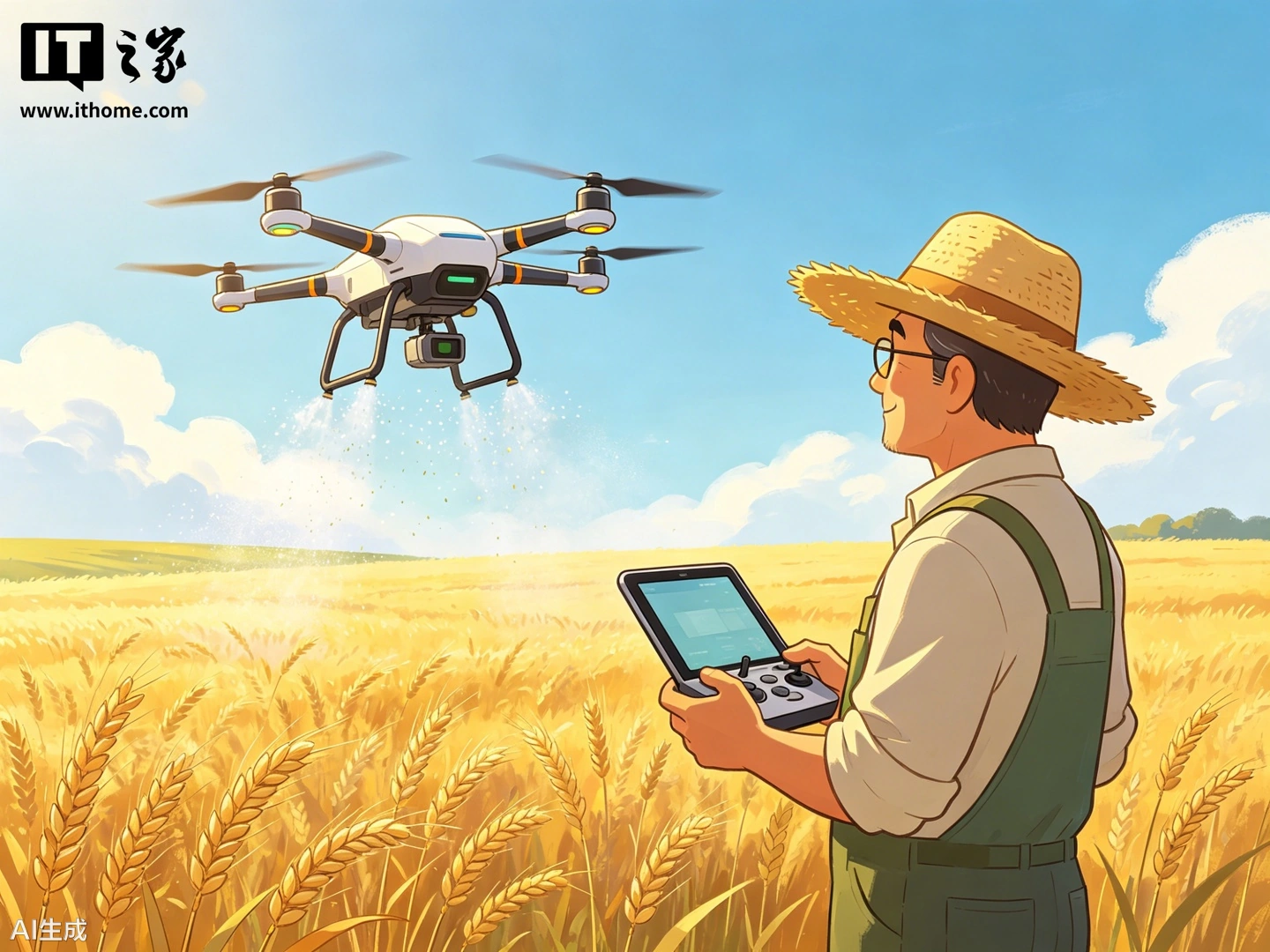
- 농업의 지능화 및 디지털 전환이 가속화되면서 다양한 스마트 장비가 농업 생산 현장에서 큰 역할을 수행하고 있습니다.
- 국내 농업용 드론 보유 대수는 30만 대를 넘어섰으며, 이는 세계 최고 수준입니다.
미래 방향: 제15차 5개년 계획의 목표
IT之家는 기자회견 생중계 내용을 통해 '제15차 5개년 계획(十五五)' 기간 동안 농업농촌부(农业农村部)가 '네 가지 측면'에 중점을 두고 기술 혁신과 산업 혁신의 깊은 융합을 추진할 것이라고 밝혔습니다. 또한, 새로운 국가 시스템의 이점을 최대한 활용하여 농업 기술 혁신 체계 전체의 역량을 지속적으로 높이고, 고수준의 농업 기술 자립 및 강화를 가속화하는 데 주력할 계획입니다.
주요 추진 전략
농업 기술 발전을 위해 세 가지 핵심 전략을 제시했습니다.
- 핵심 기술 공략 강화: 조직적이고 체계적인 연구를 통해 식량 안보와 같은 국가 전략적 수요에 초점을 맞출 것입니다. 대학, 연구기관, 기업 등 모든 혁신 주체를 결집하여 전 과정에서 힘을 모아 원천 혁신과 핵심 기술 난제 해결에 박차를 가하고, 장점을 강화하고 단점을 보완하며 상징적인 주요 성과들을 더 많이 창출할 계획입니다.
- 혁신 역량 배치 통합 및 강화: 전략적 과학기술 역량의 주도적인 역할을 강화하고, 농업 연구기관의 역할과 배치를 최적화할 것입니다. 또한, 농업 관련 대학 및 국가 실험실 건설을 적극 지원하며, 농업 기술 기업 육성 사업을 견고하게 추진하여 과학기술 선도 기업을 키우고, 기업 주도의 산학연 심층 융합을 촉진할 방침입니다.
- 건전한 혁신 생태계 조성 노력: 연구 인력에 대한 평가 및 인센티브 제도를 개선하고, 과학자 정신을 적극적으로 고취하여 연구원들이 안심하고 연구에 몰두할 수 있는 환경을 만들 것입니다. 아울러 농업 연구의 신뢰성 구축과 과학기술 감독을 강화하며 국제 협력을 지속적으로 심화시킬 예정입니다.
총평
이번 발표는 중국 농업 분야가 과거 성과에 안주하지 않고, 미래 식량 안보와 자립 강화를 목표로 하는 체계적인 로드맵을 제시했음을 보여줍니다. 특히 기술 혁신 역량을 국가 전략적 수요에 맞춰 재편하고, 산학연 협력 강화 및 우수 연구 인력 양성에 집중하겠다는 의지가 돋보입니다. 이는 농업 분야의 디지털 전환과 첨단화가 단순한 트렌드를 넘어 국가 핵심 발전 동력으로 자리매김했음을 시사합니다.
“十四五”期间农业科技成就
在“十四五”时期,我国农业科技创新效能显著提升,推动了生产领域的智能化与数字化转型。
- 农业科技进步贡献率:超过 64%
- 农作物良种覆盖率:超过 96%
- 农作物耕种收综合机械化率:达到 76.7%
- 主要粮食作物基本实现全程机械化
- 农用无人机保有量:超过 30 万架(数量居全球首位)
“十五五”时期战略规划
在“十五五”期间,农业农村部将通过以下三个维度推动高水平的农业科技自立自强:
- 抓好关键核心技术攻关:围绕粮食安全等国家战略需求,组织科研机构、高校与企业全链条发力。
- 统筹强化创新力量布局:优化科研院所定位,支持涉农高校和国家实验室建设,培育科技领军企业。
- 努力营造良好创新生态:完善人才评价与激励机制,加强科研诚信监督,并深化国际合作。
总结
我国在“十四五”期间取得了显著的农业机械化与智能化成果,特别是在农用无人机领域位居全球首位。面向“十五五”,将通过核心技术攻关、布局优化和生态构建等手段,持续推动农业科技自立自强。
農業経済および技術革新政策の発表
IT之家の報道によると、中国国務院新聞出版室は4月23日に記者会見を行い、「2026年第1四半期の農村経済運営状況」を発表しました。
過去の成果:第14次5カ年計画期間における発展
発表内容によると、中国は「第14次5カ年計画(十四五)」期間において、農業技術革新の全般的な分野で大きな進歩を遂げました。
- 農業技術の進歩への寄与率が64%を超過。
- 作物の優良種子の普及率が96%を突破。
- 作物栽培の総合機械化率が76.7%に達し、主要な食糧作物において全工程にわたる機械化を基本的に実現。
- 農業の知能化およびデジタル変革(DX)が加速しており、多様なスマート機器が農業生産現場で重要な役割を果たしている。
- 国内の農業用ドローン保有台数は30万台を超え、世界最高水準に達している。
未来の方向性:第15次5カ年計画の目標
IT在家の記者会見生中継の内容によると、「第15次5カ年計画(十五五)」期間において、農業農村部は「4つの側面」に重点を置き、技術革新と産業革新の深い融合を推進する方針です。また、新たな国家システムの利点を最大限に活用することで、農業技術革新体系全体の能力を継続的に向上させ、高度な農業技術の自立および強化を加速させることに注力する計画です。
主要な推進戦略
農業技術の発展に向け、以下の3つの核心的な戦略が提示されました。
- 核心技術への攻勢強化: 組織的かつ体系的な研究を通じて、食糧安全保障などの国家戦略的な需要に焦点を当てます。大学、研究機関、企業などすべての革新主体を集約し、全過程で力を合わせることで、根本的な革新と核心技術の課題解決を加速させ、強みを強化し弱みを補完しながら象徴的な成果をより多く創出する計画です。
- 革新能力の配置統合と強化: 戦略的な科学技術能力の主導的な役割を強化し、農業研究機関の役割と配置を最適化します。また、農業関連の大学や国家実験室の建設を積極的に支援し、農業技術企業の育成事業を堅実に推進することで、科学技術をリードする企業を育成し、企業主導の産学連携の深化を促進する方針です。
- 健全な革新エコシステムの構築: 研究人材に対する評価およびインセンティブ制度を改善し、科学者精神を積極的に高揚させることで、研究者が安心して研究に没頭できる環境を構築します。あわせて、農業研究の信頼性の確立と科学技術の監督を強化し、国際協力を継続的に深化させる予定です。
総評
今回の発表は、中国の農業分野が過去の成果に安住することなく、将来の食糧安全保障と自立強化を目標とした体系的なロードマップを提示したことを示しています。特に技術革新能力を国家戦略的需要に合わせて再編し、産学連携の強化および優秀な研究人材の育成に集中する姿勢が顕著です。これは、農業分野におけるデジタル変革と高度化が単なるトレンドを超え、国家の核心的な発展動機として位置づけられたことを示唆しています。
まとめ
中国は第15次5カ年計画に向け、農業技術の革新と産業の融合を加速させるための具体的なロードマップを発表しました。食糧安全保障などの国家戦略に焦点を当てた核心技術の追求や、産学連携による研究環境の整備が今後の重点となります。ドローン活用やデジタル変革といった先端技術の導入を通じて、農業の自立と高度化を推進する強い意志が示されています。
Announcement of Agricultural Economy and Technological Innovation Policies
According to IT之家, the State Council Information Office held a press conference on April 23 to announce the "Q1 2026 Rural Economic Operation Status."
Past Achievements: Progress During the 14th Five-Year Plan
The announcement stated that China has achieved significant progress in overall agricultural technological innovation during the "14th Five-Year Plan" (十四五) period.
- The contribution rate of agricultural technology progress exceeded 64%.
- The distribution rate of high-quality seeds for crops exceeded 96%.
- The comprehensive mechanization rate of crop cultivation reached 76.7%, achieving basic full-process mechanization for major food crops.
- The acceleration of intelligence and digital transformation in agriculture has led to various smart devices playing a significant role in production fields.
- The number of domestically owned agricultural drones exceeded 300,000, reaching world-leading levels.
Future Direction: Goals for the 15th Five-Year Plan
Based on the live broadcast from IT之家, it was revealed that during the "15th Five-Year Plan" (十五五) period, the Ministry of Agriculture and Rural Affairs (农业农村部) will focus on "four aspects" to promote the deep integration of technological innovation and industrial innovation. Furthermore, the ministry plans to leverage the advantages of new national systems to continuously enhance the overall capacity of the agricultural technology innovation system and accelerate high-level agricultural technological self-reliance and strengthening.
Key Implementation Strategies
Three core strategies were presented for the advancement of agricultural technology:
- Strengthening Core Technology Targets: Through organized and systematic research, efforts will focus on national strategic demands such as food security. By uniting all innovation entities—including universities, research institutions, and enterprises—the initiative aims to accelerate the resolution of core technical challenges and original innovations while creating more landmark achievements.
- Integrating and Strengthening Innovation Capabilities: The proactive role of strategic scientific and technological capabilities will be strengthened, and the roles and distribution of agricultural research institutions will be optimized. Additionally, the ministry will actively support the construction of agriculture-related universities and state laboratories, firmly promote the development of agricultural technology enterprises to cultivate leading science and technology companies, and facilitate deep integration between industry, academia, and research.
- Creating a Healthy Innovation Ecosystem: Evaluation and incentive systems for research personnel will be improved, and the "scientist spirit" will be actively promoted to create an environment where researchers can focus on their work with confidence. Furthermore, the reliability of agricultural research and scientific oversight will be strengthened while international cooperation continues to deepen.
Summary
China has established a systematic roadmap for its agricultural sector, moving beyond past achievements to focus on food security and technological self-reliance during the 15th Five-Year Plan. The strategy emphasizes the integration of industrial and technical innovation, the cultivation of high-level research talent, and the establishment of a robust ecosystem for digital transformation. These initiatives position advanced technology as a core driver for national agricultural development.
“十四五”期间农业科技成就
在“十四五”时期,我国农业科技创新效能显著提升,推动了农业生产的智能化与数字化转型。相关核心数据如下:
- 农业科技进步贡献率:超过 64%
- 农作物良种覆盖率:超过 96%
- 农作物耕种收综合机械化率:达到 76.7%
- 主要粮食作物:基本实现全程机械化
- 农用无人机保有量:超过 30 万架(数量居全球首位)
“十五五”时期发展规划
“十五五”期间,农业农村部将通过推动科技创新与产业创新深度融合,并利用新型举国体制优势,提升农业科技自立自强水平。具体工作方向包括:
- 关键核心技术攻关: 围绕粮食安全等国家战略需求,组织高校、科研院所及企业开展全链条研发,推动原始创新和核心技术突破。
- 强化创新力量布局: 优化农业科研院所定位,支持涉农高校与国家实验室建设,并培育具有领军能力的农业科技企业。
- 营造良好创新生态: 完善人才评价与激励机制,弘扬科学家精神,加强科研诚信建设,并持续深化国际合作。
总结
我国在“十四五”期间取得了显著的农业科技进步,尤其在机械化和无人机领域处于领先地位。面向“十五五”,将通过强化核心技术攻关、优化创新布局及完善科研生态,进一步推动农业领域的科技自立自强。
農業経済および技術革新政策の発表
IT之家の報道によると、中国国務院新聞出版室は4月23日に記者会見を行い、「2026年第1四半期の農村経済運営状況」を発表しました。
過去の成果:第14次5カ年計画期間における発展
発表内容によると、中国は「第14次5カ年計画(十四五)」期間において、農業技術革新の全般的な分野で大きな進歩を遂げました。
- 農業技術の進歩への寄与率が64%を超過。
- 作物の優良種子の普及率が96%を突破。
- 作物栽培の総合機械化率が76.7%に達し、主要な食糧作物において全工程にわたる機械化を基本的に実現。
- 農業の知能化およびデジタル変革(DX)が加速しており、多様なスマート機器が農業生産現場で重要な役割を果たしている。
- 国内の農業用ドローン保有台数は30万台を超え、世界最高水準に達している。
未来の方向性:第15次5カ年計画の目標
IT在家の記者会見生中継の内容によると、「第15次5カ年計画(十五五)」期間において、農業農村部は「4つの側面」に重点を置き、技術革新と産業革新の深い融合を推進する方針です。また、新たな国家システムの利点を最大限に活用することで、農業技術革新体系全体の能力を継続的に向上させ、高度な農業技術の自立および強化を加速させることに注力する計画です。
主要な推進戦略
農業技術の発展に向け、以下の3つの核心的な戦略が提示されました。
- 核心技術への攻勢強化: 組織的かつ体系的な研究を通じて、食糧安全保障などの国家戦略的な需要に焦点を当てます。大学、研究機関、企業などすべての革新主体を集約し、全過程で力を合わせることで、根本的な革新と核心技術の課題解決を加速させ、強みを強化し弱みを補完しながら象徴的な成果をより多く創出する計画です。
- 革新能力の配置統合と強化: 戦略的な科学技術能力の主導的な役割を強化し、農業研究機関の役割と配置を最適化します。また、農業関連の大学や国家実験室の建設を積極的に支援し、農業技術企業の育成事業を堅実に推進することで、科学技術をリードする企業を育成し、企業主導の産学連携の深化を促進する方針です。
- 健全な革新エコシステムの構築: 研究人材に対する評価およびインセンティブ制度を改善し、科学者精神を積極的に高揚させることで、研究者が安心して研究に没頭できる環境を構築します。あわせて、農業研究の信頼性の確立と科学技術の監督を強化し、国際協力を継続的に深化させる予定です。
まとめ
中国は「第14次5カ年計画」において、ドローン活用やデジタル変革を通じて農業の高度化と機械化で大きな成果を上げました。次期「第15次5カ年計画」では、食糧安全保障に向けた核心技術の追求、産学連携による研究環境の整備、そして国際協力を深化させることで、農業技術の自立と高度な革新を推進する方針です。
Announcement of Agricultural Economy and Technological Innovation Policies
According to IT之家, the State Council Information Office held a press conference on April 23 to announce the "Q1 2026 Rural Economic Operation Status."
Past Achievements: Progress During the 14th Five-Year Plan
The announcement stated that China achieved significant progress in overall agricultural technological innovation during the "14th Five-Year Plan" (十四五) period.
- The contribution rate of agricultural technology progress exceeded 64%.
- The distribution rate of high-quality seeds for crops exceeded 96%.
- The comprehensive mechanization rate of crop cultivation reached 76.7%, achieving basic full-process mechanization for major food crops.
- Accelerated intelligence and digital transformation have led to various smart devices playing a significant role in production fields.
- The number of domestically owned agricultural drones exceeded 300,000, reaching world-leading levels.
Future Direction: Goals for the 15th Five-Year Plan
Based on live broadcast content from IT之家, it was revealed that during the "15th Five-Year Plan" (十五五) period, the Ministry of Agriculture and Rural Affairs (农业农村部) will focus on "four aspects" to promote the deep integration of technological innovation and industrial innovation. Furthermore, the ministry plans to leverage the advantages of new national systems to continuously enhance the overall capacity of the agricultural technology innovation system and accelerate high-level agricultural technological self-reliance and strengthening.
Key Implementation Strategies
Three core strategies were presented for the advancement of agricultural technology:
- Strengthening Core Technology Targets: Through organized and systematic research, efforts will focus on national strategic demands such as food security. By uniting all innovation entities—including universities, research institutions, and enterprises—the goal is to accelerate the resolution of core technical challenges and create more significant milestones.
- Integrating and Strengthening Innovation Capacity: The ministry aims to optimize the role and placement of agricultural research institutions, support the construction of agriculture-related universities and national laboratories, and foster leading technology companies to promote deep integration between industry, education, and research.
- Creating a Healthy Innovation Ecosystem: This involves improving evaluation and incentive systems for research personnel, promoting "scientist spirit," strengthening oversight on research integrity, and deepening international cooperation.
Summary
China has achieved significant milestones in agricultural mechanization and digitalization during the 14th Five-Year Plan, notably leading the world in agricultural drone usage. Moving into the 15th Five-Year Plan, the government aims to bolster food security and self-reliance through core technology breakthroughs, optimized research infrastructure, and a robust innovation ecosystem.