NFC 결제 취약점 공개: 잠금 상태의 iPhone 결제 위험성
YouTube 채널 Veritasium이 4월 16일, iPhone의 NFC 결제 시나리오에 대한 취약점을 공개했습니다. 이 취약점은 iPhone 자체의 문제가 아니라 결제 시스템의 보안 허점을 이용한 것입니다. 공격자는 휴대폰이 잠겨 있는 상태에서도 연결된 Visa 카드를 이용해 자금을 도난당할 수 있습니다.
이 취약점은 2021년 사리 대학교와 버밍엄 대학교의 보안 팀에 의해 처음 공개되었습니다. 핵심은 공격자가 NFC 리더기를 이용해 iPhone과 결제 단말기 간의 통신을 가로채는 것입니다.
취약점 작동 원리 및 전제 조건
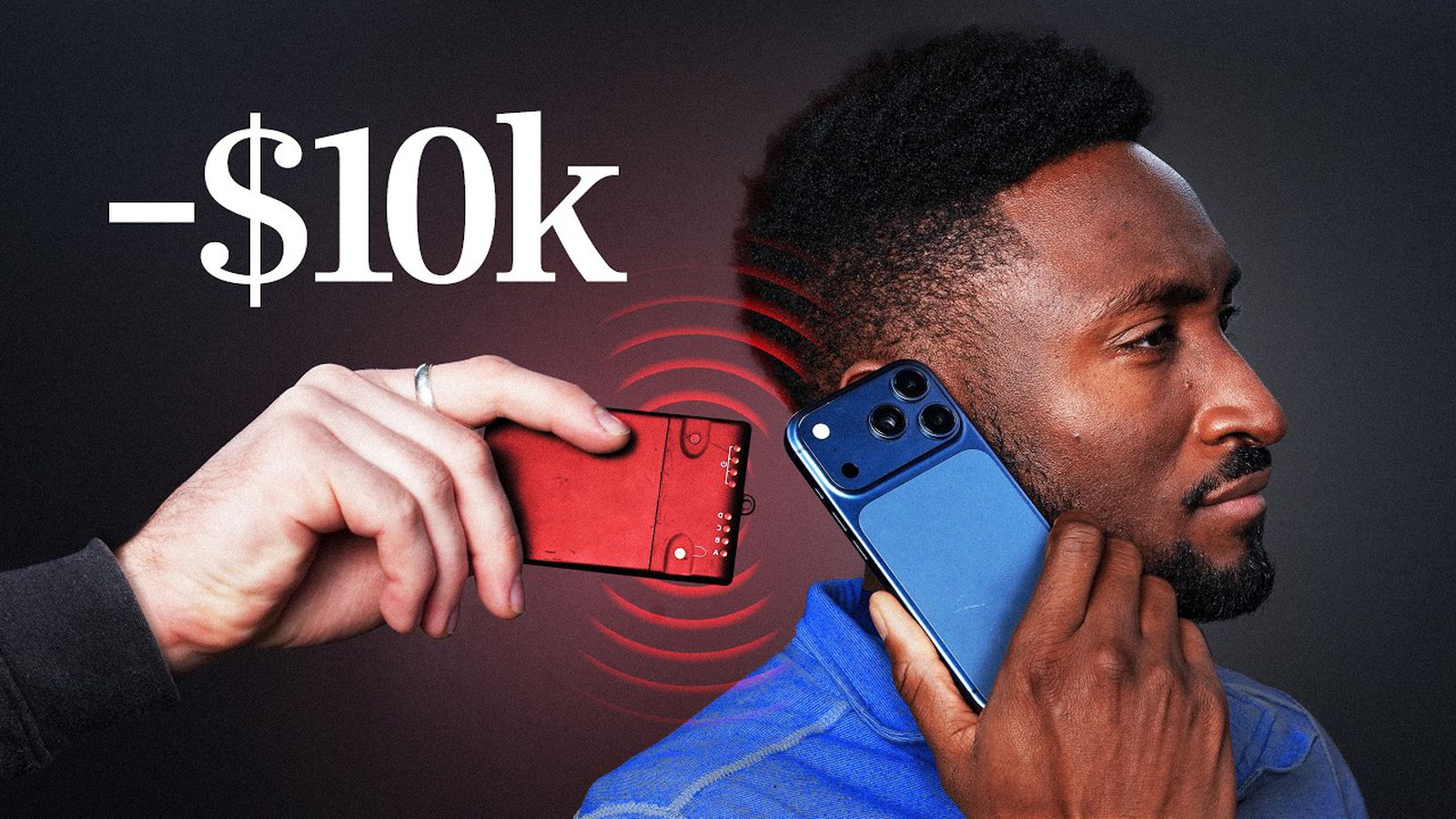
공격 과정은 다음과 같습니다. 리더기를 노트북에 연결하여 결제 데이터를 수집하고, 이를 임시 휴대폰(Burner phone)으로 전송한 뒤, 최종적으로 정상적인 리더기에서 도난 결제를 완료합니다. 다만, 이 전체 과정은 NFC 장치를 합법적인 교통 리더기와 동일한 식별자로 조정해야 하므로 기술적 진입 장벽이 높습니다.
이 공격이 성공하기 위해서는 몇 가지 까다로운 전제 조건이 필요합니다.
- 피해자가 iPhone에서 "Express Transit Mode"를 활성화해야 합니다.
- 결제 수단으로 Visa 카드를 등록해야 합니다.
이 "Express Transit Mode"는 사용자가 휴대폰 잠금 해제 없이 지하철 개찰구나 버스에서 빠르게 카드를 태그할 수 있도록 설계된 기능입니다. 하지만 보안 연구원들은 이 편리한 기능을 가로채 교통 단말기 신호를 위조하여 기존 거래 금액 제한을 우회할 수 있음을 발견했습니다.
시스템적 취약점과 안전한 결제 시스템
주목할 점은 이 취약점이 iPhone 자체의 문제가 아니라 Visa 시스템의 보안 허점이라는 것입니다. Mastercard와 American Express 카드는 다른 보안 검증 메커니즘을 사용하기 때문에 이 취약점의 영향을 받지 않습니다.
Samsung Pay 역시 독립적인 보안 아키텍처를 채택하고 있어 동일한 수법으로 공격하는 것이 불가능합니다. 즉, 오직 "iPhone + Visa 카드 + Express Transit Mode"라는 특정 조합에서만 위험이 노출됩니다.
이에 대해 Visa는 현실 환경에서 이러한 사기가 발생할 가능성이 매우 낮으며, 카드 소지자가 무과실 보호 정책의 보호를 받기 때문에 의심스러운 거래는 이의 제기를 통해 취소할 수 있다고 답변했습니다.
Apple은 Veritasium 측에 이 문제가 Visa 시스템의 문제이며 실제 시나리오에서는 거의 불가능하다고 밝혔습니다. 두 회사 모두 공격을 위해서는 피해자의 iPhone에 대한 물리적 접촉이 필요하며, 전문 하드웨어 장비가 요구되어 대규모 실행이 매우 어렵다고 강조했습니다.
실제 공격 시연 및 결론
연구팀은 이 취약점의 실제 피해 가능성을 보여주기 위해 Veritasium 영상에서 기술 블로거 Marques Brownlee의 잠긴 iPhone에서 10,000달러를 도난당하는 데 성공했습니다. 이 실험은 공격 조건이 복잡함에도 불구하고 기술적으로는 실행 가능하다는 것을 입증했습니다.
총평
이번 취약점은 NFC 결제 시스템의 특정 결제 방식(Visa)과 특정 사용 모드(Express Transit Mode)가 결합될 때 발생하는 시스템적 보안 허점을 보여줍니다. 비록 공격 성공 조건이 복잡하고 물리적 접근이 필요하지만, 이는 결제 네트워크 자체의 취약점을 지적하는 중요한 사례입니다. 따라서 사용자는 결제 시스템의 보안 업데이트와 더불어, 카드사 및 기기 제조사 차원의 다층적인 보안 강화가 필요합니다.
漏洞概述与原理
YouTube 频道 Veritasium 发布视频,披露了一个针对 iPhone 的 NFC 支付场景漏洞。该漏洞并非源于 iPhone 系统本身,而是 Visa 系统的安全缺口。攻击者利用 NFC 读卡器在手机处于锁定状态时拦截 iPhone 与支付终端的通信,通过笔记本电脑和临时手机(Burner phone)完成盗刷操作。
受影响的特定条件
该漏洞并非普遍存在于所有支付场景中,只有满足以下特定组合时才会暴露风险:
- 设备:iPhone
- 卡组织:Visa 卡
- 功能开启:必须启用“快捷交通模式”(Express Transit Mode)
由于采用不同安全验证机制,Mastercard 和美国运通(American Express)不受此影响。同时,Samsung Pay 采用独立架构,也不会受到此类攻击。
厂商回应与风险评估
Visa 表示该类欺诈在现实环境中发生的可能性极低,且持卡人受零责任政策保护。Apple 也表示这是 Visa 系统的问题。两家公司均强调,由于攻击需要物理接触受害者的 iPhone 并配备专业硬件设备,大规模实施难度极大。
实测演示
研究团队在 Veritasium 视频中通过实验证明了该漏洞的技术可行性:他们成功从科技博主 Marques Brownlee 的锁定 iPhone 上盗刷了 10,000 美元(约合 68,325 元人民币)。
总结
该漏洞是特定于“iPhone + Visa 卡 + 快捷交通模式”组合的 NFC 安全缺口,而非手机系统缺陷。虽然技术层面已被证实可行并成功演示,但由于攻击门槛高且需要物理接触设备,实际发生的概率较低。
NFC決済の脆弱性が公開:ロック状態のiPhoneにおける決済リスク
YouTubeチャンネル「Veritasium」は4月16日、iPhoneのNFC決済シナリオに関する脆弱性を公開しました。この脆弱性はiPhone自体の問題ではなく、決済システムのセキュリティ上の欠陥を利用したものです。攻撃者は、スマートフォンがロックされた状態でも、接続されているVisaカードを使用して資金を盗み出す可能性があります。
この脆弱性は2021年にザールラント大学とバーミンガム大学のセキュリティチームによって初めて公開されました。核心となるのは、攻撃者がNFCリーダーを使用してiPhoneと決済端末間の通信を傍受することです。
脆弱性の仕組みと前提条件
攻撃プロセスは以下の通りです。リーダーをノートPCに接続して決済データを収集し、それを使い捨ての携帯電話(Burner phone)に転送した後、最終的に正規のリーダーで盗難決済を実行します。ただし、この全工程においてNFCデバイスを合法的な交通機関用リーダーと同じ識別子として調整する必要があるため、技術的な参入障壁は高いです。
この攻撃が成功するためには、いくつかの厳しい前提条件が必要です。
- 被害者がiPhoneで「Express Transit Mode」を有効にしていること
- 決済手段としてVisaカードを登録していること
この「Express Transit Mode」は、ユーザーがスマートフォンをロック解除せずに地下鉄の改札やバスで素早くカードをかざせるように設計された機能です。しかし、セキュリティ研究者は、この便利な機能を悪用して交通端末の信号を偽造し、既存の取引金額制限を回避できることを発見しました。
システム的な脆弱性と安全な決済システム
注目すべき点は、この脆弱性がiPhone自体の問題ではなく、Visaシステムのセキュリティ上の欠陥であるということです。MastercardやAmerican Expressカードは異なるセキュリティ検証メカニズムを使用しているため、この脆弱性の影響を受けません。
Samsung Payも独立したセキュリティアーキテクチャを採用しているため、同様の手法で攻撃することは不可能です。つまり、「iPhone + Visaカード + Express Transit Mode」という特定の組み合わせにおいてのみ、リスクにさらされることになります。
これに対しVisaは、現実の環境でこのような詐欺が発生する可能性は非常に低く、カード所有者は無過失保護ポリシーによって保護されるため、疑わしい取引は異議申し立てを通じてキャンセルできると回答しました。
AppleもVeritasiumに対し、この問題はVisaシステムの課題であり、実際のシナリオではほぼ不可能であると明らかにしました。両社とも、攻撃には被害者のiPhoneへの物理的な接触が必要であり、専門的なハードウェア機器を必要とするため、大規模な実行は非常に困難であることを強調しました。
実際の攻撃デモンストレーションと結論
研究チームは、この脆弱性の実質的な被害の可能性を示すため、Veritasiumの動画内でテックブロガーのMarques BrownleeのロックされたiPhoneから10,000ドルを盗むことに成功しました。この実験は、攻撃条件が複雑であるにもかかわらず、技術的には実行可能であることを証明しました。
まとめ
今回の脆弱性は、特定の決済方法(Visa)と特定の使用モード(Express Transit Mode)の組み合わせによって生じるシステム的な欠陥です。高度な専門知識と物理的なアクセスが必要なため大規模な被害は難しいものの、決済ネットワーク自体のセキュリティ強化の重要性を示す事例となりました。
NFC Payment Vulnerability Exposed: Risk of Payments on Locked iPhones
The YouTube channel Veritasium revealed a vulnerability in the iPhone's NFC payment scenario on April 16. This vulnerability is not an issue with the iPhone itself, but rather exploits security loopholes within the payment system. Attackers can steal funds using a linked Visa card even while the phone remains locked.
This vulnerability was first disclosed in 2021 by security teams at Saarland University and the University of Birmingham. The core mechanism involves an attacker using an NFC reader to intercept communication between the iPhone and a payment terminal.
Mechanism and Prerequisites
The attack process is as follows: An attacker connects a reader to a laptop to collect payment data, transmits it to a burner phone, and finally completes the fraudulent transaction using a standard reader. However, this entire process requires technical expertise because the NFC device must be configured with identifiers identical to those used by legitimate transit readers.
Several specific conditions are required for this attack to succeed:
- The user must have "Express Transit Mode" enabled on their iPhone.
- A Visa card must be registered as the payment method.
Express Transit Mode is designed to allow users to quickly tag their phones at subway gates or on buses without unlocking the device. However, security researchers discovered that this convenient feature can be exploited by spoofing transit terminal signals to bypass existing transaction limits.
Systemic Vulnerabilities and Secure Payment Systems
Notably, this vulnerability is a flaw in the Visa system rather than an issue with the iPhone's hardware or software. Mastercard and American Express cards are not affected because they utilize different security verification mechanisms.
Samsung Pay also utilizes an independent security architecture, making it impossible to attack using the same method. Consequently, the risk is only exposed in a specific combination: "iPhone + Visa Card + Express Transit Mode."
In response, Visa stated that the likelihood of such fraud occurring in real-world environments is very low. They noted that since cardholders are protected by zero-liability policies, any suspicious transactions can be disputed and canceled.
Apple informed Veritasium that the issue lies within the Visa system and is nearly impossible to execute in a practical scenario. Both companies emphasized that an attack requires physical contact with the victim's iPhone and specialized hardware equipment, making large-scale execution extremely difficult.
Demonstration and Conclusion
To demonstrate the potential for actual damage, the research team successfully "stole" $10,000 from tech blogger Marques Brownlee's locked iPhone in the Veritasium video. This experiment proved that while the conditions are complex, the attack is technically feasible.
Summary
The identified vulnerability stems from a specific combination of Visa's payment infrastructure and "Express Transit Mode" on iPhones rather than an inherent flaw in Apple's hardware. While the technical requirements for an attack are high—requiring physical access and specialized equipment—it highlights the need for multi-layered security across both device manufacturers and payment networks.
漏洞概述
YouTube 频道 Veritasium 发布视频,披露了一个针对 iPhone 在特定 NFC 支付场景下的安全漏洞。该漏洞并非源于 iPhone 系统本身,而是由于 Visa 卡在“快捷交通模式”下存在的安全机制缺陷导致的。
攻击原理与条件
攻击者利用 NFC 读卡器拦截 iPhone 与支付终端之间的通信,并将其传输至另一部临时手机(Burner phone)以绕过交易限制。该漏洞的触发需要满足以下特定条件:
- 用户在 iPhone 上启用了“快捷交通模式”(Express Transit Mode)。
- 用户绑定了 Visa 卡作为支付方式。
- 攻击者需具备专业硬件并将其调校至与合法交通读卡器相同的标识符。
受影响范围
该漏洞具有高度的特定性,并非所有支付品牌或系统都受到影响:
- 受影响组合:仅限“iPhone + Visa 卡 + 快捷交通模式”。
- 不受影响系统:Mastercard、美国运通(American Express)以及 Samsung Pay 因采用不同的安全验证机制或独立架构,不会受到此漏洞影响。
风险评估与演示
Visa 和 Apple 均表示该攻击在现实环境中发生的可能性极低,因为其需要物理接触受害者的设备并配备专业硬件工具。尽管如此,研究团队仍通过技术手段成功从博主 Marques Brownlee 的锁定 iPhone 上模拟盗刷了 10,000 美元(约合 68,325 元人民币),证明了该漏洞在理论和技术层面上的可行性。
总结
此漏洞是 Visa 系统在特定“快捷交通模式”下的安全缺口,仅影响绑定 Visa 卡的 iPhone 用户。虽然攻击过程复杂且需要物理接触与专业设备,但实验证明了其在特定条件下可以绕过交易限制。目前相关公司认为此类大规模攻击发生的可能性较低。
NFC決済の脆弱性が公開:ロック状態のiPhoneにおける決済リスク
YouTubeチャンネル「Veritasium」は4月16日、iPhoneのNFC決済シナリオに関する脆弱性を公開しました。この脆弱性はiPhone自体の問題ではなく、決済システム側のセキュリティ上の欠陥を利用したものです。攻撃者は、スマートフォンがロックされた状態であっても、接続されているVisaカードを使用して資金を盗み出す可能性があります。
この脆弱性は2011年にザールラント大学とバーミンガム大学のセキュリティチームによって初めて公開されました。核心となるのは、攻撃者がNFCリーダーを用いてiPhoneと決済端末間の通信を傍受することです。
脆弱性の仕組みと前提条件
攻撃プロセスは以下の通りです。まず、リーダーをノートPCに接続して決済データを収集し、それを使い捨ての携帯電話(Burner phone)に転送した後、最終的に正規のリーダーで盗難決済を実行します。ただし、この全工程においてNFCデバイスを合法的な交通機関用リーダーと同じ識別子として調整する必要があるため、技術的な参入障壁は高いとされています。
この攻撃が成功するためには、以下の特定の条件が必要です。
- 被害者がiPhoneで「Express Transit Mode」を有効にしていること
- 決済手段としてVisaカードを登録していること
「Express Transit Mode」は、ユーザーがスマートフォンをロック解除せずに地下鉄の改札やバスで素早くカードをかざせるように設計された機能です。しかし、セキュリティ研究者は、この利便性の高い機能を悪用して交通端末の信号を偽造し、既存の取引金額制限を回避できることを突き止めました。
システム的な脆弱性と安全な決済システム
注目すべき点は、この脆弱性がiPhone自体の問題ではなく、Visaシステムのセキュリティ上の欠陥であるということです。MastercardやAmerican Expressカードは異なるセキュリティ検証メカニズムを使用しているため、この脆弱性の影響を受けません。
Samsung Payも独立したセキュリティアーキテクチャを採用しているため、同様の手法で攻撃することは不可能です。つまり、リスクにさらされるのは「iPhone + Visaカード + Express Transit Mode」という特定の組み合わせのみです。
これに対しVisaは、実際の環境でこのような詐欺が発生する可能性は非常に低く、カード所有者は無過失保護ポリシーによって保護されるため、疑わしい取引は異議申し立てを通じてキャンセルできると回答しています。
AppleもVeritasiumに対し、この問題はVisaシステムの課題であり、実際のシナリオではほぼ不可能であると明かしました。両社とも、攻撃には被害者のiPhoneへの物理的な接触が必要であり、専門的なハードウェア機器を要するため、大規模な実行は非常に困難であることを強調しています。
実証実験と結論
研究チームはこの脆弱性の実質的な危険性を示すため、Veritasiumの動画内でテックブロガーのMarques BrownleeのロックされたiPhoneから10,000ドルを盗み出すことに成功しました。この実験により、攻撃条件が複雑であるにもかかわらず、技術的には実行可能であることが証明されました。
まとめ
今回の脆弱性は、特定の決済方法(Visa)と特定の使用モード(Express Transit Mode)の組み合わせによって生じるシステム的な欠陥です。高度な専門知識と物理的なアクセスが必要なため大規模な被害に繋がる可能性は低いものの、決済ネットワーク自体のセキュリティ強化の重要性を示す重要な事例となりました。
NFC Payment Vulnerability Exposed: Risk of Payments on Locked iPhones
The YouTube channel Veritasium revealed an NFC payment vulnerability regarding iPhone scenarios on April 16. This flaw is not an issue with the iPhone itself, but rather exploits a security loophole within the payment system. Attackers can steal funds from a linked Visa card even while the phone remains in a locked state.
This vulnerability was first disclosed in 2021 by security teams at Saarland University and the University of Birmingham. The core mechanism involves an attacker using an NFC reader to intercept communication between the iPhone and a payment terminal.
Mechanism and Prerequisites
The attack process is as follows: An attacker connects a reader to a laptop to collect payment data, transmits it to a burner phone, and finally completes the fraudulent transaction using a standard reader. However, this entire process requires high technical expertise because the NFC device must be configured with identifiers identical to those used by legitimate transit readers.
Several specific conditions are required for this attack to succeed:
- The user must have "Express Transit Mode" enabled on their iPhone.
- A Visa card must be registered as the payment method.
Express Transit Mode is designed to allow users to quickly tag their phones at subway gates or on buses without unlocking the device. However, security researchers discovered that this convenient feature can be exploited to forge transit terminal signals and bypass existing transaction limits.
Systemic Vulnerabilities and Secure Payment Systems
It is important to note that this vulnerability is a flaw in the Visa system rather than an issue with the iPhone hardware or software. Mastercard and American Express cards are not affected because they utilize different security verification mechanisms.
Samsung Pay also utilizes an independent security architecture, making it impossible to attack using the same method. Consequently, the risk is only exposed in the specific combination of "iPhone + Visa card + Express Transit Mode."
In response, Visa stated that the likelihood of such fraud occurring in a real-world environment is very low, and cardholders are protected by zero-liability policies, allowing suspicious transactions to be disputed. Apple also informed Veritasium that the issue lies within the Visa system and is nearly impossible to execute in practical scenarios.
Both companies emphasized that an attack requires physical contact with the victim's iPhone and specialized hardware equipment, making large-scale execution extremely difficult.
Proof of Concept and Conclusion
To demonstrate the potential for actual damage, the research team successfully stole $10,000 from tech blogger Marques Brownlee's locked iPhone in the Veritasium video. This experiment proved that while the conditions are complex, the attack is technically feasible.
This vulnerability highlights a systemic security gap when specific payment methods (Visa) and specific usage modes (Express Transit Mode) are combined. While the high barrier to entry and requirement for physical access limit large-scale impact, it serves as a significant case highlighting the need for multi-layered security enhancements from both card issuers and device manufacturers.
Summary
The vulnerability is a specific security gap in the Visa payment network when used with "Express Transit Mode" on an iPhone, rather than a flaw in Apple's operating system. While technically feasible—as demonstrated by a successful $10,000 theft from Marques Brownlee’s device—the requirement for physical access and specialized hardware makes large-scale exploitation unlikely.