Apple, 차세대 AI 스마트 안경 출시 임박
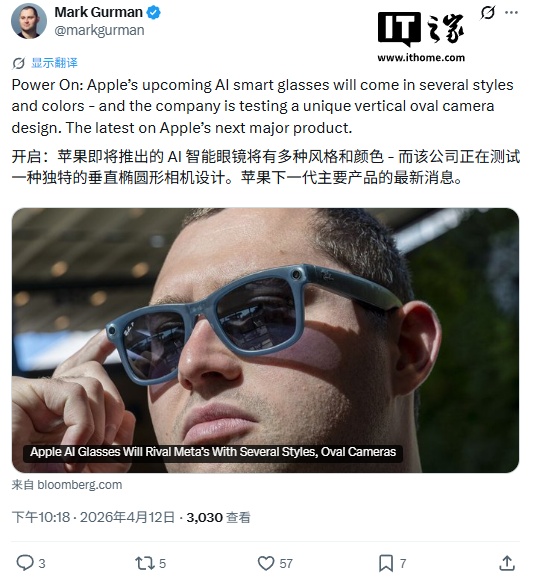
블룸버그 기자 마크 거먼(Mark Gurman)이 최신
현재 개발 중인 이 제품은 독특한 수직 타원형 카메라 디자인을 테스트하고 있는 것으로 전해졌습니다. 거먼은 이 코드명 N50 제품이 2026년 말이나 2027년 초에 공개되어, 정식 출시 시기는 2027년이 될 것으로 예측했습니다.
Apple의 웨어러블 기기 개발 역사
약 10년 전, Apple은 헤드셋 기기를 탐색하기 위해 Vision Products Group이라는 팀을 설립했습니다. 초기에는 세 가지 제품 라인을 구상했습니다.
- iPhone에 의존하는 AR 헤드셋 (무선 컨트롤러 포함)
- 고급 XR 헤드셋
- iPhone에 의존하지 않는 독립형 AR 안경
하지만 최종적으로 2024년에 Vision Pro라는 XR(혼합현실) 헤드셋만 출시되었고, iPhone 의존형 기기는 취소되었으며, 진정한 AR 안경은 아직 몇 년이 더 필요하다는 분석입니다.
Apple은 2022년경부터 시선을 돌려 디스플레이가 없는 단순한 스마트 안경에 주목하기 시작했습니다. Meta가 이미 이 시장의 수요가 있음을 증명했기 때문입니다.
기능 및 전략적 포지셔닝
Apple의 스마트 안경은 Meta의 레이밴(Ray-Ban) 안경과 유사하게 일상생활에서 사진 및 비디오 촬영, 스마트폰과의 동기화 편집 및 공유, 전화 통화, 알림 수신, 음악 재생 등을 지원합니다. 또한, 음성 비서(IT之家: 향후 업그레이드된 Siri)를 통해 명령을 수행할 수 있습니다.
거먼에 따르면, 이 안경은 Apple의 AI 웨어러블 삼각축 전략의 일부입니다. 나머지 두 축은 차세대 AirPods와 카메라가 장착된 목걸이형 기기입니다. 이 세 가지 기기는 모두 컴퓨터 비전 기술을 활용하여 사용자의 주변 환경을 해석하고, Siri와 Apple Intelligence에 더 완벽한 인지 능력을 제공함으로써, 더욱 발전된 지도 내비게이션이나 시각적 알림 등의 기능을 구현하는 것을 목표로 합니다.
Apple은 새로운 제품군에 진입할 때 경쟁사보다 확실히 우월한 강점을 제공하는 경향이 있으며, 이는 스마트 안경에서도 충분히 발휘될 것이라고 분석됩니다. 프로젝트에 참여한 직원들에 따르면, Apple의 전략은 안경을 iPhone과 깊이 통합하고 최고급 마감 디자인을 제공하여 경쟁사를 능가하는 것입니다.
Meta가 파트너 EssilorLuxottica에 크게 의존하는 것과 달리, Apple은 안경 디자인에 있어 완전한 자율성을 가지고 있습니다. 이는 Warby Parker에 의존하는 Google이나 Samsung과 차별화되는 지점입니다.
디자인 및 기술적 특징
Apple 디자인팀은 최소 네 가지의 다른 프레임 형태를 제작했으며, 이 중 일부 또는 전체 스타일을 출시할 계획이며 다양한 색상 옵션도 제공할 예정입니다.
테스트 중인 최신 샘플은 아세테이트 섬유라는 고급 소재를 채택했는데, 이는 많은 브랜드가 사용하는 플라스틱보다 내구성이 뛰어나고 질감이 우수합니다. 그 외 테스트 중인 디자인은 다음과 같습니다.
- 대형 직사각형 프레임 (레이밴 Wayfarer와 유사)
- 더 얇은 직사각형 디자인 (쿡이 착용하는 스타일과 유사)
- 크기가 큰 타원형 또는 원형 프레임
- 더 작고 섬세한 타원형 또는 원형 프레임
또한, 검은색, 오션 블루, 연한 갈색 등 다양한 색상 조합을 탐색하고 있습니다.
Apple은 AirPods나 Apple Watch와 마찬가지로 '극도의 식별성'을 가진 '상징적인 디자인'을 목표로 합니다. 즉, 한눈에 Apple 제품임을 알아볼 수 있게 만드는 것입니다.
외관 외에 주목할 만한 세부 사항은 카메라 시스템입니다. 이 시스템은 수직으로 배열된 타원형 렌즈를 채택하며, 주변에 표시등이 배치되어 있어 Meta 제품의 원형 카메라 디자인과는 차이가 있습니다.
총평마크 거먼은 Meta가 선점 효과를, Google이 광범위한 Android 생태계 우위를 가지고 있지만, Apple의 브랜드 파워, 자체 개발 칩, 거대한 리테일 네트워크, 그리고 iPhone과의 깊은 통합은 강력한 경쟁력을 갖추게 한다고 분석했습니다. 만약 정상 작동하는 Siri와 결합된다면, 이 AI 안경은 Apple Watch와 같은 성공 궤도를 재현할 잠재력을 지니고 있습니다. 다만, 이 제품이 가진 진정한 잠재력은 고품질 AR 기술, 경량화된 외형, 그리고 긴 배터리 수명이 결합될 때이며, 이 기술적 완성도에 도달하기까지는 시간이 걸릴 것으로 보입니다.
产品概况与发布计划
Apple 正在研发代号为 N50 的 AI 智能眼镜。该产品是 Apple AI 可穿戴设备“三叉戟”战略中的核心成员,另外两项关键产品包括新一代 AirPods 和一款配备摄像头的颈挂式设备。这些设备旨在利用计算机视觉技术增强 Siri 和 Apple Intelligence 的感知能力,提供更先进的地图导航和视觉提醒功能。
根据预测,该产品的开发工作将持续到 2026 年底或 2027 年初,并计划于 2027 年正式上市。
设计与硬件规格
Apple 致力于打造具有“极高辨识度”的标志性设计。目前该产品在材料、外观和组件上已有明确的研究方向:
- 材质:采用比普通塑料更耐用且质感更好的醋酸纤维(Acetate Fiber)。
- 框型选择:包括大型矩形镜框、纤细的矩形设计、较大的椭圆形或圆形镜框,以及更小巧精致的椭圆形或圆形镜框。
- 配色方案:提供包括黑色、海洋蓝和浅棕色等多种颜色。
- 摄像头系统:采用独特的竖向排列椭圆形镜头,并配有指示灯。
功能与竞争策略
该智能眼镜的功能定位类似于 Meta 的 Ray-Ban 系列,支持拍照、录像(同步至手机)、接听电话、接收通知、播放音乐以及通过语音助手进行交互。与依赖合作伙伴的 Google 和 Samsung 不同,Apple 在设计上完全自主,旨在通过高端做工和与 iPhone 的深度整合来建立竞争优势。尽管 Meta 拥有先发优势,但 Apple 凭借品牌影响力、自研芯片及庞大的零售网络,有望在市场中占据主导地位。
总结
Apple 计划于 2027 年推出代号为 N50 的 AI 智能眼镜,作为增强 Siri 和 Apple Intelligence 能力的核心可穿戴设备。该产品将采用高端材料和多样化的外观设计,通过与 iPhone 的深度整合以及独特的工业设计在竞争中寻求优势。
Apple、次世代AIスマートグラスの発売が間近
Bloombergのマーク・ガーマン(Mark Gurman)氏が最新の「Power On」通信を通じて、Appleが新しいAIスマートグラスをリリースする予定であることを明らかにしました。この製品は、多様なフレーム形状とカラーバリエーションを提供すると報じられています。
現在開発中のこの製品は、独特な垂直楕円形のカメラデザインをテストしているとのことです。ガーマン氏は、コード名「N50」のこの製品が2026年末または2027年初頭に公開され、正式な発売時期は2027年になると予測しています。
Appleのウェアラブルデバイス開発の歴史
約10年前、Appleはヘッドセット機器を模索するために「Vision Products Group」というチームを設立しました。当初、3つの製品ラインを構想していました。
- iPhoneに依存するARヘッドセット(ワイヤレスコントローラーを含む)
- ハイエンドなXRヘッドセット
- iPhoneに依存しないスタンドアロンのARグラス
しかし、最終的に2024年にVision ProというXR(混合現実)ヘッドセットのみが発売され、iPhone依存型デバイスは中止されました。真のARグラスにはまだ数年を要するとの分析が出ています。
Appleは2022年頃から視点を変え、ディスプレイのないシンプルなスマートグラスに注目し始めました。Metaがすでにこの市場の需要があることを証明したためです。
機能と戦略的ポジショニング
Appleのスマートグラスは、MetaのRay-Ban(レイバン)と同様に、日常生活における写真や動画の撮影、スマートフォンとの同期・編集・共有、電話の通話、通知の受信、音楽の再生などをサポートします。また、音声アシスタント(今後アップグレードされるSiri)を通じてコマンドを実行することが可能です。
ガーマン氏によると、このグラスはAppleのAIウェアラブル「三柱の柱」戦略の一部です。残りの2つは次世代AirPodsとカメラを搭載したネックレス型デバイスです。これら3つのデバイスはすべてコンピュータビジョン技術を活用してユーザーの周囲の環境を解釈し、SiriとApple Intelligenceにより高度な認識能力を提供することで、より進化した地図ナビゲーションや視覚的な通知などの機能を実現することを目指しています。
Appleは新しい製品カテゴリーに参入する際、競合他社よりも確実に優れた強みを提供する傾向があり、これはスマートグラスでも十分に発揮されると分析されています。プロジェクトに参加した従業員らによると、Appleの戦略は、眼鏡をiPhoneと深く統合し、最高級の仕上げデザインを提供することで競合他社を凌駕することにあります。
MetaがパートナーであるEssilorLuxotticaに大きく依存しているのに対し、Appleは眼鏡のデザインにおいて完全な自律性を持っています。これはWarby Parkerに依存するGoogleやSamsungとの差別化ポイントです。
デザインと技術的特徴
Appleのデザインチームは少なくとも4つの異なるフレーム形状を制作しており、これらのうちの一部またはすべてのスタイルを発売する計画で、多様なカラーバリエーションも提供される予定です。
テスト中の最新サンプルでは、アセテート繊維という高級素材を採用しており、これは多くのブランドが使用するプラスチックよりも耐久性が高く、質感に優れています。その他、テストされているデザインは以下の通りです。
- 大型の長方形フレーム(Ray-Ban Wayfarerに近いスタイル)
- より細い長方形のデザイン(特定の著名人が着用するようなスタイル)
- 大きめの楕円形または円形のフレーム
- より小さく繊細な楕円形または円形のフレーム
また、ブラック、オーシャンブルー、ライトブラウンなど、さまざまな色の組み合わせを検討しています。
AppleはAirPodsやApple Watchと同様に、「極めて高い識別性」を持つ「象徴的なデザイン」を目標としています。つまり、一目でApple製品であることを認識できるようにすることです。
外観のほかに注目すべき詳細はカメラシステムです。このシステムは垂直に配置された楕円形のレンズを採用しており、周囲にインジケーターが配置されているため、Meta製品の円形カメラデザインとは異なります。
まとめ
Appleは2027年の発売を目指し、iPhoneとの深い統合と高度なコンピュータビジョンを搭載したAIスマートグラスの開発を進めています。独自のデザイン権限を活用して高品質な素材と多様なスタイルを提供し、競合他社との差別化を図る方針です。このデバイスは次世代AirPodsやネックレス型カメラと共に、Apple Intelligenceの能力を拡張する重要なエコシステムの一部になると期待されています。
Apple Set to Launch Next-Generation AI Smart Glasses
Mark Gurman reported via his "Power On" column that Apple plans to launch new AI smart glasses featuring a variety of frame styles and color options. The device currently under development is testing a unique vertical oval camera design. Referred to by the code name N50, the product is expected to be unveiled in late 2026 or early 2027, with an official market release slated for 2027.
History of Apple's Wearable Development
Approximately ten years ago, Apple established the Vision Products Group to explore head-mounted devices. The team initially envisioned three distinct product lines:
- AR headsets dependent on iPhone (including wireless controllers)
- High-end XR headsets
- Standalone AR glasses not dependent on iPhone
Ultimately, only the Vision Pro XR headset was released in 2024. The iPhone-dependent devices were canceled, and analysis suggests that true AR glasses will require several more years of development.
Around 2022, Apple shifted its focus toward display-less smart glasses after Meta demonstrated significant market demand for such wearable technology.
Features and Strategic Positioning
Apple's smart glasses are expected to offer features similar to Meta’s Ray-Ban glasses, including photo and video capture, synchronization and sharing with a smartphone, phone calls, notifications, and music playback. Additionally, users will be able to perform commands via an upgraded Siri.
According to Gurman, these glasses are part of Apple's "triad" strategy for AI wearables, which includes next-generation AirPods and a necklace-style device equipped with a camera. All three devices aim to utilize computer vision technology to interpret the user's surroundings, providing Siri and Apple Intelligence with enhanced perception capabilities for features such as advanced navigation and visual notifications.
Apple typically enters new product categories by offering distinct advantages over competitors. For these smart glasses, the strategy involves deep integration with the iPhone and a premium finish to surpass rivals. Unlike Meta, which relies heavily on its partner EssilorLuxottica, or Google and Samsung, who rely on Warby Parker, Apple maintains full autonomy over its designs.
Design and Technical Specifications
The Apple design team has produced at least four different frame styles, some of which will be released alongside various color options. The latest samples utilize acetate fiber—a premium material that offers superior durability and texture compared to the plastics used by many other brands.
The designs currently being tested include:
- Large rectangular frames (similar to Ray-Ban Wayfarer)
- Thinner rectangular designs
- Large oval or round frames
- Smaller, more delicate oval or round frames
Apple is also exploring various color combinations, including black, ocean blue, and light brown. The goal is to create an "iconic design" with high recognizability, similar to the AirPods or Apple Watch.
A notable technical detail is the camera system, which features a vertically arranged oval lens with surrounding indicator lights, distinguishing it from the circular camera designs seen in Meta's products.
Summary
Apple is developing AI smart glasses as part of a three-pronged wearable strategy involving next-gen AirPods and a necklace-based camera device. The product aims to differentiate itself through premium materials, high-end finishes, and deep integration with the iPhone ecosystem. While Meta and Google hold early advantages in market presence, Apple's success will depend on its ability to combine advanced computer vision with an upgraded Siri experience.
产品概况与发布时间
Apple 正在研发一款代号为 N50 的 AI 智能眼镜。根据 Mark Gurman 的爆料,该产品目前正处于测试阶段,预计将于 2026 年底或 2027 年初开始生产,并计划于 2027 年正式上市。
设计与硬件规格
Apple 在外观和材质上追求高辨识度与高端质感:
- 摄像头设计:采用独特的竖向椭圆形镜头。
- 制造材料:使用比普通塑料更耐用、更有质感的醋酸纤维(Acetate fiber)。
- 框型选择:至少提供四种不同风格,包括大尺寸矩形、纤细矩形、大型椭圆/圆形以及小型精致的椭圆/圆形。
- 配色方案:包含黑色、海洋蓝和浅棕色等多种颜色。
战略布局与生态整合
这款智能眼镜是 Apple AI 可穿戴设备“三叉戟”战略的一部分,另外两项产品为新一代 AirPods 和一款配备摄像头的颈挂式设备。这些设备旨在通过计算机视觉技术增强 Siri 和 Apple Intelligence 的感知能力,从而提供更先进的导航和视觉提醒功能。
与 Meta 或 Google 不同,Apple 在设计上追求高度自主且与 iPhone 深度整合,旨在通过高端做工和品牌优势在市场中建立竞争优势。
行业前景展望
尽管 Meta 拥有先发优势,但 Apple 有望凭借自研芯片、庞大零售网络以及与 iPhone 的深度融合实现类似 Apple Watch 的成功。不过,真正具备轻量化外形和长续航的全面 AR 技术可能要到 2030 年前才能完全成熟。
总结
Apple 计划于 2027 年推出代号为 N50 的 AI 智能眼镜,旨在通过高端设计和与 iPhone 生态的深度整合来竞争。该产品是强化 Siri 和 Apple Intelligence 能力的关键环节。虽然全功能 AR 技术仍需数年完善,但其在智能穿戴领域具有巨大的潜力。
Apple、次世代AIスマートグラスの発売を控える
Bloombergのマーク・ガーマン(Mark Gurman)氏が執筆する「Power On」コラムにて、Appleが新しいAIスマートグラスを発表する計画があることが明らかになりました。この製品は、多様なフレーム形状やカラーバリエーションを提供することが予想されています。
現在開発中のこのデバイスは、独自の垂直楕円形カメラデザインをテストしており、コード名「N50」として知られています。ガーマン氏の予測によれば、この製品は2026年末から2027年初頭にかけて公開され、正式な発売は2027年になる見込みです。
Appleのウェアラブルデバイス開発の歴史
約10年前、Appleはヘッドセット機器を模索するために「Vision Products Group」というチームを設立しました。当初、同社は以下の3つの製品ラインを構想していました。
- iPhoneに依存するARヘッドセット(ワイヤレスコントローラーを含む)
- ハイエンドなXRヘッドセット
- iPhoneに依存しないスタンドアロンのARグラス
しかし、最終的に2024年にはVision ProというXR(混合現実)ヘッドセットのみが発売され、iPhone依存型デバイスは中止されました。真のARグラスの実現にはまだ数年を要すると分析されています。
Appleは2022年頃から視点を変え、ディスプレイのないシンプルなスマートグラスに注目し始めました。これはMetaがすでにこの市場の需要があることを証明したためです。
機能と戦略的ポジショニング
Appleのスマートグラスは、MetaのRay-Banと同様に、日常的な写真や動画の撮影、スマートフォンとの同期・編集・シェア、通話、通知の受信、音楽の再生などをサポートします。また、アップグレードされたSiriを通じてコマンドを実行することも可能です。
ガーマン氏によると、このグラスはAppleのAIウェアラブル「三柱(トリニティ)」戦略の一部です。残りの2つは次世代AirPodsとカメラを搭載したネックレス型デバイスです。これら3つのデバイスはすべてコンピュータビジョン技術を活用して周囲の環境を解釈し、SiriとApple Intelligenceにより高度な認識能力を提供することで、進化した地図ナビゲーションや視覚的な通知などの機能を実現することを目指しています。
Appleは新製品カテゴリーに参入する際、競合他社よりも優れた強みを提供する傾向があり、スマートグラスでもそれが発揮されると見られています。プロジェクトに関与するスタッフによれば、Appleの戦略は、眼鏡をiPhoneと深く統合し、最高級の仕上げを提供することで競合他社を凌駕することにあります。
MetaがパートナーであるEssilorLuxotticaに大きく依存しているのに対し、Appleはデザインにおいて完全な自律性を持ち、War10 partnerに依存するGoogleやSamsungとは異なる差別化ポイントを持っています。
デザインと技術的特徴
Appleのデザインチームは少なくとも4つの異なるフレーム形状を制作しており、これらの一部またはすべてを発売する計画です。また、多様なカラーバリエーションも提供される予定です。
テスト中の最新サンプルでは、アセテート繊維(Acetate Fiber)という高級素材を採用しています。これは多くのブランドが使用するプラスチックよりも耐久性が高く、質感に優れています。現在テストされている主なデザインは以下の通りです。
- 大型の長方形フレーム(Ray-Ban Wayfarerに近いスタイル)
- より細い長方形のデザイン
- 大きめの楕円形または円形のフレーム
- より小さく繊細な楕円形または円形のフレーム
また、ブラック、オーシャンブルー、ライトブラウンなどのカラーバリエーションも検討されています。
AppleはAirPodsやApple Watchと同様に、「極めて高い識別性」を持つ「象徴的なデザイン」を目標としており、一目でApple製品であることを認識できるようにすることに注力しています。
外観のほか、カメラシステムも注目すべき点です。このシステムは垂直に配置された楕円形のレンズを採用し、周囲にインジケーターを配置することで、Meta製品の円形カメラとは異なる独自のデザインを実現しています。
まとめ
Appleは2027年の発売を目指し、iPhoneとの深い統合と高度なコンピュータビジョンを搭載したAIスマートグラス「N50」の開発を進めています。このデバイスは次世代AirPodsやネックレス型カメラと共に、SiriおよびApple Intelligenceの能力を拡張する戦略的なエコシステムの一部として位置付けられています。また、高級なアセテート繊維の使用や独自のデザインにより、競合他社との差別化を図る方針です。
Apple Set to Launch Next-Generation AI Smart Glasses
Mark Gurman reported via his "Power On" column that Apple plans to release new AI smart glasses. The product is expected to offer a variety of frame styles and color options.
The device currently under development features a unique vertical oval camera design. Gurman predicts that the product, codenamed N50, will be unveiled in late 2026 or early 2027, with an official release expected in 2027.
History of Apple's Wearable Development
Approximately 10 years ago, Apple established the Vision Products Group to explore head-mounted devices. Initially, the team envisioned three distinct product lines:
- AR headsets dependent on the iPhone (including a wireless controller)
- High-end XR headsets
- Standalone AR glasses not dependent on the iPhone
Ultimately, only the Vision Pro XR headset was released in 2024. The iPhone-dependent devices were canceled, and analysis suggests that "true" AR glasses will require several more years of development.
Around 2022, Apple shifted its focus toward simple smart glasses without displays, as Meta had already proven there is significant market demand for such devices.
Features and Strategic Positioning
Apple's smart glasses are expected to function similarly to Meta's Ray-Ban glasses, supporting features such as capturing photos and videos in daily life, syncing/editing/sharing with a smartphone, taking phone calls, receiving notifications, and playing music. Additionally, users can perform commands through a voice assistant (an upgraded version of Siri).
According to Gurman, these glasses are part of Apple's "triad" strategy for AI wearables. The other two pillars are next-generation AirPods and a necklace-style device equipped with a camera. All three devices aim to utilize computer vision technology to interpret the user's environment, providing Siri and Apple Intelligence with enhanced perception capabilities to power advanced features like improved map navigation and visual notifications.
Apple tends to offer distinct advantages over competitors when entering new product categories, which is expected to be evident in their smart glasses. Employees involved in the project indicate that Apple's strategy involves deeply integrating the glasses with the iPhone while providing premium finishes to surpass competitors.
Unlike Meta, which relies heavily on its partner EssilorLuxottica, Apple maintains full autonomy over its eyewear designs. This distinguishes it from Google and Samsung, who rely on Warby Parker.
Design and Technical Specifications
The Apple design team has produced at least four different frame shapes, with plans to release some or all of these styles in various color options.
The latest samples under testing utilize a premium material called Acetate Fiber, which offers better durability and texture than the plastic used by many other brands. Other designs currently being tested include:
- Large rectangular frames (similar to Ray-Ban Wayfarer)
- Slimmer rectangular designs (similar to styles worn by celebrities)
- Large oval or round frames
- Smaller, more delicate oval or round frames
The company is also exploring various color combinations, including Black, Ocean Blue, and Light Brown.
Similar to AirPods and the Apple Watch, Apple aims for an "iconic design" with "high recognizability," ensuring that users can identify them as Apple products at a glance.
Regarding hardware details, the camera system features vertically arranged oval lenses with surrounding indicator lights, distinguishing it from Meta's circular camera design.
Summary
Apple is developing AI smart glasses (codenamed N50) for a 2027 launch as part of a strategic "triad" to enhance Siri and Apple Intelligence through computer vision. The device will feature premium materials like Acetate Fiber, multiple frame styles, and deep integration with the iPhone to differentiate itself from competitors. By leveraging its own design autonomy and brand power, Apple aims to create a highly recognizable and high-end wearable experience.